
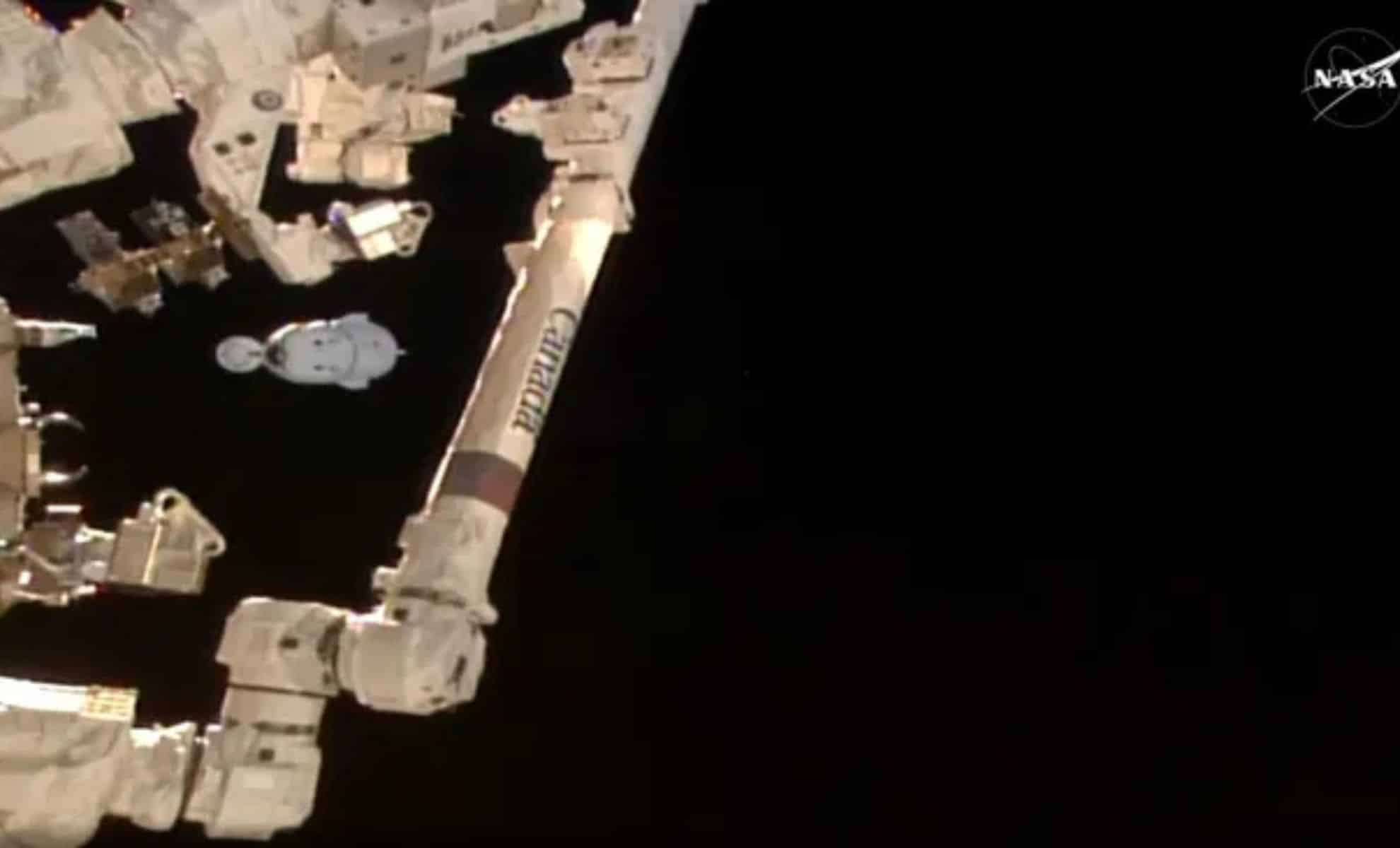
The four astronauts of SpaceX’s Crew-8 mission have departed the International Space Station (ISS) after encountering weather delays.
The Dragon Endeavour spacecraft detached from the station on October 23, 2024, at 5:05 p.m. EDT, signaling the crew’s journey back to Earth after over six months in orbit. The team is set to make a safe splashdown near Florida on October 25, wrapping up a productive extended mission.
Returning Home: Obstacles and Resolution for Crew-8’s Departure
Crew-8’s exit, initially planned for early October, was deferred several times due to severe weather caused by Hurricane Milton affecting Florida’s Atlantic coast. NASA postponed the undocking multiple times to ensure astronaut safety, as recovery areas in the Atlantic were deemed unsafe. Officials explained that the splashdown zones were compromised by “poor conditions in the splashdown area during and in the wake of Hurricane Milton,” which presented risks to retrieval operations.

Throughout the delay, crew members — NASA’s Matthew Dominick, Michael Barratt, Jeanette Epps, and Roscosmos cosmonaut Alexander Grebenkin — stayed positive. Finally undocking while the ISS passed 260 miles above the Pacific Ocean, the crew began their descent. They are expected to splash down off Florida’s coast around 3:30 a.m. EDT on October 25. NASA plans to broadcast live coverage of the landing followed by a news conference later that morning.
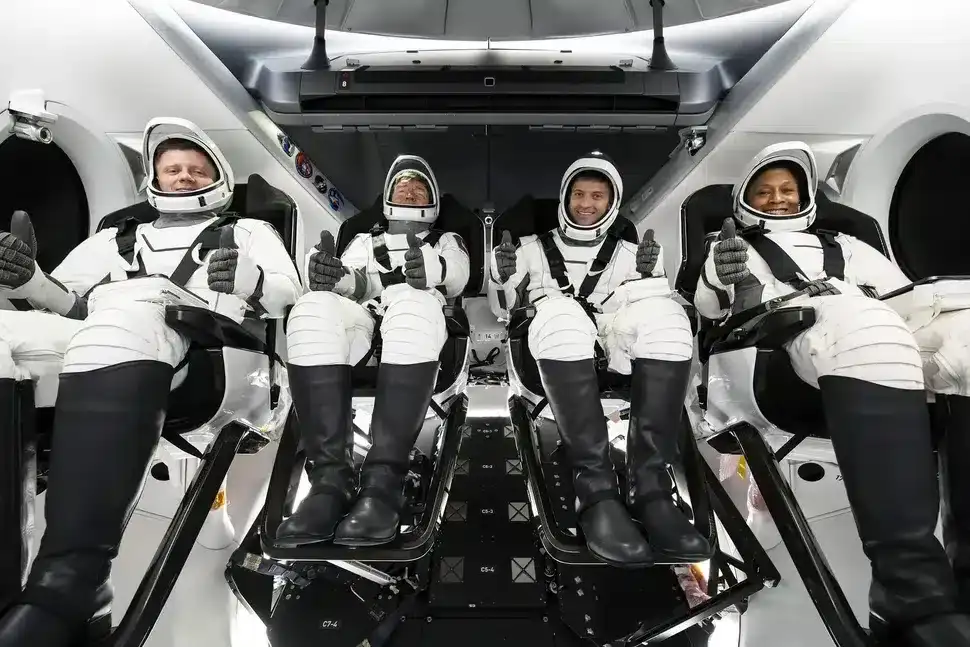
Highlights from Crew-8’s Time in Space
Launched in March 2024, the Crew-8 mission contributed significantly to NASA’s sustained human presence in low-Earth orbit. Its astronauts carried out numerous scientific investigations aboard the ISS, including research on the effects of microgravity on humans, materials science, and technology demonstrations to support deeper space exploration. Notably, NASA’s Jeanette Epps led experiments involving radio frequency identification devices, while Michael Barratt studied particle interactions in microgravity using a fluorescence microscope.
NASA commended the team for their determination and adaptability, particularly in overcoming the unscheduled return delays. Aside from research, the Crew-8 astronauts performed essential station upkeep. Commander Matthew Dominick directed several spacewalks to upgrade the ISS’s external systems during their tenure.
Future Missions and Ongoing Spaceflight Efforts
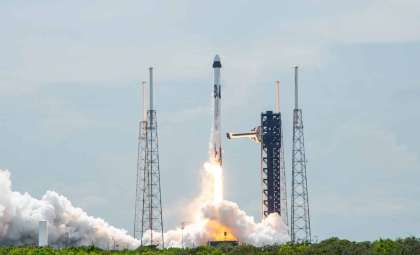
As Crew-8 concludes its mission, focus shifts to the Crew-9 team, who arrived aboard another SpaceX Crew Dragon on September 29, 2024. NASA’s continuous crew rotation program ensures uninterrupted scientific experiments and station operations. Crew-9 members, including NASA astronaut Nick Hague and Roscosmos cosmonaut Aleksandr Gorbunov, will continue similar research activities through their six-month deployment.
Meanwhile, preparations for Crew-10, slated for launch no earlier than February 25, 2025, are underway. This mission will feature astronauts such as Anne McClain and Nichole Ayers, furthering NASA’s goals for crewed spaceflight. SpaceX remains a crucial partner for transporting astronauts to the ISS as NASA advances plans for lunar and Martian exploration.
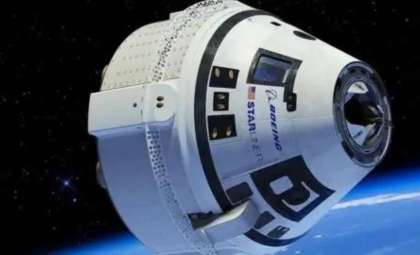
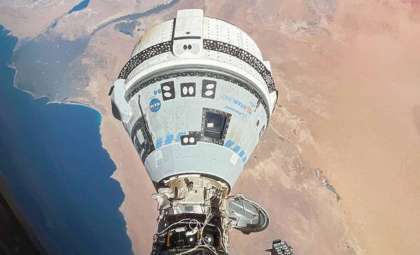
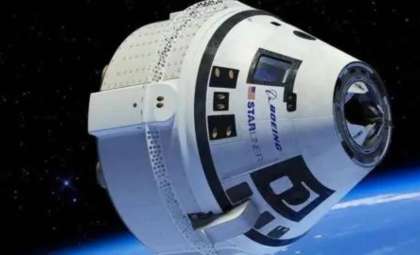
In contrast, Boeing’s Starliner spacecraft, intended for NASA crew transport, is still under scrutiny due to technical difficulties unveiled during 2024 test flights. These setbacks delayed its deployment, reinforcing SpaceX’s position as the leading commercial provider for NASA’s Commercial Crew Program.
Significance of Crew-8 and the Path Ahead for Human Spaceflight
The approaching splashdown of Crew-8 celebrates the critical partnership between NASA and private aerospace firms like SpaceX, which have become essential in progressing human exploration of space. The mission’s extended timeline due to weather hurdles highlighted the crew’s and ground teams’ flexibility and resilience. As commander Matthew Dominick remarked, “Spaceflight is complex, and we always need to be prepared for the unexpected.”
The safe return of Crew-8 will mark another success for the Commercial Crew Program, reinforcing the future of sustainable human space exploration. With upcoming missions like Crew-10 and the potential eventual return of Boeing’s Starliner, NASA aims to secure continued human presence in orbit and beyond.
- Categories:
- Astronomy ,
- News ,
- Space ,
- Nasa





0 comments
Sign in to Comment