
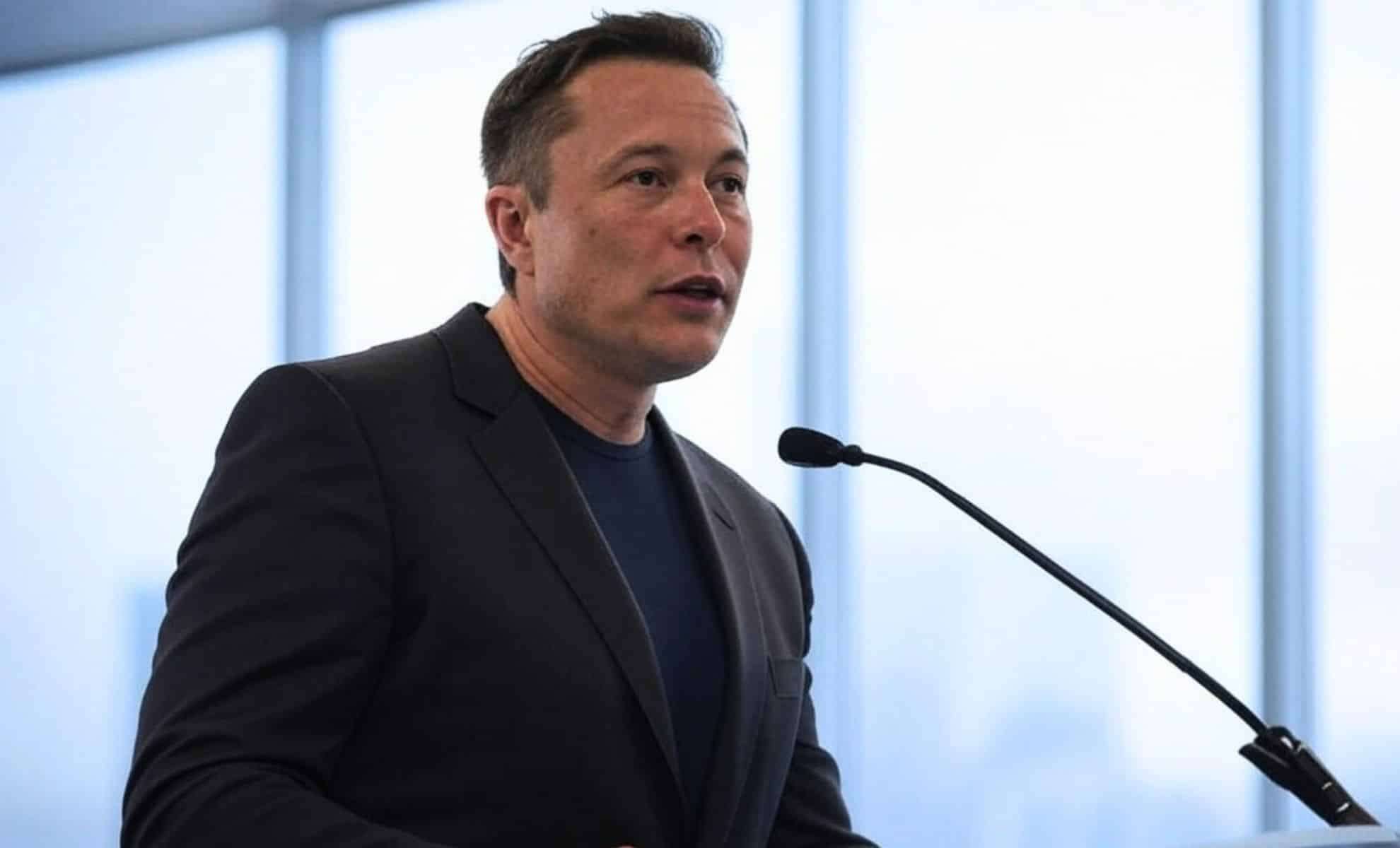
Elon Musk has once again captured worldwide attention with an ambitious proposal for a sustainable energy future. In a recent update on X (previously known as Twitter), the innovator suggested that solar power could ultimately fulfill all of humanity’s energy demands, referencing the Kardashev Scale to illustrate this visionary concept.
Revisiting the Kardashev Scale: Measuring Civilizational Energy Use
The Kardashev Scale, introduced by Russian astrophysicist Nikolai Kardashev in 1964, defines levels of civilizations based on their ability to harness energy—from planetary through stellar to galactic scales. Musk’s comments emphasize how solar energy expansion could elevate humanity’s status on this scale.
He shared a compelling example: a solar installation covering just 2.5 square kilometers could yield approximately 3 gigawatt-hours of electricity, enough to supply a large metropolitan area. Previously, Musk has mentioned that a solar array roughly 160 kilometers by 160 kilometers in regions like Nevada, Texas, or Utah could meet the entire U.S. energy consumption, highlighting the enormous promise of solar as a fundamental energy source.

Exploring the Scale and Impact of Solar Power
Musk’s figures reveal the vast potential for scaling solar energy production:
- Our planet continuously receives about 173,000 terawatts of solar irradiation, which is over 10,000 times greater than the current worldwide energy usage. Harnessing just a fraction could suffice for global energy needs.
- According to Musk’s estimates, a solar farm spanning roughly 2% of the Sahara Desert could theoretically supply power to the entire planet.
Technological progress in photovoltaic (PV) panels is accelerating, with efficiencies now reaching 20-25%. Emerging materials such as perovskites promise even higher conversion rates, potentially enabling Musk’s vision with smaller, more efficient installations.
Obstacles on the Path to Solar Energy Supremacy
Despite the optimistic outlook, switching to a world dominated by solar energy faces considerable challenges. The variable generation of solar power—dependent on weather and daylight cycles—remains a key hurdle. To balance fluctuations, robust energy storage technologies are necessary. Although strides have been made, existing solutions fall short of meeting the scale required for full reliance on solar.
Integrating solar power into current electric grids also demands major infrastructure upgrades. These advancements involve substantial funding, technological innovation, and coordination across sectors. Additionally, economic challenges arise with storing surplus energy, as low or negative electricity prices can undermine the financial incentives for large-scale storage deployment.
Global Projects Reflecting Musk’s Solar Vision
Various countries are pioneering large solar initiatives that echo ideas similar to Musk’s:
- China’s Tengger Desert Solar Park, boasting the largest solar farm globally, generates around 1.5 GW.
- India’s Bhadla Solar Park, extending over 14,000 acres, produces 2.25 GW, demonstrating solar scalability.
- Europe’s Desertec Project, which plans to harness solar energy from the Sahara Desert for European consumption, aligns with leveraging vast unused territories for power generation.
A Comprehensive Strategy for a Solar-Driven Planet
Musk recognizes that realizing a solar-powered future requires more than vast solar arrays. A holistic strategy incorporating improvements in storage capacity, grid enhancement, and supportive legislation and incentives is essential. Initiatives like SolarCity and the Tesla Solar Roof seek to address these challenges, though progress varies.
Innovations such as Tesla’s Megapack offer promising solutions for large-scale energy storage, helping stabilize renewable energy networks. Emerging technologies including solid-state batteries, flow batteries, and hydrogen storage also hold potential to overcome current energy storage limitations.
- Categories:
- News









0 comments
Sign in to Comment