
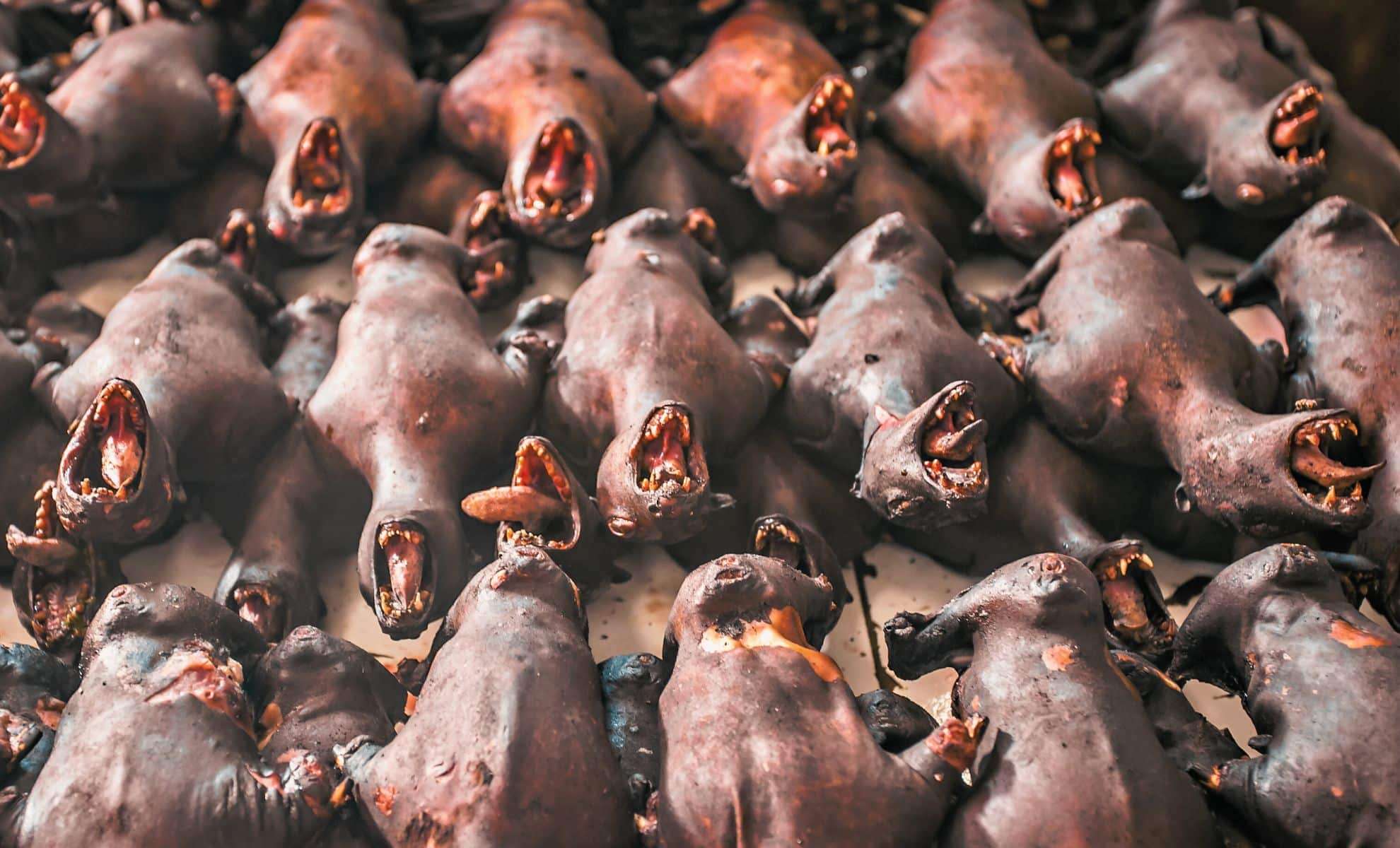
The Yunnan Province in China has recently drawn significant attention from scientists due to its rich biodiversity and close contact between wildlife and human communities. As exploration of this biologically vibrant region intensifies, researchers are uncovering unsettling findings, including newly detected viruses in bats that could threaten both human health and domestic animals.
Identification of Novel Viruses
International scientists conducted an investigation on kidney tissue samples from 142 bats collected in Yunnan between 2017 and 2021. Their findings, detailed in PLOS Pathogens, revealed the existence of 22 previously unknown viruses. Among these, two viruses displayed genetic characteristics closely related to henipaviruses, pathogens notorious for causing severe outbreaks such as Hendra and Nipah. These virus families are known to have caused fatalities in the past, raising concern over the new discoveries.
Designated Henipavirus 1 and Henipavirus 2, these viruses show a 52% to 57% genetic overlap with henipaviruses linked to previous human infections. Scientists are particularly worried about the chance of spillover from bats to people or farm animals. These viruses were found in the bats’ kidneys, organs involved in urine production, hinting at transmission routes through urine contamination. This could affect the environment, as well as fruits or water sources consumed by humans and animals alike.

A Critical Zone for Cross-Species Infection
Yunnan’s unique combination of abundant biodiversity and frequent interaction between animals and humans creates an ideal setting for the emergence of zoonotic illnesses—diseases that jump from animals to humans. Comparable ecosystems, such as those in Malaysia, have previously been associated with outbreaks of the dangerous Nipah virus.
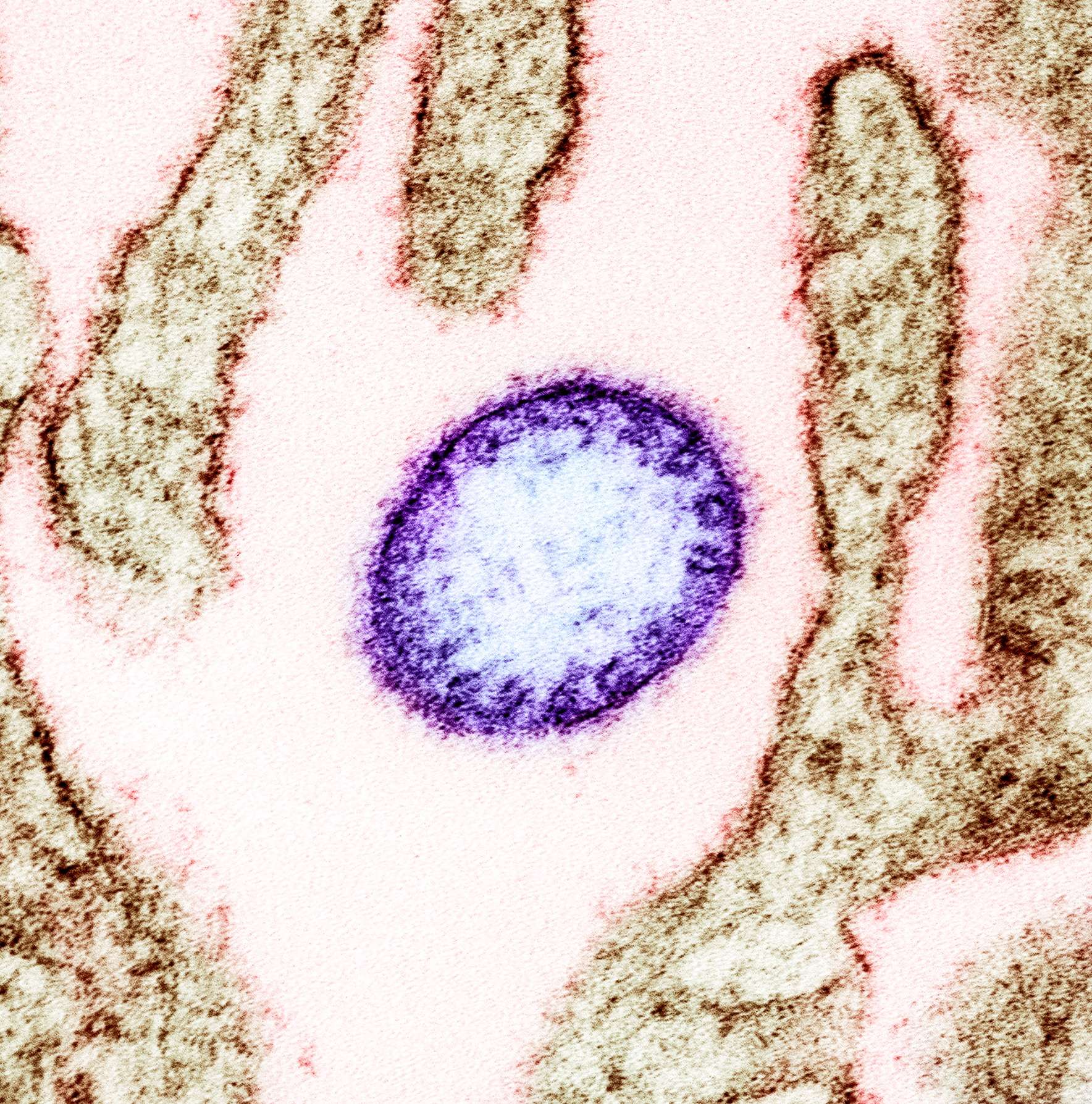
Vinod Balasubramaniam, a molecular virologist at Monash University in Australia, stresses the urgency for improved monitoring and proactive measures in hotspots like these. “These newly identified viruses are alarming because they may spread through contaminated food or water,” Balasubramaniam noted. “Maintaining strong vigilance is crucial to avert potential health emergencies.”
Revealing Hidden Microbial Dangers
Beyond viruses, the research also uncovered two novel bacterial species and an unidentified single-celled parasite. One newly described bacterium, Flavobacterium yunnanensis, may also have health implications. This finding underscores the need to broaden investigations into the full range of microbes carried by bats.
Scientists recommend focusing on internal organs like kidneys as potential reservoirs of diverse pathogens, expanding beyond previous studies that prioritized bat secretions such as saliva and feces. Such a shift in research focus is vital for understanding how bat-borne diseases might transfer to other species.
- Categories:
- News












0 comments
Sign in to Comment