
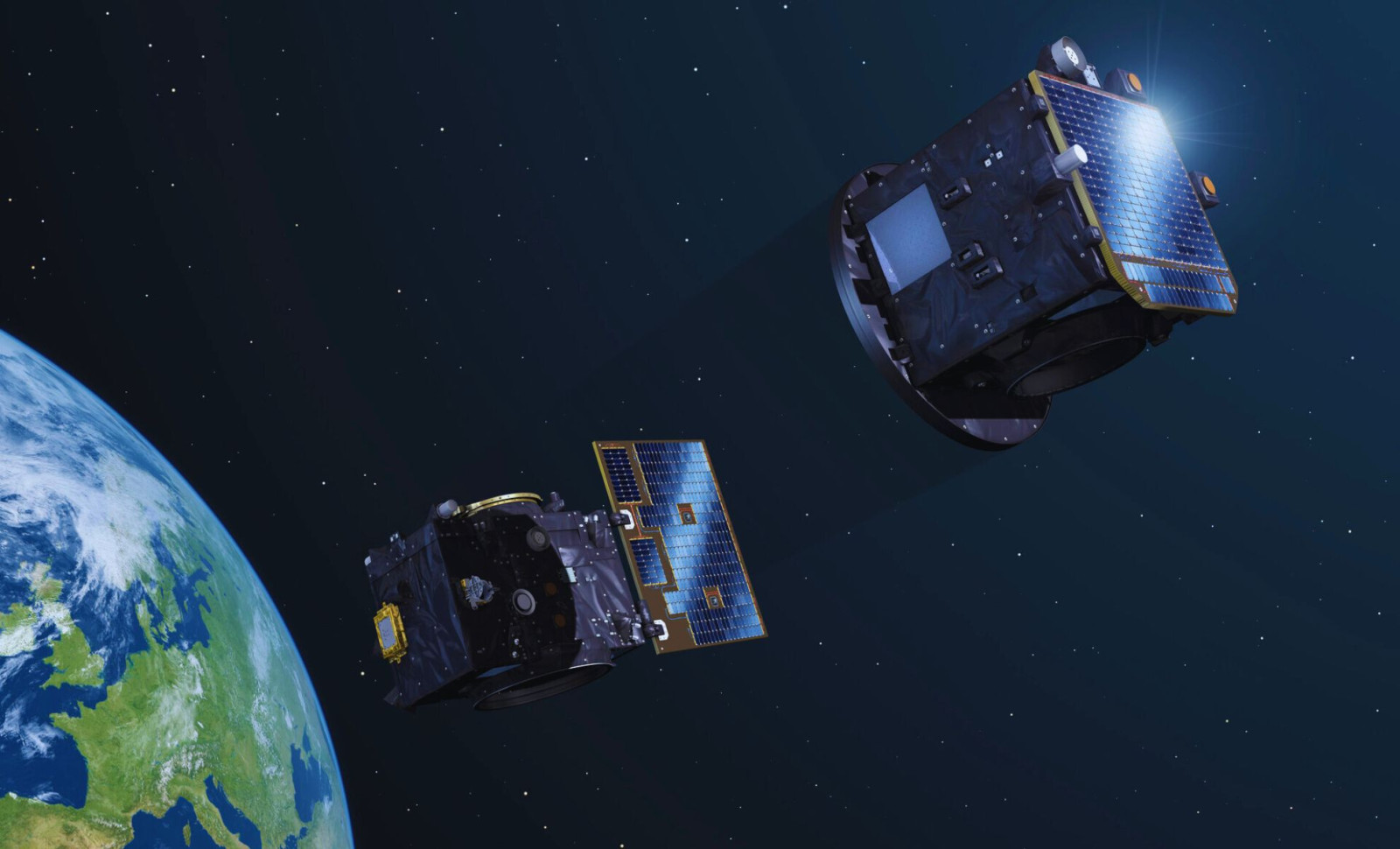
An unresponsive spacecraft floating in orbit has been successfully reconnected, revitalizing one of Europe’s most complex solar observation projects. Following nearly a month of silence, mission controllers seized a rare opportunity to regain communication. This marks a crucial step in preserving the European Space Agency (ESA)’s Proba-3 initiative.
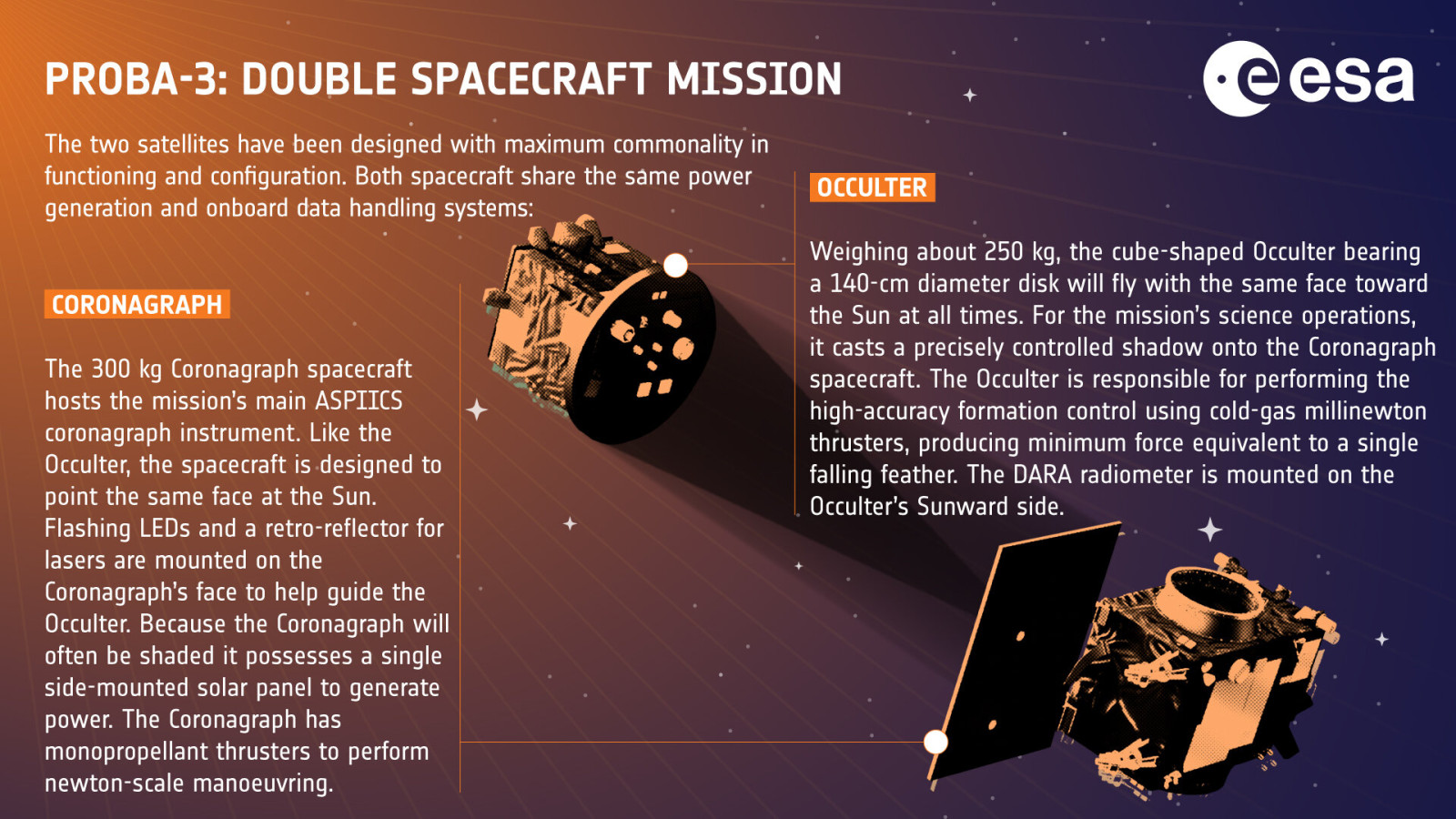
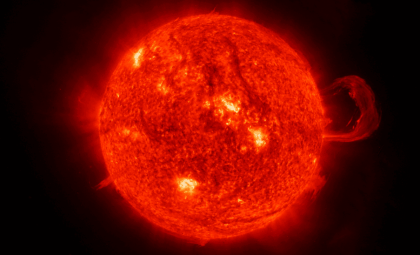
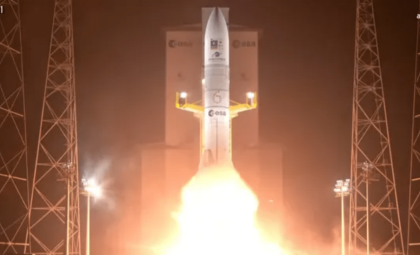
Launched in 2024, Proba-3 features two satellites maintaining an exact formation to recreate a solar eclipse at an altitude exceeding 60,000 kilometers. One craft uses a 1.4-meter disk to occlude the Sun, allowing the other to capture detailed images of the elusive solar corona, a section of the Sun’s atmosphere that remains challenging to observe directly.
Sequence of Events Caused Signal Loss
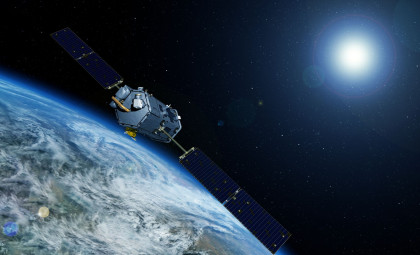
According to an ESA announcement, the troubles began February 14 when the spacecraft equipped with the coronagraph lost its proper orientation following a series of malfunctions. Its solar panels were no longer facing the Sun, cutting off its energy supply.

With depleted energy reserves, the craft entered a low-power survival state, effectively ceasing communication. It drifted unpowered and spinning for weeks. This loss of alignment triggered the blackout sequence.
Brief Exposure to Sunlight Enables Connection Recovery
Engineers detected a critical moment when the tumbling spacecraft briefly angled its solar panels toward the Sun. This fleeting exposure provided sufficient power for a reconnection attempt.
The team based in Spain reacted promptly, successfully re-establishing contact. ESA Director Josef Aschbacher remarked they “observed that some sunlight was reaching the solar panels.” Afterwards, Proba-3 regained a more stable position in orbit.
“The spacecraft’s solar panel is facing the sun, powering the essential electronics on board, and charging the battery with the remaining power,” stated ESA officials, as quoted by Space.com. “After a month of floating in space and exposed to extreme cold, onboard systems need time to warm up before any major actions are taken.”
Evaluation of Spacecraft to Guide Upcoming Steps
The second satellite, responsible for blocking solar light, stayed operational and maintained tracking of its partner throughout the disruption. This ensured partial mission continuity.
Now, engineers are focused on assessing the health of the reconnected spacecraft. Subsystems and instruments will be gradually reactivated to check for any damage. Proba-3 mission Manager Damien Galano expressed in an ESA press release dated March 19 that restoring contact is a “major relief,” underscoring the coronagraph’s vital role in the mission.
The ultimate goal remains the same: to explore the extensive and still poorly understood solar corona, a vast area spanning millions of kilometers.
- Categories:
- Space






0 comments
Sign in to Comment