
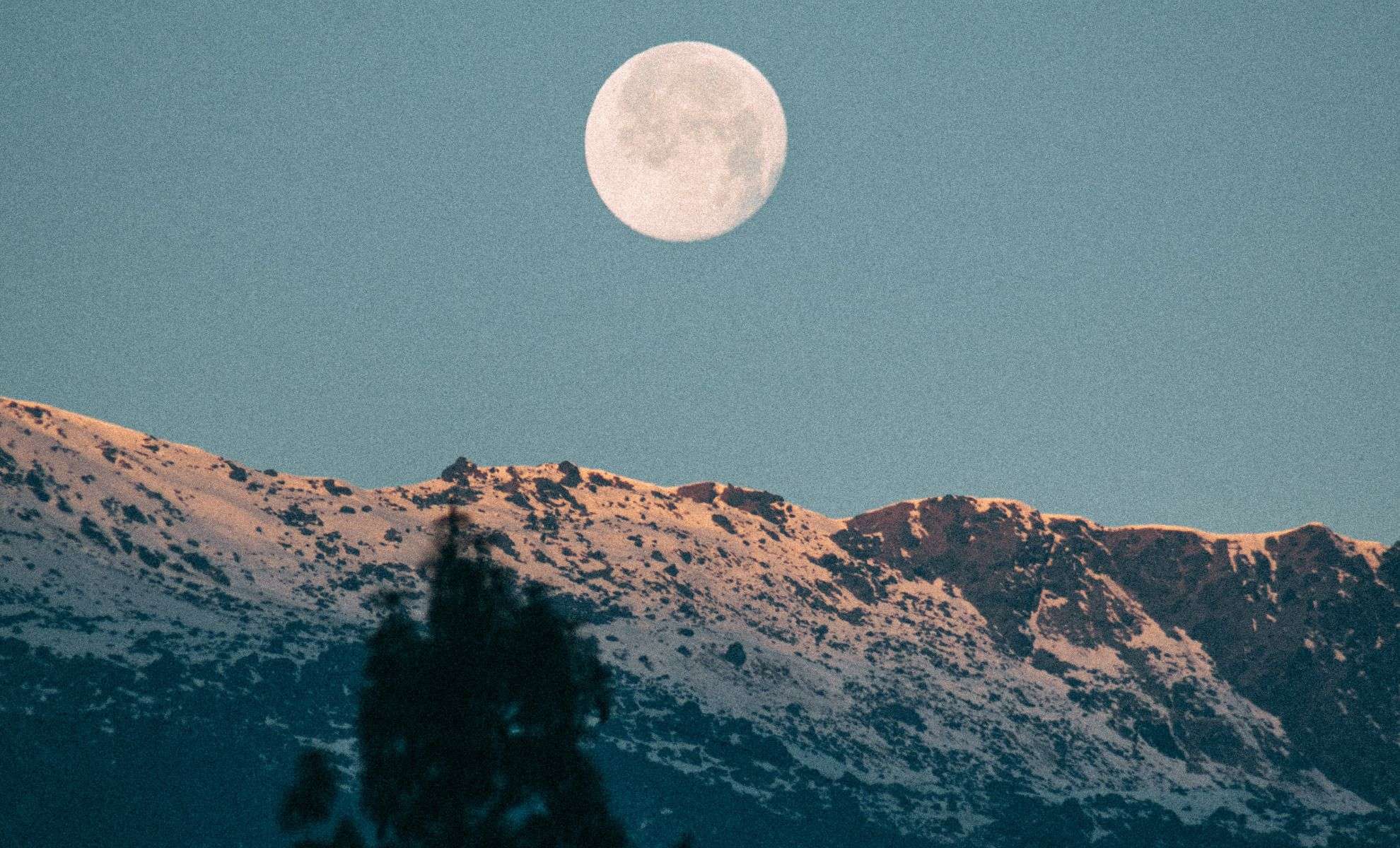
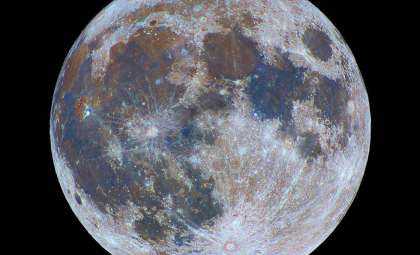
As 2024 draws to a close, astronomy enthusiasts worldwide are gearing up for the year's final full moon, famously called the Cold Moon. This yearly lunar event is a standout on the celestial calendar, yet this December brings an added thrill: Jupiter will be visible nearby, offering a spectacular pairing in the night sky. The close approach of these two heavenly bodies will create a captivating sight for observers, symbolizing both an end and a beginning as the year ends and winter settles in.
Rich in seasonal and cultural significance, the December Cold Moon perfectly aligns with the longest, chilliest nights, embodying the spirit of the winter solstice. Beyond its natural beauty, the 2024 Cold Moon promises a unique show by pairing the glowing lunar disk with the dazzling giant planet Jupiter.
A Striking Astronomical Phenomenon
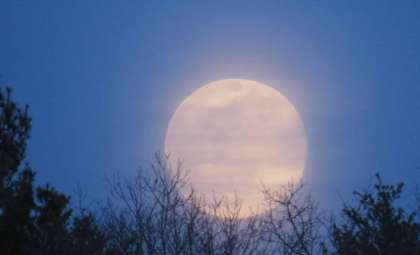
The Cold Moon will reach its fullest phase at 4:01 a.m. EST on December 15, though it will grace the night sky throughout the evening of December 14 and early morning hours afterward. Rising in the east, the moon will cast a gentle silver light over the landscape. Soon after, Jupiter will come into view close to the moon, enhancing the scene with its brilliant glow. The luminous contrast between Jupiter’s substantial radiance and the moon’s cooler tones makes for a mesmerizing display, one that’s an uncommon treat for stargazers everywhere.

This full moon feels like a cosmic finale to the year’s lunar activity, given its timing at December's end. Whether you’re a dedicated astronomer or an occasional viewer, this converging spectacle of the bright moon and giant planet highlights the vastness and wonder of our cosmic neighborhood, inviting contemplation as 2024 concludes.
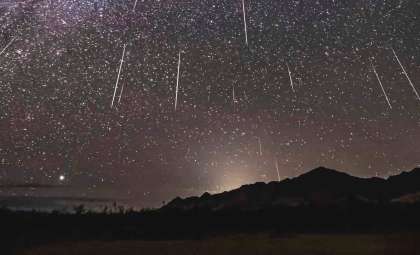
Adding to this energetic night, December’s full moon coincides with the height of the Geminid meteor shower, well-known as one of the year’s most impressive meteor displays. Although the moon’s brightness might dim some of the fainter meteors, the Geminids frequently produce vibrant, striking trails that remain visible despite the light, offering meteor lovers ample opportunity to observe.
The Cold Moon’s Cultural and Seasonal Importance
The Cold Moon derives its name from the frigid, extended nights typical of December. This full moon is significant in various cultures as the last lunar event of the year, marking both an end and anticipation of seasonal renewal. Approaching the winter solstice, it evokes themes of winter’s endurance and beauty, serving as a quiet moment for reflection on cycles past and those yet to come.
Traditionally, the Cold Moon signals the arrival of winter’s deepest phase, when darkness prevails and daylight wanes. With the solstice shortly following, the moon's timing heightens its symbolic resonance. For many populations, this lunar event represents more than astronomy; it carries traditions about closure and rest before spring’s awakening.
Among Native American beliefs, the Cold Moon was linked to expectations of snow and preparations for the cold months ahead. This period was for gathering resources, seeking shelter, and contemplating the passing year’s journey. It also reminded communities that the dark winter would inevitably transition back to light and growth with the new year.
Contemporary sky enthusiasts can appreciate the Cold Moon as a bridge between past cultural heritage and present astronomical wonder. It encourages us to pause, honor natural rhythms, and marvel at the night sky’s timeless beauty. The Cold Moon creates an intimate cosmic connection, highlighting our place within the universe’s grand expanse.
What Makes This Full Moon Stand Out
The 2024 Cold Moon has distinct qualities that elevate its importance. As the year's final full moon, it naturally carries symbolism tied to endings and celebration. Unique this year is the presence of Jupiter nearby, whose brightness and size will enhance the visual grandeur. This proximity of two prominent night sky objects is truly an extraordinary event accessible to observers worldwide.
The timing also aligns with the peak of the Geminid meteor shower, hailed as the best meteor shower annually due to its frequent, bright meteors. Even though the Cold Moon’s radiance may soften visibility of some meteors, viewers are still likely to spot brilliant shooting stars, enriching the viewing experience and making it an exciting night under the stars.
December 2024: Important Celestial Dates
For sky enthusiasts planning their December observations, below is a summary of must-see astronomical happenings in 2024:
- Categories:
- Astronomy ,
- News ,
- Nasa






0 comments
Sign in to Comment