
Throughout Central and Eastern Europe, remnants of early modern history frequently emerge from beneath fields, forests, and farmland, often by chance. However, finding such artefacts with intact historical context is rare. A recent discovery in northern Poland has shifted from being an obscure rural find to capturing the interest of historians, restorers, and museum professionals.
A cache of silver coins dating back to the 17th century was uncovered amid routine farm work in the quiet landscapes of the Warmian-Masurian region. This find has sparked renewed investigation into the influences of wealth, conflict, and migration on the daily lives of people during a turbulent era in European history. The coins were found near a village with no previously known archaeological significance or records of major settlements.
Rather than a single defining object, the collection includes numismatic evidence along with household items and structural relics, prompting experts to reevaluate the social dynamics of rural communities within the Polish–Lithuanian Commonwealth during times of upheaval. Conservation and detailed study of the hoard are ongoing, aiming to shed light on settlement and habitation practices as well as patterns of concealment in this historical period.

While researchers have established fundamental details about the hoard, several questions persist. What circumstances led to burying more than 160 silver coins here? Why was the treasure never recovered? And what can the accompanying artefacts tell us about the nature of local settlements in the latter half of the 17th century?
Silver Coins Reflecting a Commonwealth Era
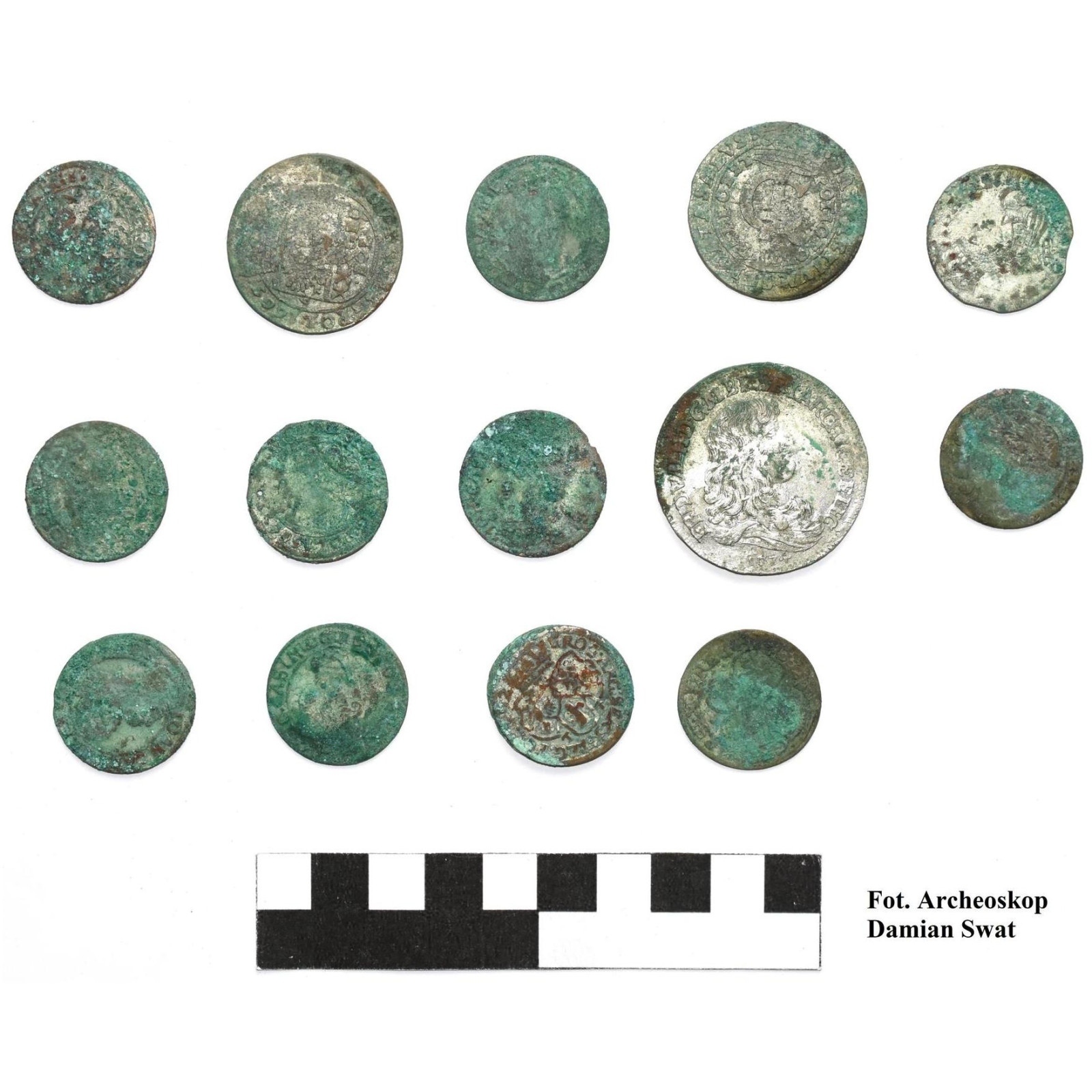
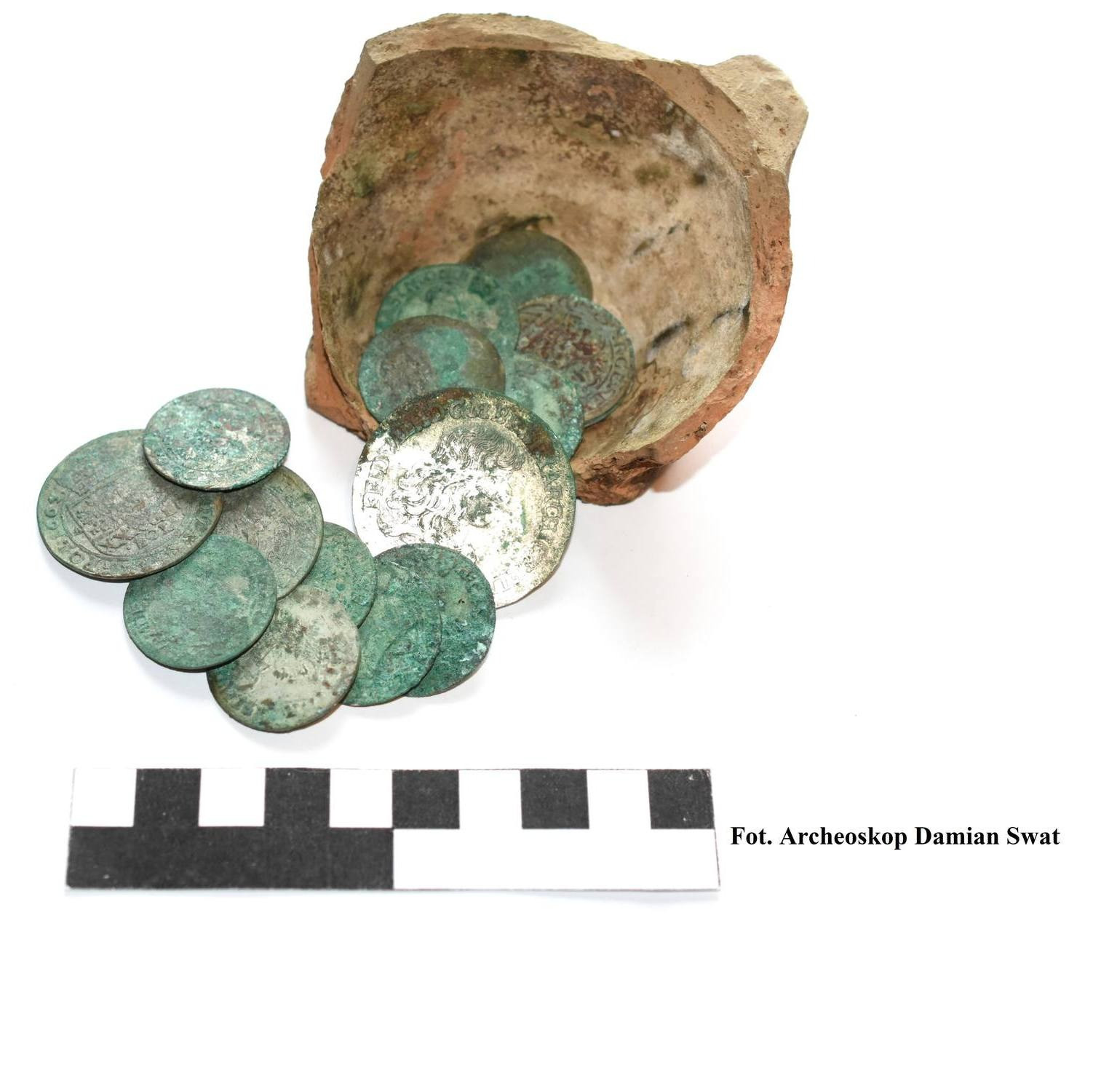
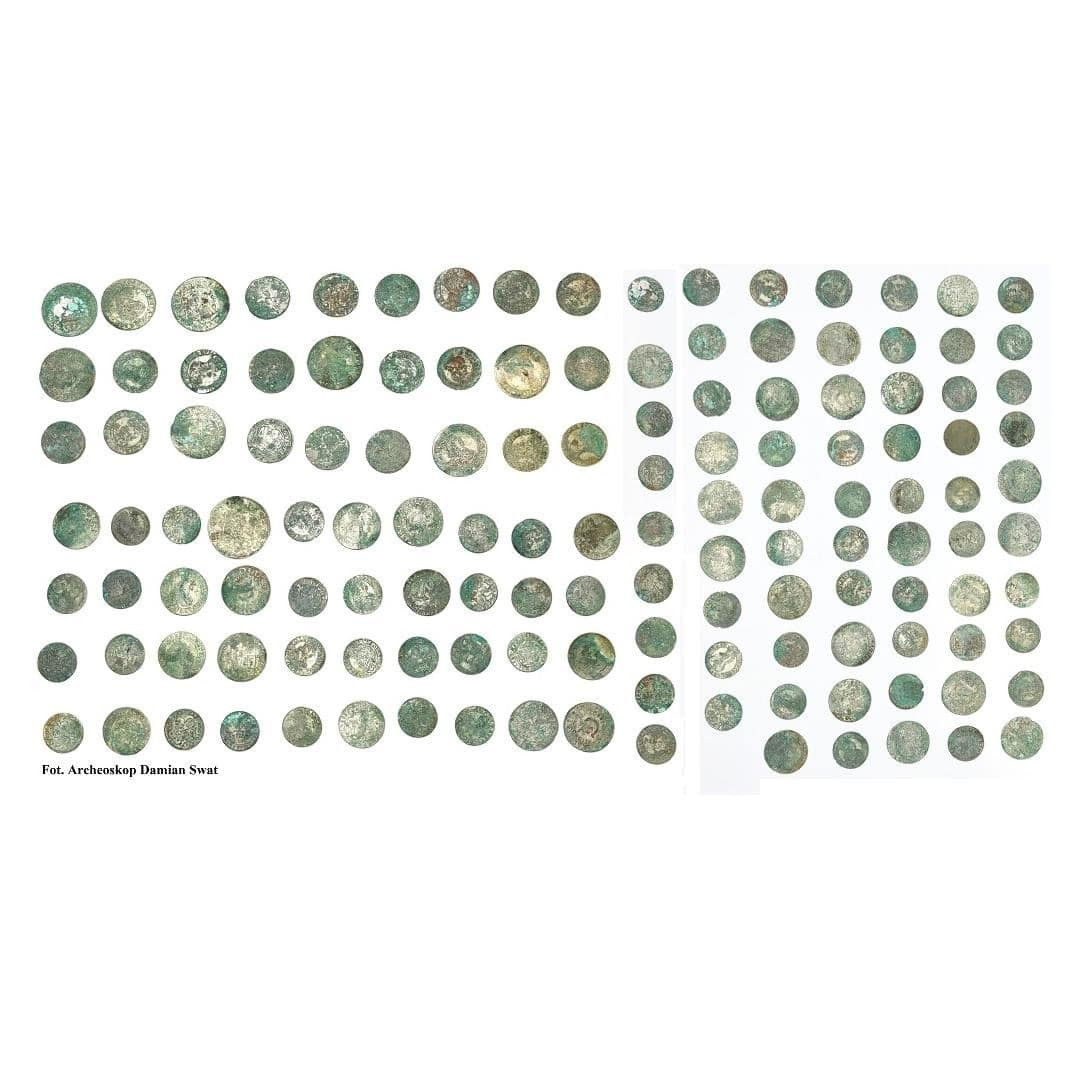
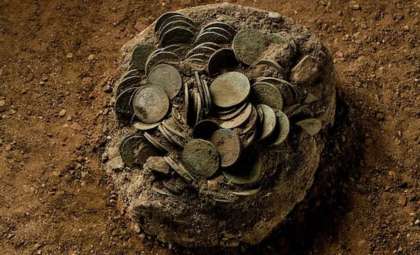
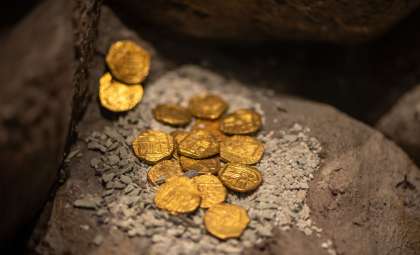
Excavation teams at Bukowiec Wielki documented 162 silver coins dated between 1660 and 1679. These include multiple denominations such as two ⅔ thalers, 20 tymfs, 27 orts, and 113 szóstaks, all commonly circulated during the reigns of John II Casimir and Michael I.
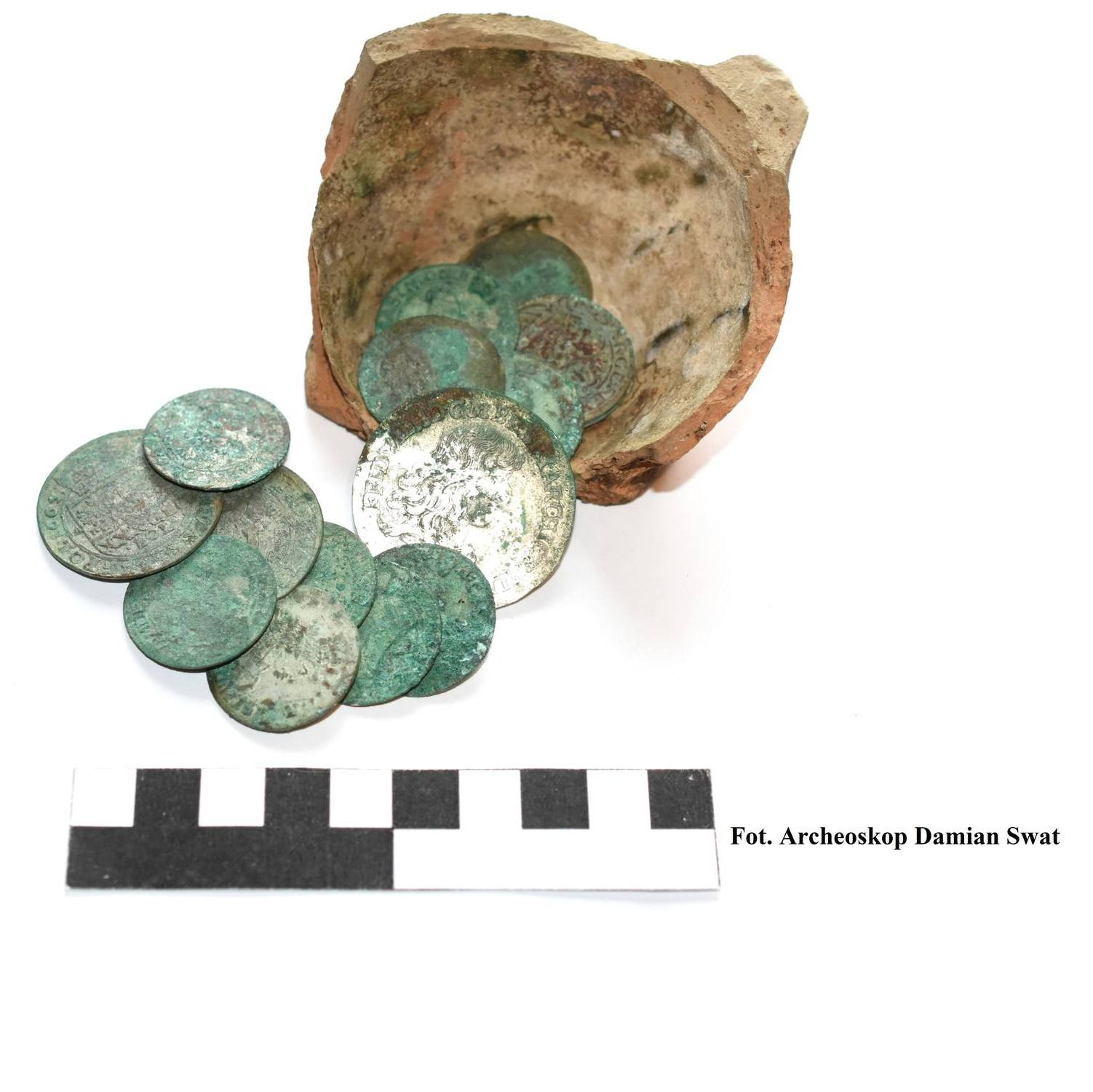
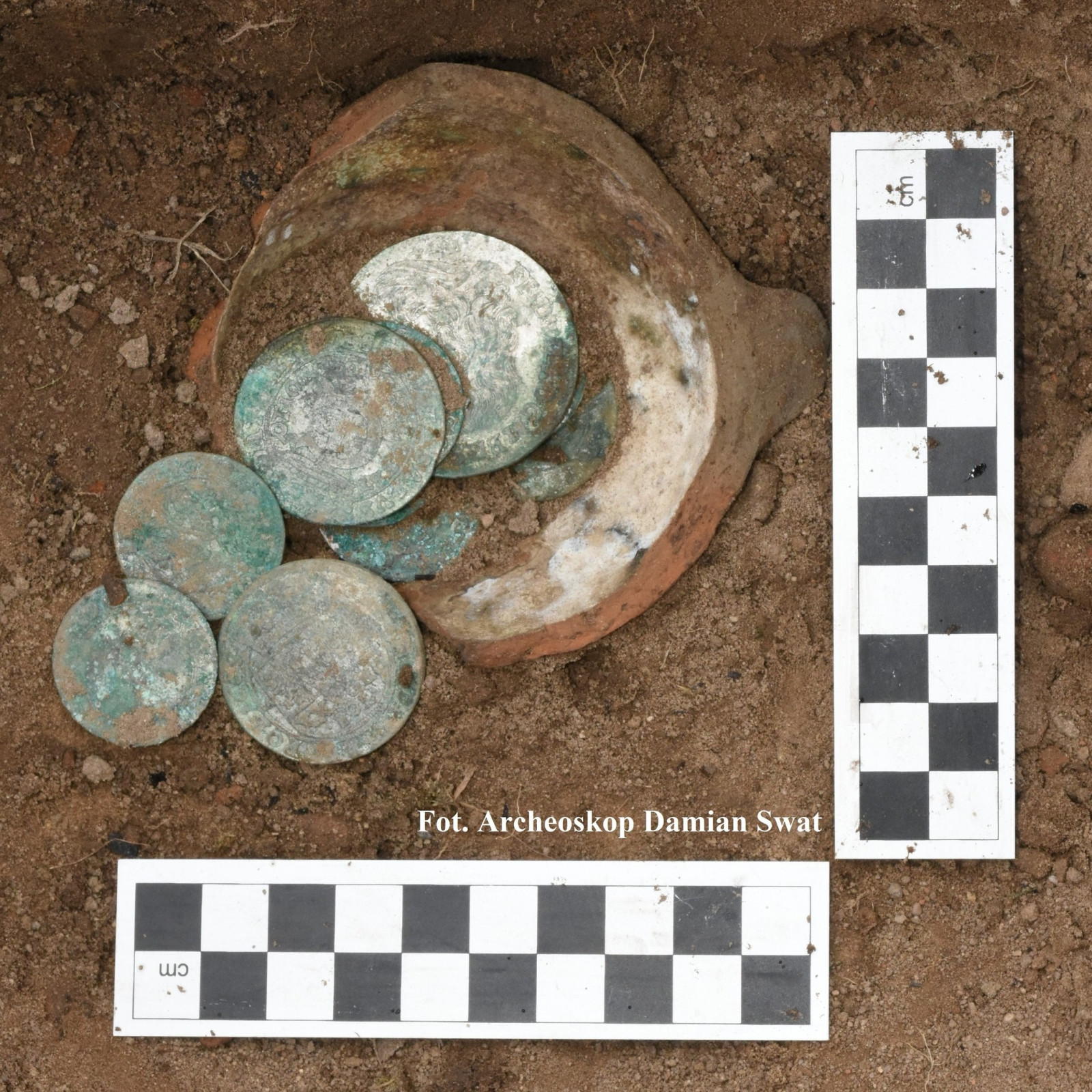
The coins were initially discovered by local farmers Romuald and Beata Jóźwiak while clearing stones from their land. Recognizing signs of corrosion and age, they reported the find to regional authorities. The news was first publicized by the German agricultural news outlet agrarheute, confirming an immediate official excavation to protect the site.
The coins, some bearing clear mint marks, were found alongside remnants of their original ceramic container. Archaeologists noted that the coins were buried at a shallow depth without evident efforts to further conceal them, implying a hurried burial possibly linked to regional instability, though no specific event has yet been identified.
Additional Finds Support a Lost Manor
Rescue excavations under the guidance of Damian Swat from Archeoskop unearthed more than just coins. Near the hoard, artefacts surfaced which point to the existence of a domestic or aristocratic residence. These included fragments of ceramic vessels, lead musket balls, metal buttons, belt buckles, rings, and a devotional medallion portraying the Virgin Mary of Częstochowa with a guardian angel.
Among the standout objects was a partial belt clasp exhibiting design traits similar to those discovered in Perleberg (modern-day Brandenburg) and near Hradčany Castle in Prague. Specialists note such material parallels are uncommon in rural Polish sites from this period.
Structural remains resembling a stone manor or folwark—a noble agricultural estate—were also identified during excavation. The setting and context suggest the coin cache belonged to the estate's occupants rather than transient visitors. Although no official records confirm a folwark at this precise location, archival research is underway to explore potential historical ties.
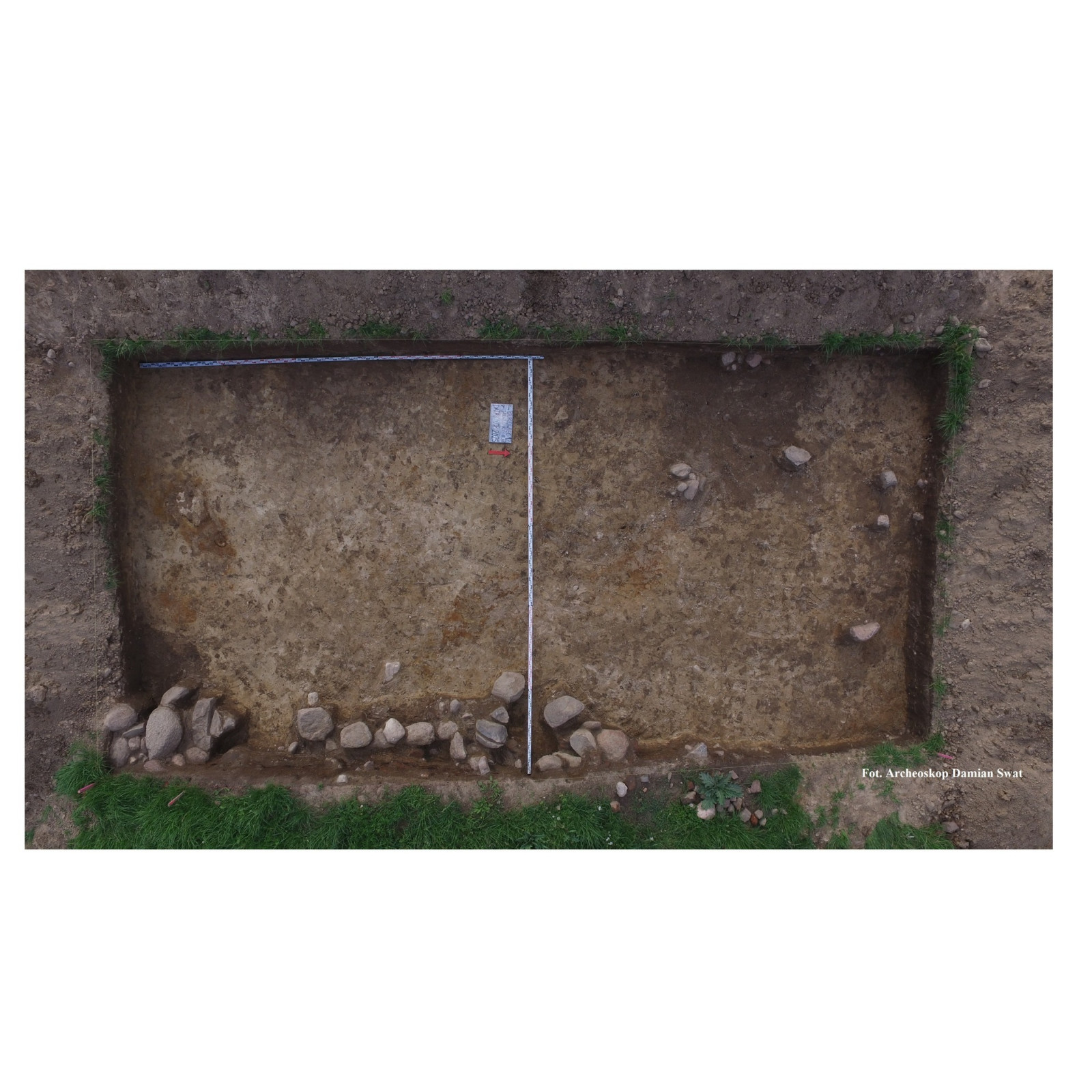
The archaeological project benefited from collaboration with local historical groups like Stowarzyszenie Historyczno-Eksploracyjne Nibork and Grupa Rekonstrukcji Historycznej “Allenstein”, who assisted with metal detecting and artefact identification. Further details of the excavation and community involvement were published via a Facebook post from the Muzeum Pogranicza w Działdowie, which is overseeing conservation efforts for the collection.
Museum Acquisition and Exhibition Scheduled for 2026
All items recovered have been handed over to the Muzeum Pogranicza w Działdowie, which has announced plans to feature the hoard in a new permanent coin exhibition set to open in early 2026. Museum director Patryk Kozłowski shared that a specially designed display case will showcase the coins alongside selected associated artefacts. This announcement was made via the museum’s official social media accounts, highlighting the team and volunteer contributions.
A statement dated October 20, 2025, confirmed the find’s authenticity and outlined initiatives to enhance public access, including digital cataloguing. Conservation work is ongoing, with the artefacts securely held within Poland’s public collections.
According to Polish heritage laws, such archaeological discoveries must be reported and transferred to the state. The Jóźwiaks received public acknowledgment for their honesty and cooperation. Compensation details remain undisclosed.
Historical Significance and Future Research Directions
The timeframe of 1660 to 1680 was characterized by economic instability, occupation by foreign forces, and internal conflicts within the Polish–Lithuanian Commonwealth. Coin hoards from this era often reflect rural elites or households safeguarding valuables during periods of threat, especially amidst incursions or territorial disputes.
Similar discoveries have been linked to regions affected by Swedish invasions in the 1650s or raids by Cossack and Tatar groups. Although the Bukowiec Wielki hoard is not connected to a particular event, its nature aligns with stones-concealing treasures in defense rather than trade or religious rites.
Numismatists emphasize the hoard’s importance for understanding post-war currency circulation. The variety of silver denominations and absence of foreign coinage point to a locally controlled reserve likely intended for long-term safekeeping rather than immediate spending.
Further studies will analyze metal composition, mint origins, and patterns of regional distribution. Researchers are also inspecting associated artefacts for correlations with documented estate inventories and architectural plans from the period.
- Categories:
- News




0 comments
Sign in to Comment