
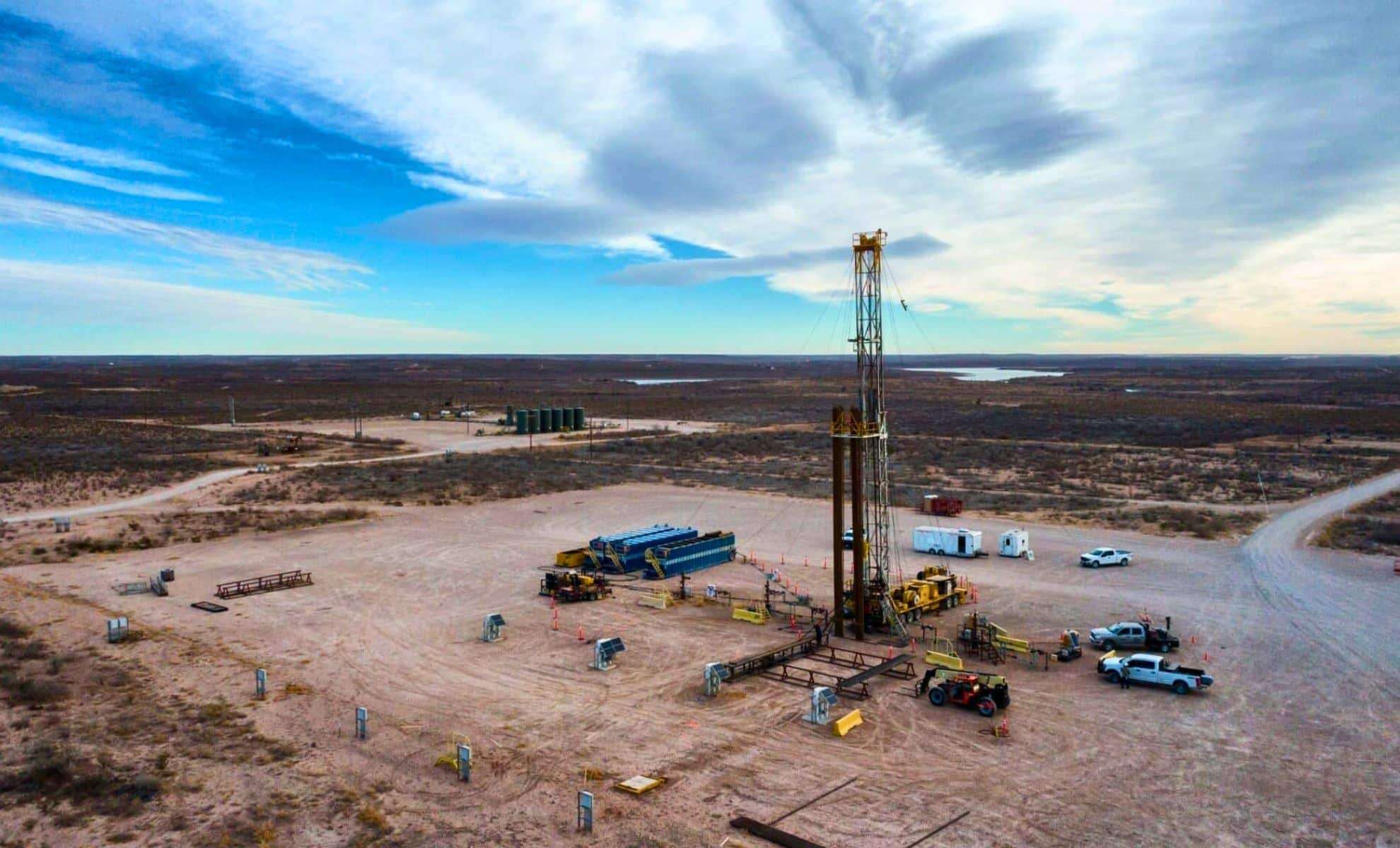
A groundbreaking discovery in the field of clean energy has emerged from France. Beneath the surface of Folschviller in the Moselle area, researchers have identified an enormous reserve of 46 million tons of natural hydrogen, a resource with the potential to dramatically transform the future of energy.
An Unexpected Find with Immense Impact
The revelation, discovered by scientists at the GeoRessources laboratory and CNRS, came as a surprise. Originally exploring for methane, the team instead uncovered a vast cache of natural hydrogen located 1,250 meters underground.
To gauge its significance, this volume exceeds half of the globe’s yearly output of gray hydrogen—without producing any associated carbon emissions.

This type of white hydrogen differs markedly from both green and gray hydrogen. It requires no energy-intensive manufacturing nor does it emit CO₂, existing naturally beneath the Earth’s crust and waiting for sustainable extraction. Proper utilization of this resource could redefine global energy production and consumption.
White Hydrogen: A Key to Unlocking Clean Energy
The hydrogen sector has faced two primary hurdles for years: the high costs and demanding processes involved in creating green hydrogen using renewable power, and the pollution connected to fossil fuel-based gray hydrogen.
White hydrogen offers a compelling solution. Already present underground, it provides a straightforward, eco-friendly, and affordable energy source. It eliminates the need for energy-heavy electrolysis and the dependency on fossil fuels.
The implications could be vast. Should analogous geological formations be located worldwide, a new era of green energy could emerge. Nations might access a clean energy resource without investing in costly hydrogen manufacturing plants.
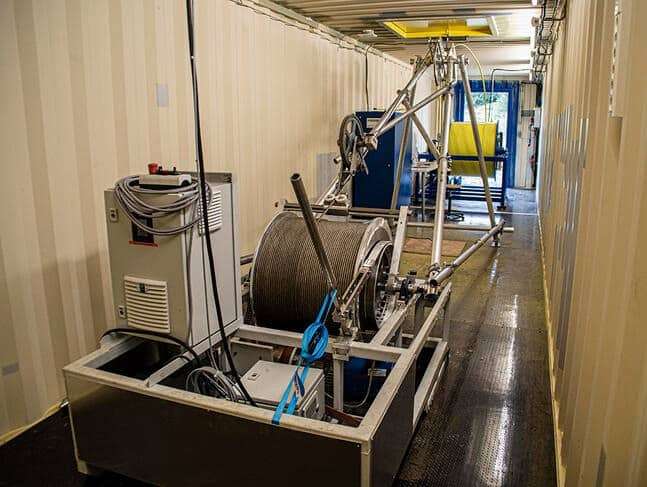
France’s Rising Role in the Hydrogen Industry
Though Lorraine might not be synonymous with cutting-edge energy, this find casts the region in a new light. Historically tied to coal and steel, it now has the chance to emerge as a hydrogen production hotspot.
The discovery could spark significant employment opportunities spanning extraction to hydrogen-based technologies, revitalizing former industrial sites into dynamic energy centers.
Nationally, France stands to bolster Europe’s energy sovereignty by reducing fossil fuel imports. Rapid action could position the country at the forefront of the white hydrogen market, driving exports and expertise in this swiftly evolving field.
While other nations continue to depend on costly hydrogen generation techniques, France’s natural reserves give it a potential competitive edge.
Will the World Unearth Similar Deposits?
This landmark discovery prompts a vital question: how many other hidden natural hydrogen sources exist globally? The Lorraine find suggests untapped reserves might be widespread across Europe and elsewhere.
Identifying these resources could ignite an international scramble to develop them, potentially reshaping energy geopolitics and hastening the shift away from fossil fuels.
Countries that neglect exploration of their underground hydrogen might face strategic disadvantages as white hydrogen gains global prominence.
Advancing Science in the Hydrogen Era
Beyond economic and environmental promise, this breakthrough marks a significant scientific milestone. The GeoRessources team alongside CNRS experts are studying methods for the safe extraction and storage of this native hydrogen.
Ensuring these reservoirs are tapped sustainably—without rapid depletion—is critical for long-term success.
Ongoing research aims to locate similar geologic formations worldwide. If this vast white hydrogen reserve exists in Lorraine, it’s plausible that comparable deposits may also lie hidden in Europe, Asia, and North America.










0 comments
Sign in to Comment