
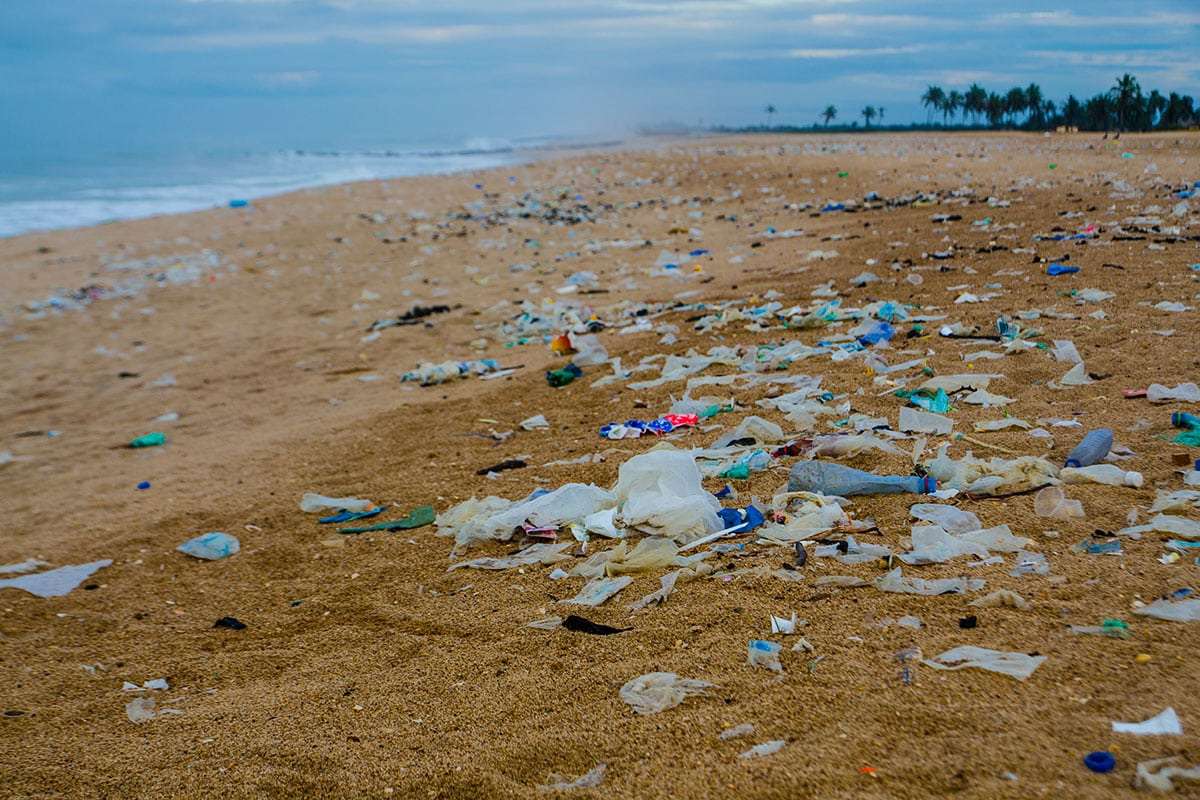
Once celebrated for their natural beauty, French coastlines are increasingly threatened by a hidden form of pollution. Beyond the typical litter problem, tiny plastic pellets known as plastic nurdles have emerged as a significant environmental hazard. These minute plastic beads are silently damaging marine habitats along the shores.
Manufactured as the foundational material for making plastic products, plastic nurdles are vulnerable to accidental releases throughout their production and distribution. Their microscopic size allows them to easily escape into waterways, eventually accumulating on beaches and ocean floors.
The consequences of this contamination are serious. Marine creatures often mistake these pellets for food, leading to ingestion that harms their health. Combined with the increased stress from rising ocean noise due to climate change, plastic pollution further threatens marine biodiversity.

Identifying France’s most heavily nurdle-polluted shoreline
A nationwide monitoring effort has pinpointed the beach with the highest density of plastic nurdles across France. After surveying 23 coastal sites, the findings show that Pointe de Bonne-Anse in Charente-Maritime faces the worst plastic pellet contamination.
Though scenic and popular, this stretch of coast is now overwhelmed by industrial plastic granules measuring between 1 mm and 2.5 cm. These pollutants pose severe threats to wildlife and disrupt the natural balance of the area. The once-unspoiled sands here now embody the pervasive plastic pollution crisis.
The scale of contamination can be seen in this breakdown:
The wider impact of plastic pellet pollution
Though Pointe de Bonne-Anse is the focal point of this issue, plastic nurdle pollution extends well beyond one location. Across Europe, an estimated 41,000 tons of plastic pellets escape into the environment annually, equating to over 11 billion plastic bottles.
The detrimental effects include:
- Consumption by marine species leading to malnutrition and increased mortality
- Breakdown into microplastics that contaminate the entire marine food web
- Damage to beach ecosystems and natural habitats
- Potential health risks to humans through tainted seafood
In tackling this complex problem, researchers are investigating innovative approaches. Some are exploring ways to capture carbon dioxide from the atmosphere, which might also be applicable to reducing plastic pollution.
Actions underway to counter nurdle contamination
Recognizing the urgency, French regulatory bodies have enforced measures since January 2022 requiring production facilities to prevent plastic pellet leakage. Despite these steps, ongoing pollution at Pointe de Bonne-Anse highlights the need for more robust interventions.
Experts recommend a comprehensive strategy that includes:
- Enhanced regulations governing plastic manufacturing and transport
- Advanced containment techniques during all handling stages
- Systematic beach clean-up efforts targeting microplastics
- Educational campaigns promoting plastic reduction
- Development and adoption of biodegradable plastic alternatives
The responsibility also falls on individuals. Recent research emphasizes the vital lifestyle changes needed to protect our planet, underscoring personal contributions to environmental health.
The persistent pollution at Pointe de Bonne-Anse serves as a powerful call to action. Through coordinated policies, industrial accountability, and public engagement, there is hope to reverse the damage and preserve France’s coastal treasures.
- Categories:
- Climate change














0 comments
Sign in to Comment