

As the digital environment evolves swiftly, TikTok finds itself under threat of closure, prompting many users to explore other options. The app has been scrutinized for several months in the United States, with its continuation hanging in the balance due to national security issues raised by political authorities. Although the ban has been postponed multiple times, recent news confirms that the risk of a shutdown remains, pushing users to seek new platforms, with some already embracing a fresh alternative.
TikTok Under Ongoing Legal and Political Scrutiny
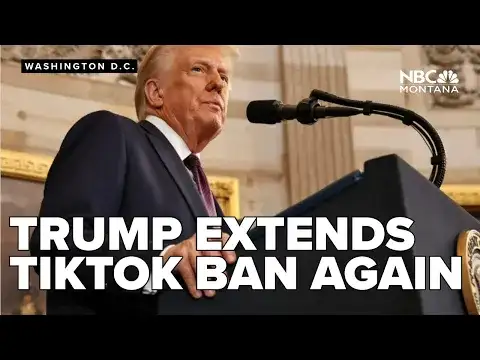
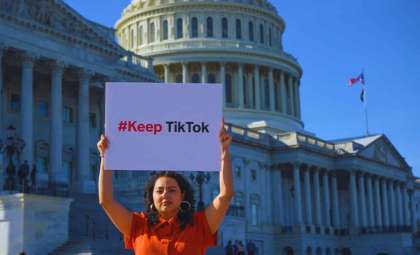
The future of TikTok is still uncertain. The Trump administration initially set a deadline of January 19, 2025, for ByteDance to transfer ownership of the app to an American company or face a ban. Yet this date has been extended repeatedly. Most recently, President Trump granted a further 90-day extension, permitting the app to continue its operations temporarily.
This announcement was made last Thursday, with White House press secretary Karoline Leavitt emphasizing that efforts will persist to finalize a deal enabling Americans to use TikTok with confidence their data is protected, according to The Wall Street Journal.

Worries over TikTok’s potential to collect sensitive personal data from millions of U.S. users and its connections to the Chinese government have intensified over time. Despite U.S. demands, ByteDance has resisted handing over control of American user data, fueling ongoing debates about whether TikTok should face a ban.
Generation Z’s Swift Shift
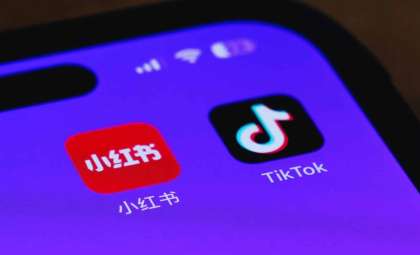
With TikTok’s status unclear, Generation Z, the primary user base that fueled TikTok’s explosive growth, has started moving toward a new app called Xiaohongshu, or RedNote. This Chinese social media service combines features of Instagram and Pinterest, making it attractive to influencers worried a TikTok ban could jeopardize their online careers.
Within just 48 hours, Xiaohongshu gained 700,000 new users, mostly TikTok content creators eager to maintain their followings. However, Xiaohongshu is designed primarily for Chinese speakers, posing linguistic challenges for many American users.
Moreover, the app adheres to China’s censorship regulations, raising concerns about content restrictions as Xiaohongshu attempts to expand internationally.
Potential Hurdles for Xiaohongshu in the U.S.
The rapid rise of Xiaohongshu has not escaped regulatory attention. U.S. officials are wary of the links between Chinese technology companies and the government, especially regarding data protection and national security. Should Xiaohongshu grow further in the U.S., it might face increased scrutiny from lawmakers already alert to the influence of Chinese-owned social networks.
While Xiaohongshu’s growth is impressive, it remains uncertain whether it can avoid the regulatory challenges that have dogged TikTok. National security concerns might soon spotlight Xiaohongshu, raising the question: can this new platform sidestep the obstacles facing its predecessor?










0 comments
Sign in to Comment