
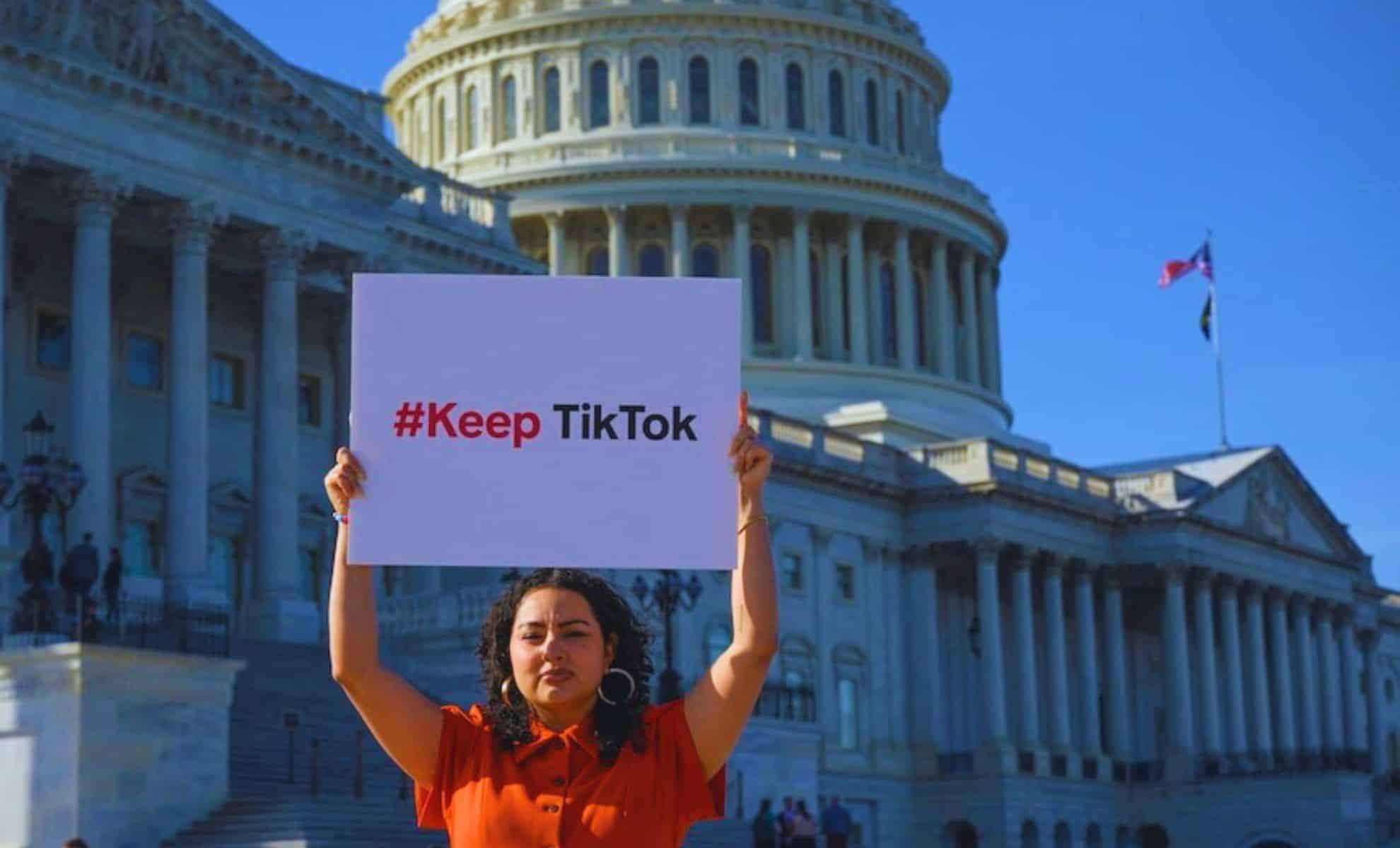
TikTok, a dominant social media platform boasting over 170 million American users, faces an imminent prohibition after a federal court dismissed its recent appeal. This verdict endorses a law enacted by President Joe Biden in April 2024, compelling TikTok’s Chinese owner, ByteDance, to divest its U.S. operations by January 19, 2024, or encounter a full prohibition within the United States.
The unanimous court decision emphasized that this forced sale is vital for national security, highlighting fears that TikTok could provide the Chinese government with access to private user information and serve as a tool for propaganda. U.S. Attorney General Merrick Garland welcomed the judgement, affirming the Justice Department’s dedication to securing Americans’ private data from foreign authoritarian influences.
ByteDance and Chinese officials reject these claims, labeling them as unfounded and politically driven.

Donald Trump’s Uncertain Influence
In an unexpected development, Donald Trump, the incoming president scheduled to assume office on January 20, 2024, might influence TikTok’s trajectory. During his presidency, Trump attempted to ban the app on comparable grounds, but a judicial blockade citing free speech protections prevented his efforts.
This time around, Trump has opposed the ban, suggesting that it would mainly advantage TikTok’s American rival, Meta, overseen by Mark Zuckerberg. Trump accuses Meta of silencing conservative viewpoints, framing his criticism within his broader opposition to major tech corporations.
Notably, Trump launched a TikTok account in June 2024, quickly gathering 14.6 million followers, though he has ceased posting since the election. Still, analysts like Jasmine Enberg from Emarketer warn that Trump’s backing may be temporary: “Even if he intervenes to save TikTok, it doesn’t ensure the platform won’t face future challenges under his administration.”
Economic and Marketing Ramifications
A ban on TikTok would profoundly alter the American digital landscape and economy, given the platform’s centrality for content creators, entrepreneurs, and advertisers.
Key Economic Effects:
- E-commerce Expansion: In 2024, TikTok generated $100 million in sales during Black Friday, emphasizing its rising role in digital retail.
- Advertising Income: Forecasts predict TikTok will earn $15.5 billion from U.S. advertising in 2025, representing 4.5% of all digital ad expenditures.
- Creator and Small Business Impact: Millions depend on TikTok’s reach for promotion and revenue.
A TikTok ban would open doors for competitors such as Meta, YouTube, and Snap, but would also diminish diversity within the social media sector.
Legal Challenges and Strategic Stakes
TikTok intends to pursue an appeal to the U.S. Supreme Court; however, legal experts are divided on its prospects. Gautam Hans, a Cornell law professor, suggests the high court is unlikely to intervene due to the unanimous lower court ruling and the tight timeline before enforcement. Conversely, Carl Tobias from the University of Richmond believes the case might draw Supreme Court attention, given its crucial implications for both security and free speech.
Wider Significance:
- Tech Competition: The lawsuit illustrates intensifying U.S.-China competition over data governance and digital leadership.
- Geopolitical Strains: It reflects heightened tensions between Washington and Beijing.
- Social Considerations: The dispute raises pressing questions about safeguarding national security while respecting First Amendment protections.
The destiny of TikTok remains in flux, shaped by intersecting legal rulings and political pressures, alongside its vital presence in America’s digital economy. The ultimate resolution may redefine the interplay between technology, international relations, and civil liberties in a deeply divided global arena.









0 comments
Sign in to Comment