
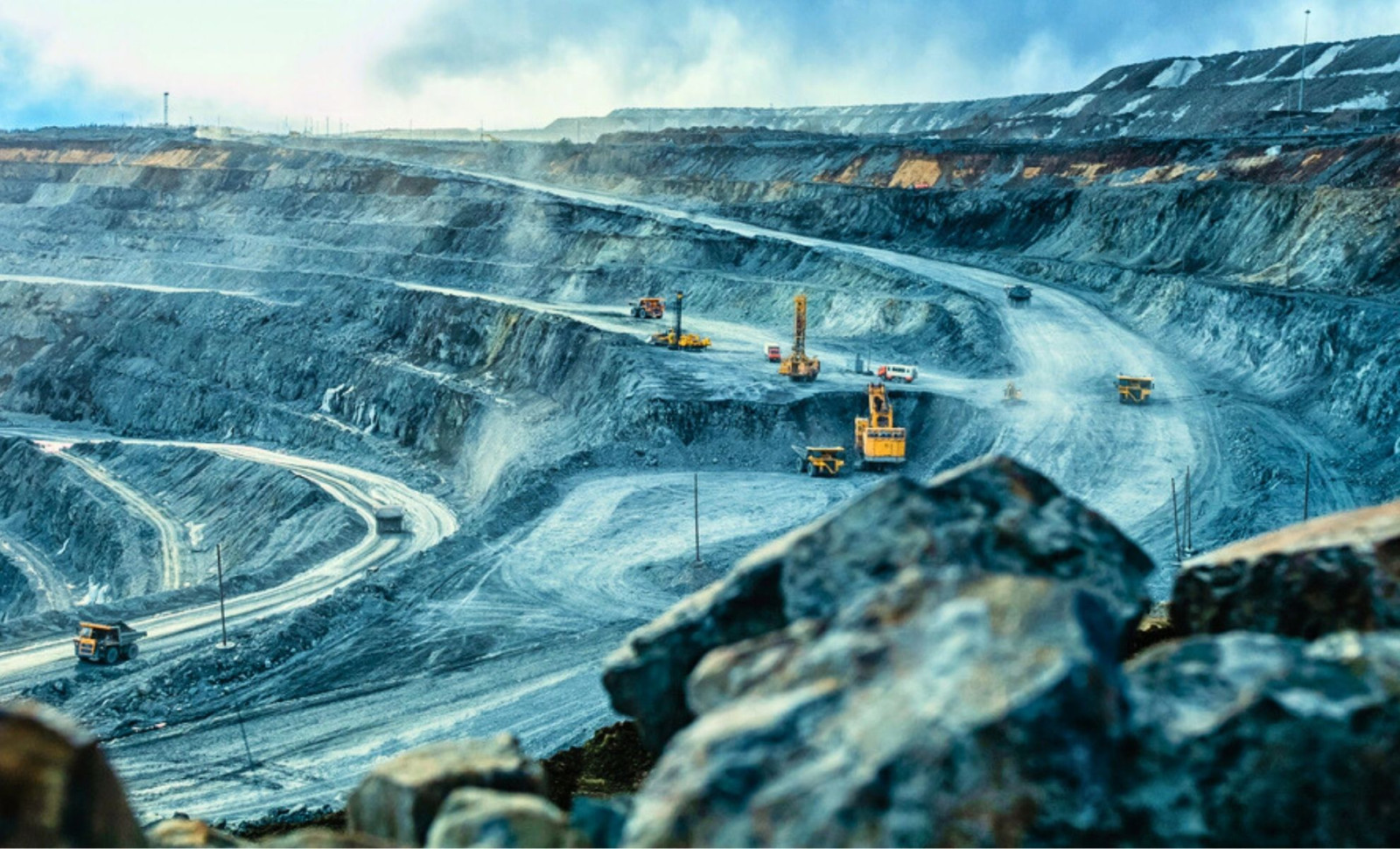
In northern Saxony-Anhalt, a region historically dominated by gas extraction, a new opportunity has emerged. Beneath the surface lies brine rich in lithium, a key mineral driving the global shift toward clean energy.
As Europe intensifies efforts to secure essential materials for electric vehicle batteries, reliance on foreign suppliers like China and South America is being reevaluated. Recently released data from the Altmark basin indicates the presence of significantly larger lithium reserves than previously estimated. These findings, validated by independent experts, could reshape Europe's resource landscape.
Quantities Verified and Extraction Techniques
Neptune Energy, the company managing the Altmark initiative, announced an independent review by Sproule ERCE under the CIM/NI 43-101 classification. Their assessment reports an estimated resource of 43 million tonnes of lithium carbonate equivalent (LCE).

This deposit ranks among the planet's most substantial single-location lithium sources. Neptune Energy possesses one production license (Jeetze-L) and three exploration permits (Milde A-L, B-L, and C-L), all situated within a former natural gas drilling area.
The pilot project completed in August successfully yielded battery-grade lithium carbonate using an ion exchange method. This approach is part of the emerging direct lithium extraction (DLE) technologies, which involve extracting lithium from deep underground brine while returning most fluids to their source.
A subsequent pilot launched in September 2025 is experimenting with an adsorption-based variant. Unlike traditional lithium mining, which often requires expansive land and water use via evaporation ponds, DLE is designed to be compact and environmentally efficient.
Geological Characteristics and Brine Composition
At the 2025 EAGE Annual Conference, researchers shared findings on the geology of Altmark. The brines are found in the Rotliegend sandstone and adjacent volcanic formations between 3,200 and 4,000 meters underground, containing an average lithium concentration of 375 milligrams per liter.
This lithium enrichment originates primarily from the thermal breakdown of mica minerals in altered volcanic rocks over millions of years, creating a consistent and previously untapped underground reservoir.
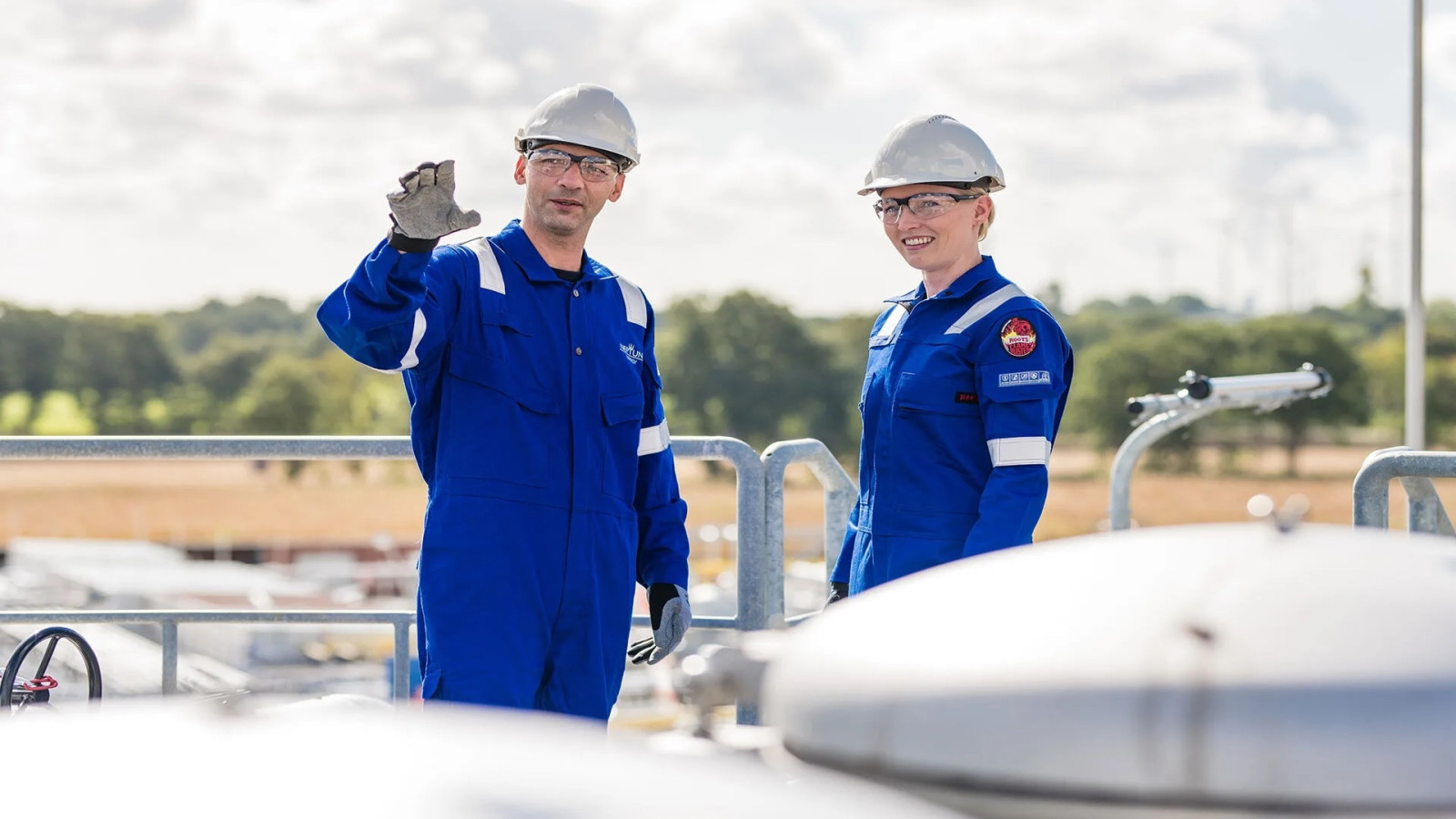
Researchers noted that only a minor fraction of lithium comes from seawater evaporation. The majority is attributed to in-situ mineral leaching, a prolonged heat-driven geological process.
The area's geothermal temperatures exceed 120°C, facilitating both lithium dissolution and potential co-production of heat to enhance economic and ecological outcomes.
Global Lithium Landscape and European Strategy
Current lithium supply primarily originates from surface brine fields located in Chile, Argentina, and Bolivia — the so-called Lithium Triangle. These sites rely on solar evaporation ponds that take over a year and demand extensive water resources.
Environmental and social challenges, including disputes between local Indigenous groups and mining operators, have raised concerns about water use and land degradation in South America, as highlighted in the Harvard International Review.
Conversely, Europe aims to develop raw materials within sustainability frameworks. The European Critical Raw Materials Act sets a goal for the EU to produce at least 10% of critical minerals like lithium domestically by 2030.
Altmark benefits from existing industrial infrastructure, reducing environmental impact. Neptune Energy frames its transition from fossil fuels to mineral extraction as part of its “Boost – New Energy” strategy.
Regulatory Challenges and Future Outlook
While commercial lithium production has not started, plans for a demonstration plant are underway. This phase will require comprehensive environmental permits and technical assessments focusing on groundwater safety, waste handling, and sustainable operations.
Though DLE technology is promising, with pilot successes in Germany, the U.S., and China, large-scale viability hinges on efficiency and consistent lithium extraction.
If successful, the Altmark site could exemplify sustainable lithium recovery within established energy zones. Industry experts continue to monitor this project closely, considering its implications for Europe's resource independence.
- Categories:
- News




0 comments
Sign in to Comment