

In a secluded corner of Vienna, scientists at the Technical University of Vienna have pioneered a groundbreaking method that could revolutionize the green energy sector. While global attention often centers on Silicon Valley or China in sustainable energy innovation, Austria is forging ahead by turning discarded batteries—an escalating environmental issue—into renewable methane, a clean and practical fuel source.
Transforming Hazardous Waste into Renewable Fuel
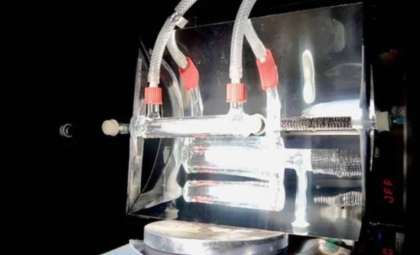
As highlighted by Gas World, this innovative approach involves extracting valuable components from spent batteries, especially nickel and alumina derived from aluminum foil. These elements are fashioned into a nanocatalyst that facilitates the conversion of carbon dioxide into methane by interacting with hydrogen. According to the development team, “This catalyst effectively transforms CO₂ into methane,” underscoring that this advancement is grounded in tangible science.
This technique repurposes what was once hazardous waste into a valuable energy resource. With millions of batteries becoming obsolete yearly, contributing to toxic waste, Austria’s solution offers a sustainable pathway to reuse and recycle these materials, changing the paradigm from waste disposal to resource regeneration.


Overcoming Battery Disposal Issues
Worldwide, the treatment of used batteries varies greatly and is fraught with challenges. Some nations conduct partial recycling, recovering metals like cobalt and nickel, yet these processes remain costly and inefficient. Many outdated batteries languish in “storage cemeteries” as viable recycling technologies are pursued. In worse cases, batteries end up in landfills or are shipped to developing countries, where improper handling releases harmful contaminants into the soil and water.
Austria’s technique offers a refreshing alternative. By extracting materials and reincorporating them into a renewable energy cycle, it simultaneously tackles waste management and the urgent need for emission reductions. This transforms a significant environmental burden into a component of sustainable fuel generation.
Advancing Clean Energy Solutions
Converting carbon dioxide into methane, this technology addresses a major greenhouse gas driving climate change. The methane created can serve as a cleaner substitute to conventional fossil fuels, potentially lessening dependence on oil, coal, and gas. The researchers describe their innovation as a method of “reduce, reuse, recycle” that closes the energy loop.
Although Silicon Valley and China maintain significant roles in green technology, Austria’s novel approach provides a unique strategy by converting existing waste into renewable energy. This shift from extraction to circular regeneration could transform battery recycling and the energy industry in the near future.











0 comments
Sign in to Comment