
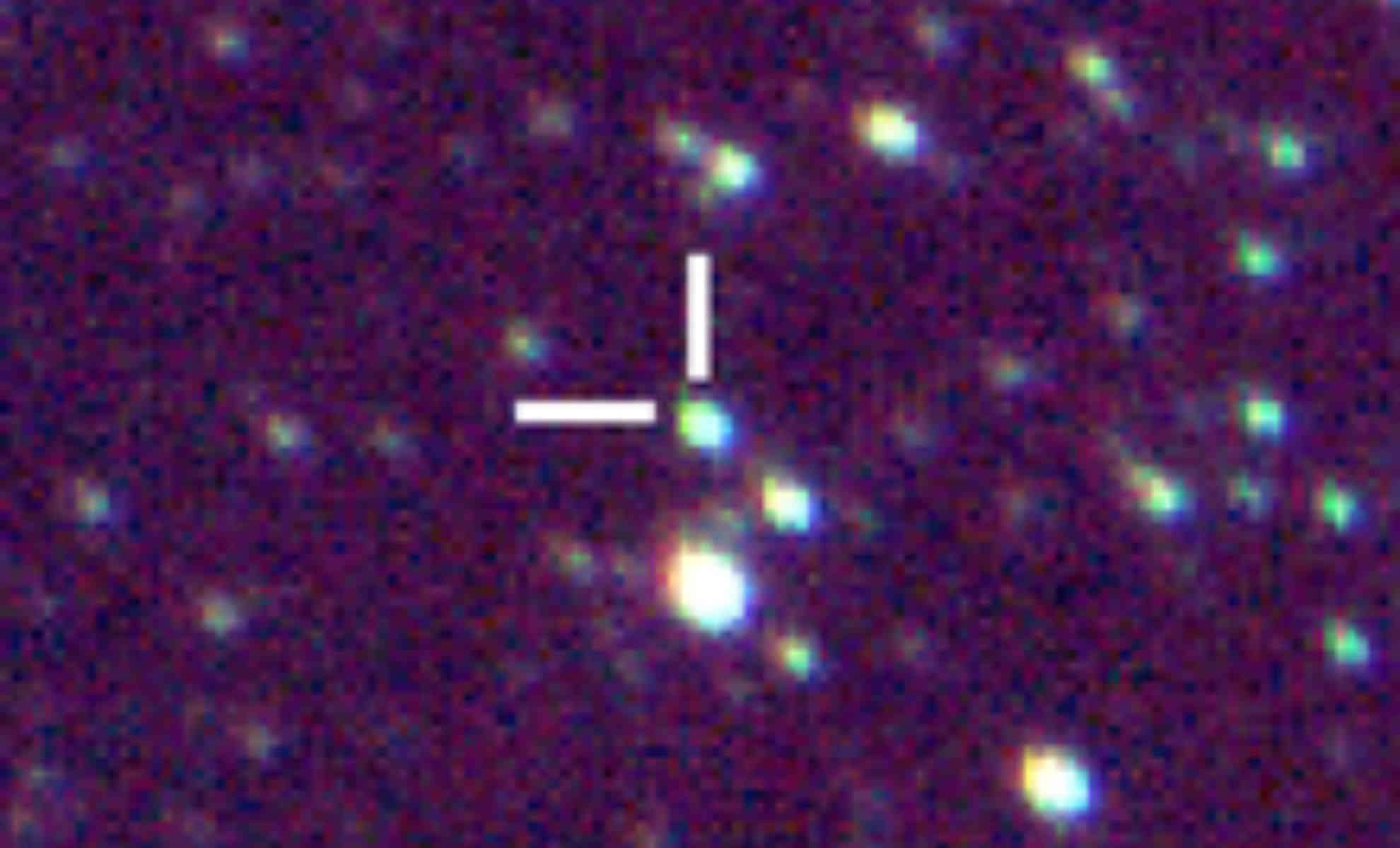
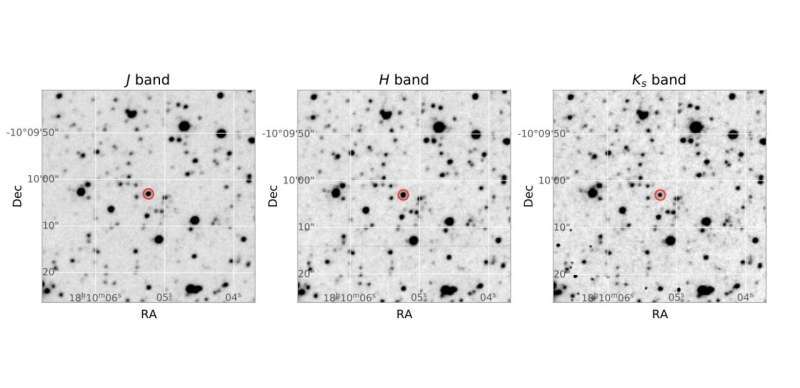
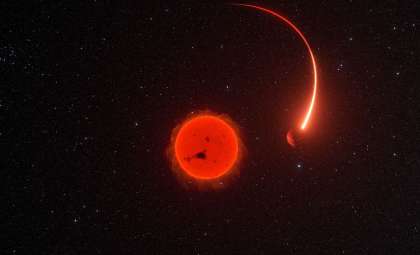
Scientists have unveiled a major finding by identifying methane in the atmosphere of WISEA J181006.18−101000.5, the closest known T dwarf to our planet, situated a mere 29 light years away. This exciting breakthrough, detailed in a study released on March 28, 2025, via arXiv, was achieved using the sophisticated Gran Telescopio Canarias (GTC).
Known as WISE1810, this metal-deficient T dwarf boasts temperatures ranging from 800 to 1,300 K. Initially presumed to be an L-type dwarf, the methane detection has cemented its classification as a T dwarf. This discovery offers essential new understanding about these enigmatic objects, which bridge the gap between planets and stars in both size and temperature.
Unveiling the Methane Signature
The research team, led by Jerry Zhang from the University of La Laguna in Spain, employed the Espectrografo Multiobjeto Infra-Rojo (EMIR) instrument on the GTC to clearly detect methane in WISE1810’s atmosphere. This observation overturns previous assumptions that grouped this object with L-type dwarfs. As methane is a hallmark molecule of T dwarfs, its presence confirms the object's true identity.

WISE1810, with a radius close to 65% that of Jupiter and a mass about 17 times greater than Jupiter, is one of the cooler and fainter members in the celestial population. The absence of carbon monoxide and potassium signatures in its atmosphere provides further clues to its distinctive chemical makeup, reinforcing its T-dwarf classification.
- Categories:
- News






0 comments
Sign in to Comment