
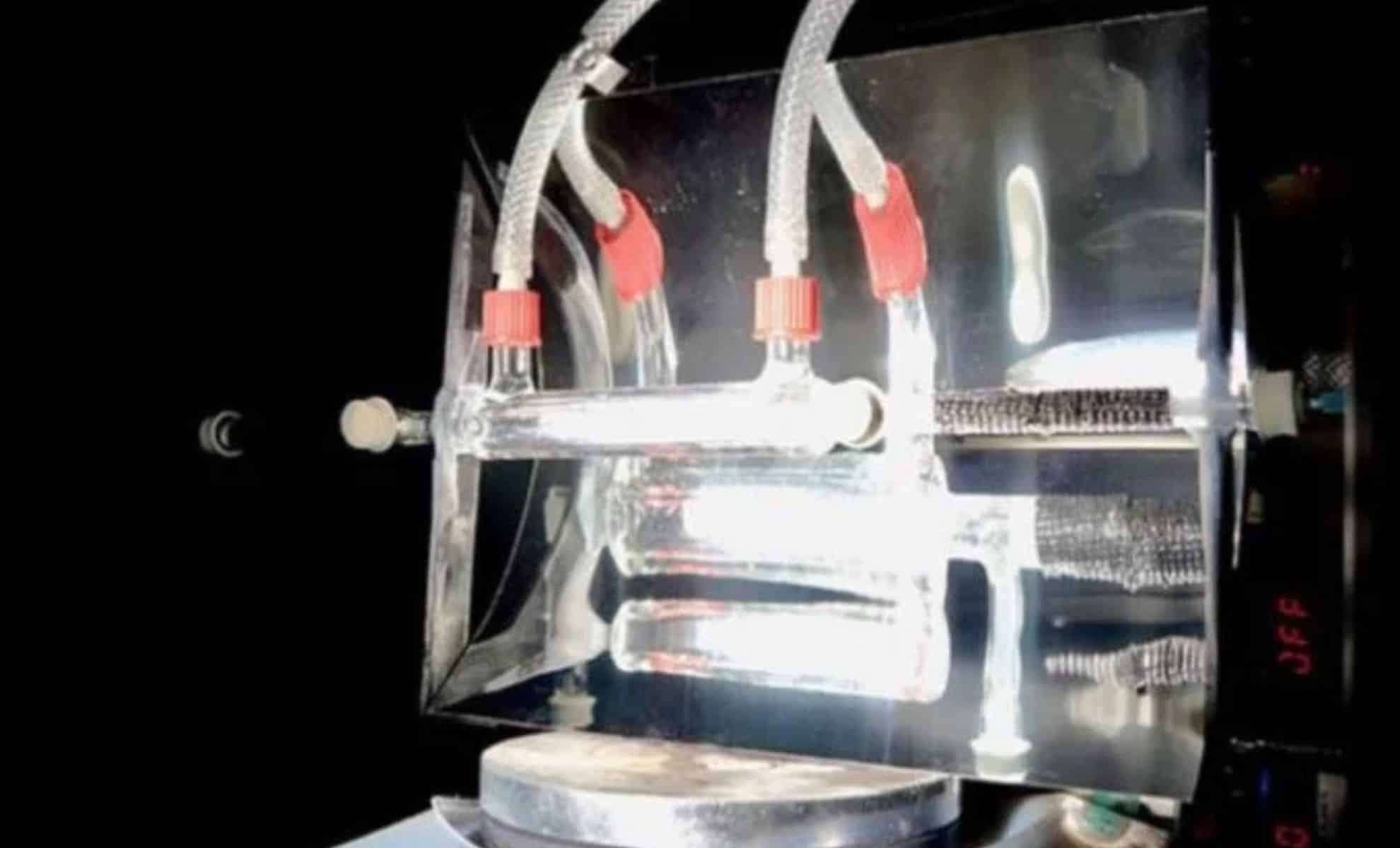
Scientists at the University of Cambridge have engineered a cutting-edge solar-powered reactor that captures carbon dioxide (CO2) from the atmosphere and converts it into a valuable gas with potential as a clean fuel source. This pioneering approach could reshape climate change mitigation by simultaneously removing CO2 and generating sustainable energy.
As the global community ramps up efforts to limit greenhouse gas emissions, conventional carbon capture and storage (CCS) techniques face criticisms for relying on fossil fuel combustion during operation, often undermining their environmental benefits. Additionally, the long-term geological storage of CO2 poses challenges related to safety and management.
Converting CO2 into Useful Compounds
The Cambridge researchers adopted an innovative perspective by asking, “Why sequester CO2 underground when it can be repurposed?” This mindset led to the development of a solar-driven reactor that converts CO2 into practical chemicals and fuels without adding to global warming. As Sayan Kar, a chemist involved in the project, notes, CO2 is both a harmful gas and an untapped resource. By turning captured CO2 into clean energy, the team offers a sustainable way to tackle carbon pollution.

The details of this revolutionary system were published in Nature Energy in February 2025. The reactor uses solar power to fuel a chemical reaction: it collects CO2 from the air overnight, then employs sunlight the following day to heat and convert the gas into synthesis gas (syngas), which consists of carbon monoxide (CO) and hydrogen (H2). This syngas serves as a foundational ingredient for producing various fuels and chemical products, such as vehicle fuels and pharmaceuticals.
Addressing Two Environmental Challenges at Once
The standout feature of this technology lies in its dual impact. It not only aids in extracting CO2 from the atmosphere, but also offers a source of clean and renewable fuel capable of replacing fossil-based alternatives. According to Erwin Reisner, the project’s lead chemist, “Scaling these devices could simultaneously lower atmospheric CO2 levels and generate sustainable fuel options.” This method promotes a closed-loop, green economy that treats CO2 as a valuable commodity rather than waste.
The research team also envisions deploying these reactors in off-grid settings, providing renewable energy access to isolated and rural communities without dependence on conventional infrastructure. Consequently, this invention not only combats climate change but also enhances energy autonomy for underserved regions.
Towards a Renewable, Circular Economy
This technology paves a pathway toward a circular, sustainable economy. “Rather than extracting and burning fossil fuels, we can capture CO2 directly from the air and reuse it,” explains Erwin Reisner. Envisioning a future where CO2 is continuously converted into eco-friendly fuels represents a significant milestone in climate action. Achieving this vision will require concerted policy support and international cooperation. Widespread application of solar reactors like this could help decarbonize energy and chemical production, fostering an environmentally responsible economy for generations to come.
- Categories:
- News












0 comments
Sign in to Comment