
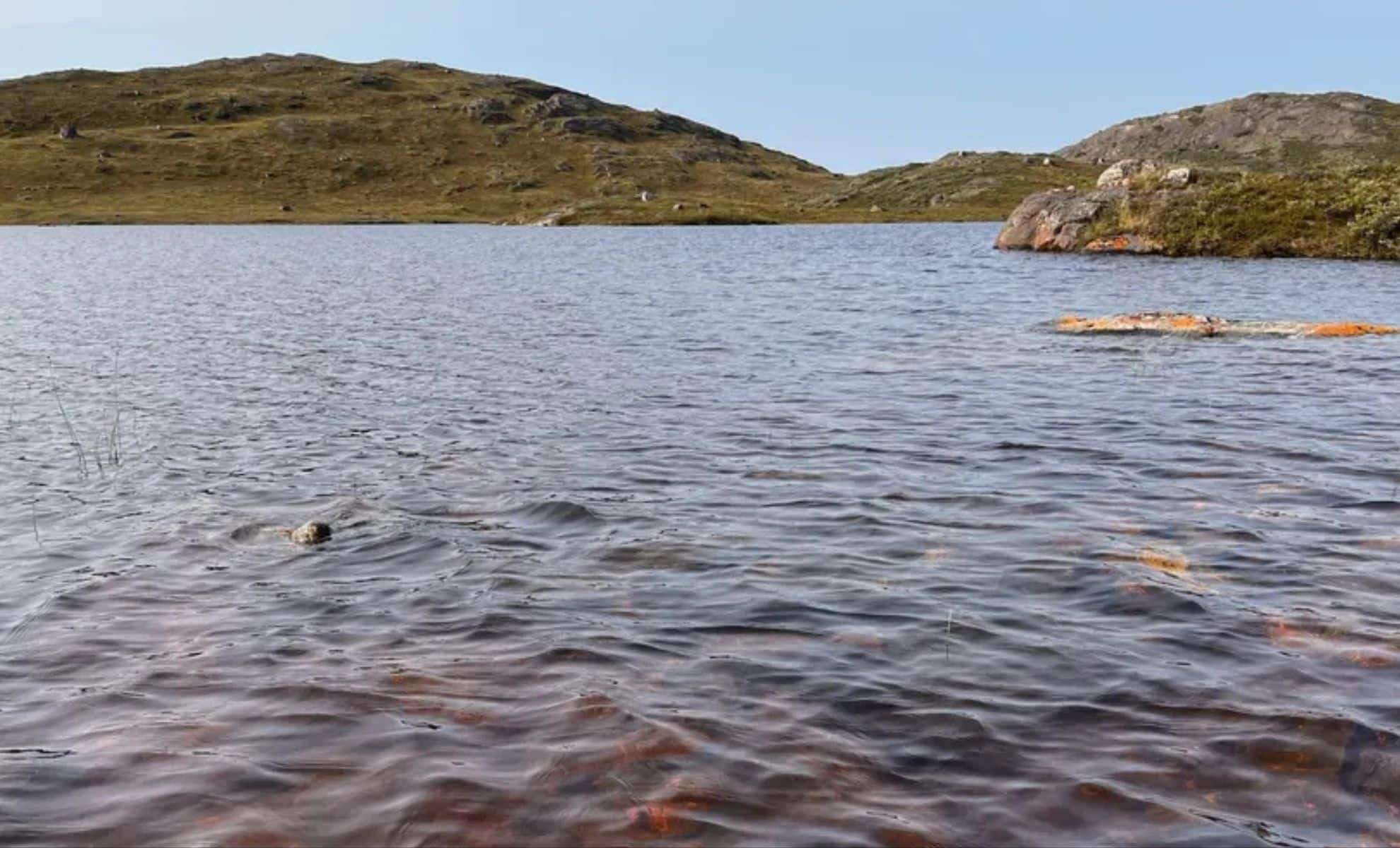
Once known for their stunning azure hues, Greenland’s lakes have undergone a startling metamorphosis. Following intense heatwaves and heavy rains in 2022, thousands of these aquatic bodies turned a murky brown, changing from carbon dioxide (CO₂) sinks to significant carbon sources. This swift alteration raises alarms about a crucial ecological turning point with major implications for the global climate system.
Scientists report that approximately 7,500 lakes across West Greenland experienced this dramatic transformation over an exceptionally brief timeframe. The region, typically blanketed with snow during autumn, instead encountered unseasonably warm temperatures and rain, intensified by atmospheric rivers driven by climate change. This chain reaction led to permafrost thawing, releasing carbon and nutrients into the lakes and fundamentally shifting their chemical composition and environmental functions.
This event highlights the vulnerability of Arctic environments, as the rapid browning and carbon emissions from these waters emphasize the fragile equilibrium of the ecosystem. The speed of this shift—compressing changes that normally span centuries—illustrates the accelerating effects of climate change at the poles.

What Caused Greenland’s Lakes to Darken?
The shift of Greenland’s freshwater bodies occurred due to extreme atmospheric events in late 2022. An unusual pattern of atmospheric circulation created direct links between subtropical regions and Greenland through atmospheric rivers—long, narrow bands carrying heat and moisture. These brought intense rainfall coupled with temperature spikes reaching 14°F (8°C) above normal in some localities.
The permafrost, a frozen soil layer rich in sequestered carbon, iron, and organic matter, melted due to this rainfall. These mobilized substances poured into the lakes, turning their clear waters brown and less transparent. Reduced sunlight penetration hindered photosynthetic plankton, critical in CO₂ uptake, causing their populations to decline. Concurrently, microbial activity accelerated the breakdown of organic matter, re-releasing carbon into the atmosphere.
“The scale and rapidity of these changes are unprecedented,” said Jasmine Saros, a lake ecology and paleolimnology expert at the University of Maine. Such transformations, usually expected over decades or centuries, unfolded in under a year, startling the scientific community.
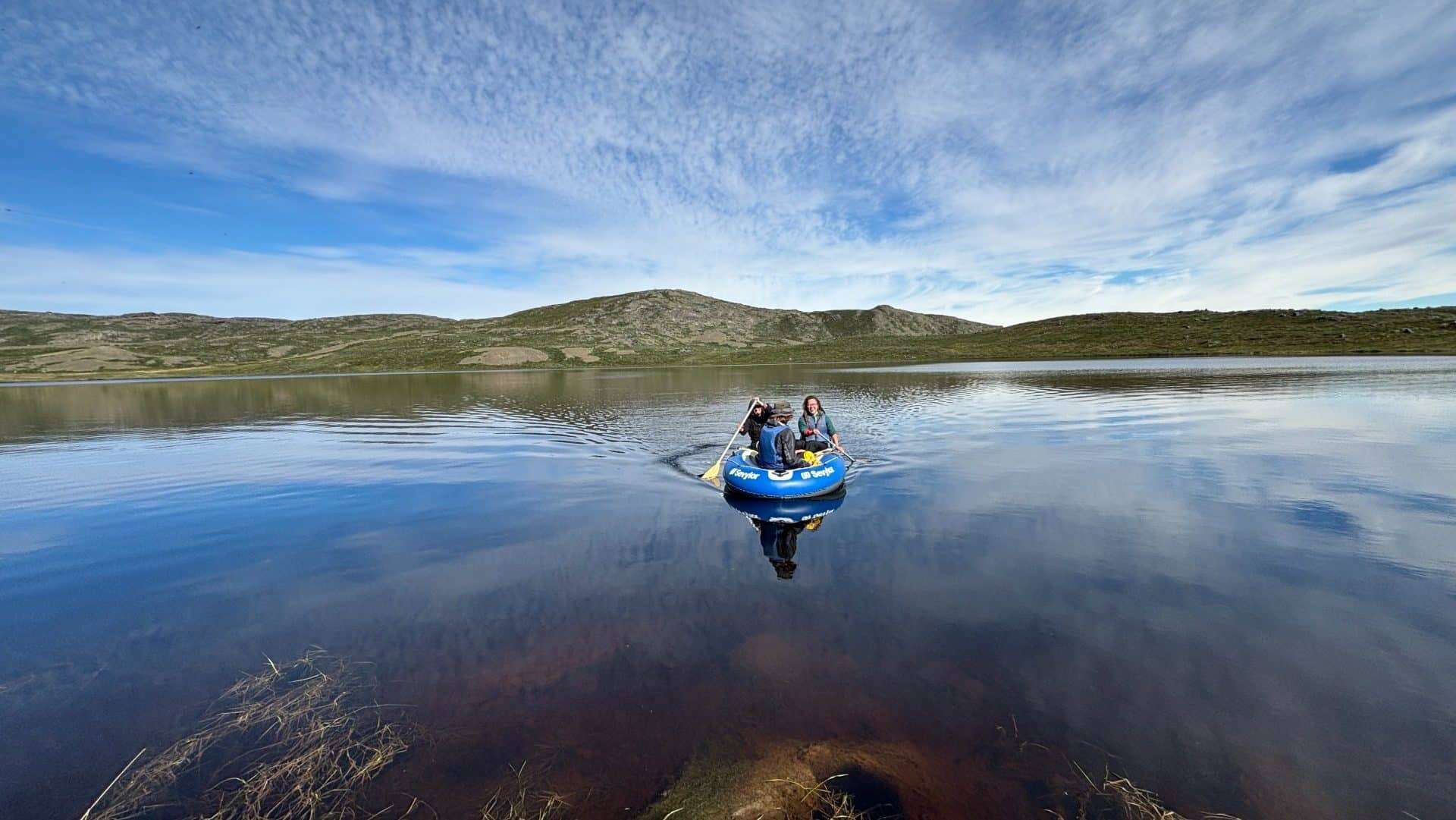
Main Factors Behind the Shift
These combined processes flipped the lakes' role from absorbing carbon to emitting it, adding further CO₂ to the atmosphere and exacerbating climate change.
Effects on Nature and Local Populations
The brown water phenomenon in Greenland’s lakes signifies more than an environmental oddity; it directly affects ecosystems and inhabitants. Formerly vital as clean water sources, these lakes now face contamination threats. The surge of dissolved organic carbon and nutrients increases the risk of water quality deterioration.
“Dissolved organics and nutrients from thawed permafrost can spur bacterial growth, altering water taste and odor, and potentially increasing exposure to harmful metals,” Saros noted in a Heriot-Watt University press release. This contamination complicates water treatment and can produce hazardous byproducts like trihalomethanes, compounds linked to increased cancer risk.
The aquatic ecosystems themselves stand at risk. The browning reduces sunlight availability, disrupting photosynthetic organisms that form the foundation of aquatic food webs. This disruption threatens species survival, from fish to migratory wildlife, with consequences possibly extending well beyond Greenland’s borders.
A Planetary Wake-Up Call
The swift browning of Greenland’s lakes serves as a potent indicator of the rapid escalation of climate impacts, especially in polar environments. Browning trends have been seen in other northern areas, including parts of the U.S., though these typically develop over decades. Greenland’s case is exceptional due to the remarkable speed of change.
This situation illustrates how vulnerable permafrost ecosystems are; as global temperatures climb, thawing permafrost may unleash even greater quantities of greenhouse gases, fueling a dangerous feedback loop that accelerates warming.
The role of atmospheric rivers, pivotal in this event, is another critical insight. Climate projections indicate these weather systems will grow in frequency and intensity, potentially sparking similar ecological shifts elsewhere.
Steps Toward Mitigation
Responding to the challenges facing Greenland’s lakes demands efforts on both local and global fronts. On the ground, it is crucial to track water conditions and safeguard drinking supplies for Greenland’s communities. Globally, curbing greenhouse gas emissions remains essential to slowing warming and preventing more climate catastrophes.
Ongoing research aims to clarify the long-term impacts, but the brown lakes stand as stark evidence of the urgent need to address climate change. Heeding this warning from the Arctic presents a vital chance to limit global warming effects and protect delicate ecosystems essential to life on Earth.
This emerging crisis in Greenland highlights the immediate reality of climate change's harmful effects, unfolding rapidly with serious consequences.
- Categories:
- News





0 comments
Sign in to Comment