
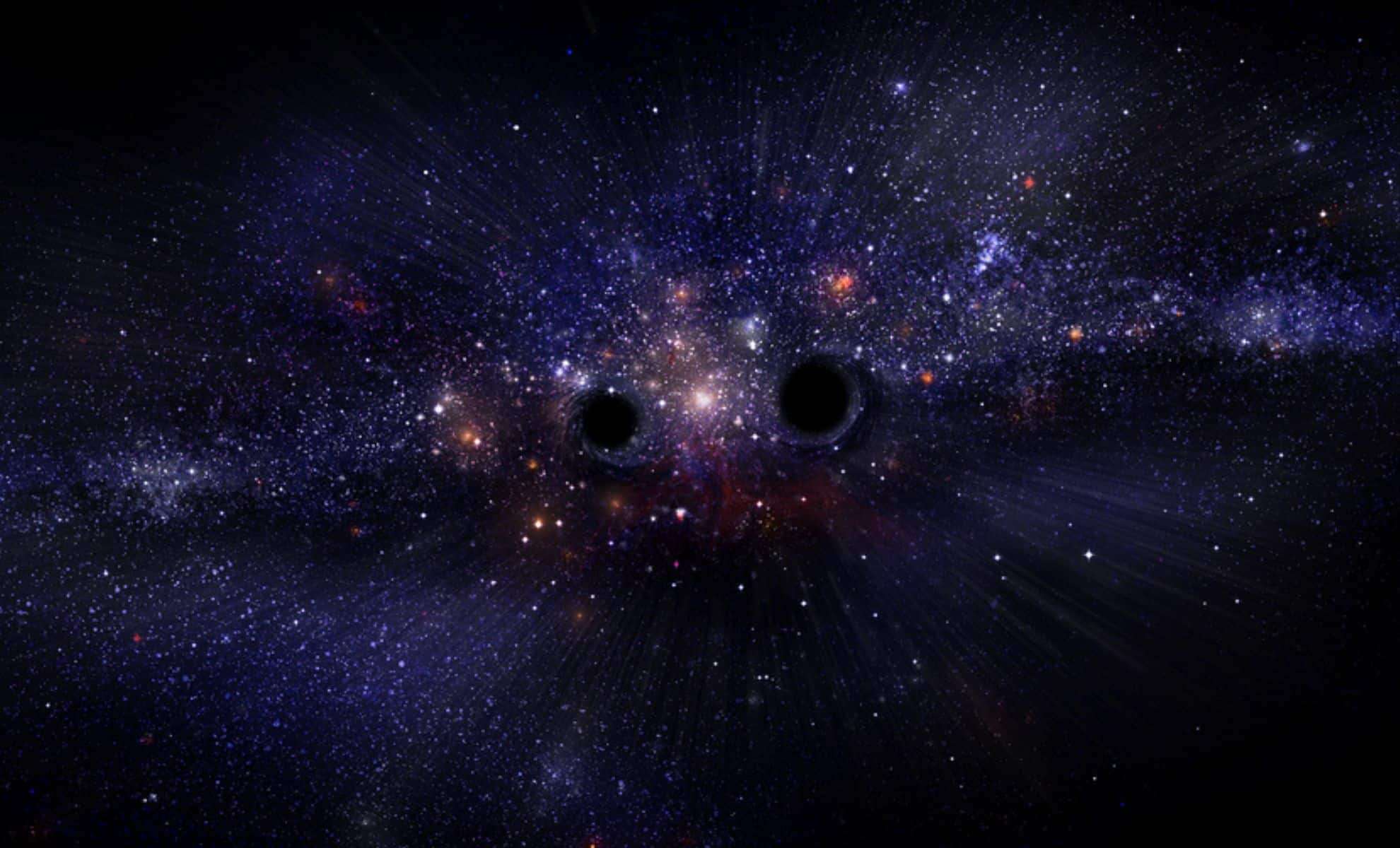
Scientists have possibly identified the existence of dark stars, an extraordinary type of celestial body previously only theorized. Observed through the James Webb Space Telescope (JWST), these enigmatic objects could drastically transform our perspective on the early universe and unlock the secrets of dark matter, one of the most puzzling components of the cosmos.
Unlike conventional stars fueled by nuclear fusion, dark stars are believed to derive their energy from the annihilation of dark matter particles. Confirming their existence would not only introduce an entirely new stellar class but also shed light on the nature of dark matter, which makes up about 85% of all matter yet eludes direct detection.
Defining Dark Stars
Dark stars are hypothesized primordial objects formed soon after the Big Bang. Instead of powering themselves through hydrogen fusion like normal stars, these entities generate energy as a result of dark matter particle annihilation deep within their cores. This unique mechanism causes the stars to heat surrounding gases and emit radiation.

What sets dark stars apart is their tremendous potential size. Some theories suggest they could amass up to a million solar masses, glowing brightly yet maintaining relatively cooler outer layers compared to typical stars. They are thought to originate in dense concentrations of dark matter called dark matter minihaloes, providing the essential resources for their growth.
Dr. Katherine Freese from the Weinberg Institute for Theoretical Physics at The University of Texas at Austin has contributed to identifying viable dark star candidates. She emphasized the significance of the findings, saying, “Discovering a new type of star is pretty interesting all by itself, but discovering it’s dark matter that’s powering this—that would be huge.” Such revelations could reshape our understanding of early-universe dynamics.
Discovery Process Through JWST
The breakthrough results stem from observations with the James Webb Space Telescope, the most sophisticated tool to date for probing the universe’s distant past. Using advanced infrared imaging, JWST detected three objects—JADES-GS-z13-0, JADES-GS-z12-0, and JADES-GS-z11-0—showing traits inconsistent with galaxies or star clusters.
Initially categorized as galaxies, these bodies may instead be enormous individual stars, matching closely with theoretical dark star profiles in terms of brightness, temperature, and spectral properties. These candidates present a promising avenue for verifying the existence of dark stars.
This landmark discovery opens new possibilities for studying how dark matter interacts within cosmic structures, thanks to JWST’s ability to observe primordial light from billions of years ago.
Dark Matter’s Crucial Influence
Dark matter, comprising most of the universe’s unseen mass, remains one of science’s greatest enigmas. Invisible in electromagnetic spectra, its presence is inferred through gravitational effects on luminous matter like galaxies.
Discovering dark stars could offer unprecedented windows into dark matter properties. Because these stars may be powered by dark matter particle annihilation, their observation can yield insights into particle mass, interaction characteristics, and their broader role in cosmic evolution.
Additionally, understanding dark stars may illuminate how dark matter influenced the earliest galaxy formations and the universe’s structural development.
Cosmological Consequences
If confirmed, dark stars would challenge prevailing theories of star formation and cosmic evolution. A particularly baffling mystery is how supermassive black holes emerged so quickly following the Big Bang.
Dark stars could provide an answer. Their collapse at the end of life cycles might seed these massive black holes, offering a compelling explanation for their early existence. Exploring this link is an exciting direction for future research to fill gaps in cosmic history.
Moreover, recognizing dark stars as powered by dark matter would redefine dark matter’s role, framing it as an active participant in cosmic phenomena rather than a solely gravitational influence, expanding the horizons of physics.
Future Challenges
Although promising, the confirmation of dark stars demands detailed follow-up. Analyses of their light spectra are crucial to identify distinctive signs of dark matter annihilation, a process requiring both time and advanced instrumentation like JWST.
Theoretical models also need refinement to better predict dark star properties, enhancing the accuracy of candidate identification. Collaborative studies linking JWST data with ground-based telescopes will be vital for a comprehensive understanding.
Entering a New Era of Astronomy
The identification of potential dark stars marks a significant milestone in exploring the universe's unseen aspects. These exotic stars, fueled by dark matter, might unravel foundational mysteries in cosmology.
Through their study, scientists aim to deepen knowledge about dark matter, early cosmic structures, and the formation of massive black holes. Each discovery brings us closer to comprehending the forces governing our cosmic reality. The quest for dark stars has just begun, promising to illuminate new scientific frontiers.
- Categories:
- News








0 comments
Sign in to Comment