
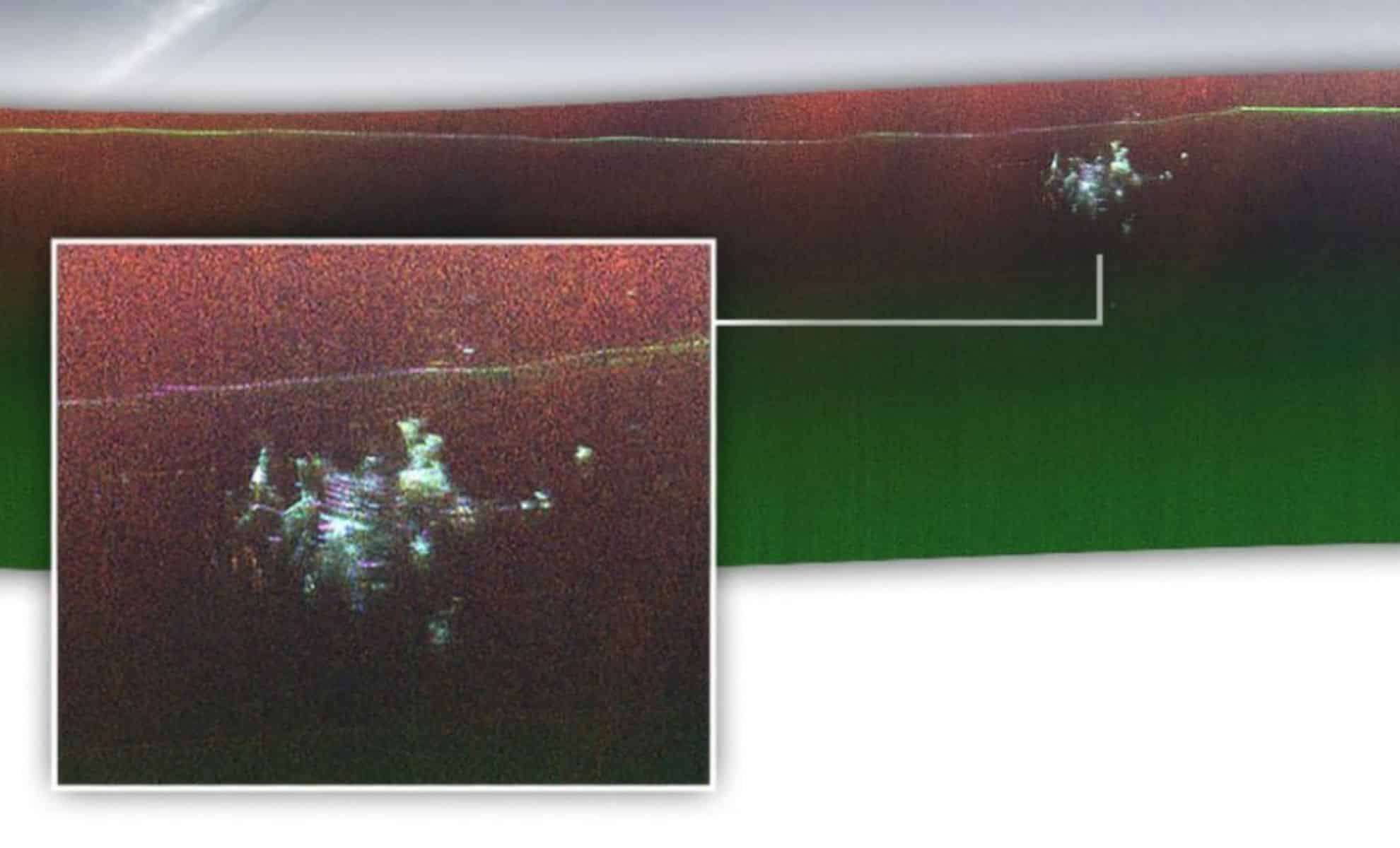
NASA has recently unveiled detailed radar imagery exposing Camp Century, a concealed U.S. military installation hidden beneath Greenland’s vast ice coverage. Through advanced radar scanning linked to climate research, scientists have gained unparalleled views of this Cold War-era site, providing fresh perspectives on its construction and potential environmental implications. Established in the 1950s and abandoned in 1967, this once-secret base remained entombed under decades of ice until modern technology made its rediscovery possible.
Uncovering Camp Century: The Role of Cutting-Edge Radar Technology
During a mission employing the UAVSAR radar, designed to probe beneath ice layers in Greenland and Antarctica, NASA scientists encountered an unexpected find. By transmitting electromagnetic pulses through the ice and analyzing the echoes, the system maps subsurface ice features to improve understanding of ice structure and movement. While primarily focused on measuring ice thickness and flow for climate projections, the research led by Chad Greene and Alex Gardner inadvertently discovered the remnants of Camp Century.
Reflecting on the moment of discovery, Alex Gardner from NASA’s Jet Propulsion Laboratory said, “Our initial aim was mapping the ice bed, but unexpectedly, Camp Century appeared in the data. We couldn’t immediately identify it.” Further examination confirmed the radar images depicted this historical underground base concealed beneath nearly six decades of accumulated ice, unveiling detailed structures and tunnels that had lain unseen for decades.

Exploring Camp Century's Cold War Origins and Scientific Importance
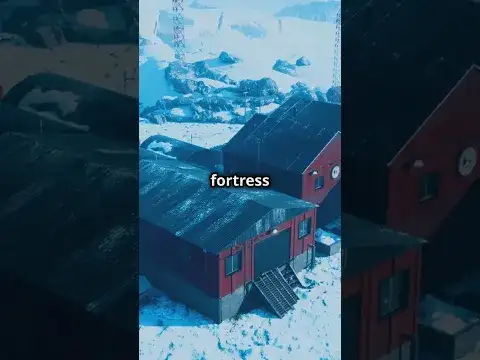
Constructed as part of the Arctic Nuclear Power Reactor for Electrical Power initiative by the U.S. Army Corps of Engineers, Camp Century featured extensive tunnels under the ice, serving as living quarters and research labs. The base was integral to Project Iceworm, a covert Cold War operation aiming to deploy nuclear missile sites beneath the Greenland ice sheet. Despite aspirations for permanence, operational difficulties and concerns about ice stability led to the base’s closure in 1967.
The rediscovery carries notable historical and scientific weight. As noted by Chad Greene, “The new imagery reveals distinct structures within this hidden city that have never been visible before.” Radar scans exposed a variety of preserved buildings—from dormitories to laboratories, and even the nuclear reactor—offering insights into Cold War military engineering and shedding light on challenges at the intersection of environment and geopolitics.
Climate Change’s Threat to Ice Sheets and Greenland's Future
Beyond historical significance, the radar findings provide vital data for assessing Greenland’s ice sheet amid accelerating melting due to climate change. As ice continues to retreat, remnants of sites like Camp Century could surface, potentially releasing hazardous materials stored during military operations. This raises concerns about environmental consequences as buried contaminants may become exposed.
Alex Gardner emphasized the broader importance for climate science: “Knowing ice thickness is critical to understanding how ice sheets will behave in a warming world, which directly impacts projections of sea-level rise.” The UAVSAR radar not only facilitates historical discoveries but also plays a crucial role in mapping ice dynamics, aiding predictions of future environmental shifts.
The Nuances of Radar Imaging: Discovering More Than Expected
The successful imaging of Camp Century highlights the capabilities of the UAVSAR radar, which penetrates thick ice sheets with remarkable resolution. Interpreting the data is complex, requiring adjustment for factors like ice density and sub-ice anomalies. Intriguingly, the radar was originally intended for glaciology studies, yet it proved invaluable in revealing a forgotten military installation tucked beneath the surface.
This unexpected find illustrates how exploratory science can yield groundbreaking results. As Gardner reflected, “We set out to study ice and ended up uncovering a historical site that offers new perspectives on both past events and future changes.”
Looking Ahead: Continued Research on Greenland’s Ice and Its Global Impact
The uncovering of Camp Century represents a milestone in the broader investigation of the Greenland Ice Sheet. Using UAVSAR and related technologies, NASA scientists plan to monitor glacier movements and examine the effects of rising temperatures. This ongoing work is essential for forecasting sea-level rise and understanding environmental transformations that threaten coastal regions worldwide. Additionally, the legacy of Camp Century’s materials remains under scrutiny as researchers evaluate potential ecological risks.
Future research initiatives will expand NASA’s efforts in Greenland and other polar zones, harnessing state-of-the-art radar to deepen knowledge of ice-covered terrains and their responses to climate forces. These insights are vital for informing policy decisions and resilience strategies in a warming Earth.







0 comments
Sign in to Comment