
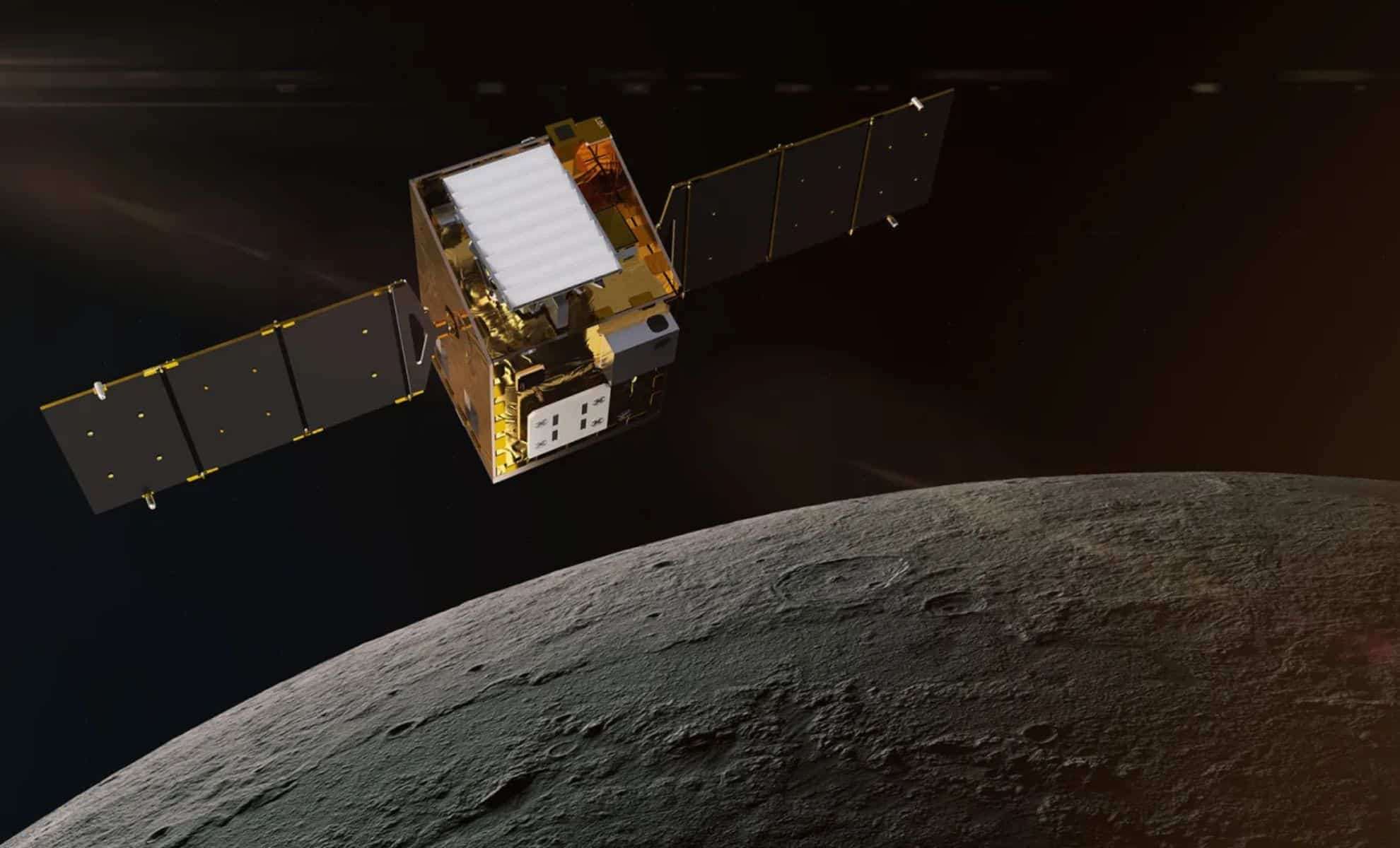
Set for a 2024 liftoff, NASA’s Lunar Trailblazer mission is designed to locate and analyze water in the Moon’s permanently shadowed regions, where ancient ice may still exist.
Operated by NASA’s Jet Propulsion Laboratory (JPL) and led by Caltech in Pasadena, this compact satellite mission will utilize state-of-the-art instruments to examine the lunar surface with extraordinary precision, aiding researchers in unraveling the mysteries of the Moon’s water cycle. This endeavor marks a key milestone in exploring lunar resources as NASA’s Artemis program prepares for sustained human exploration on the Moon.
Cutting-Edge Tools for Lunar Water Mapping
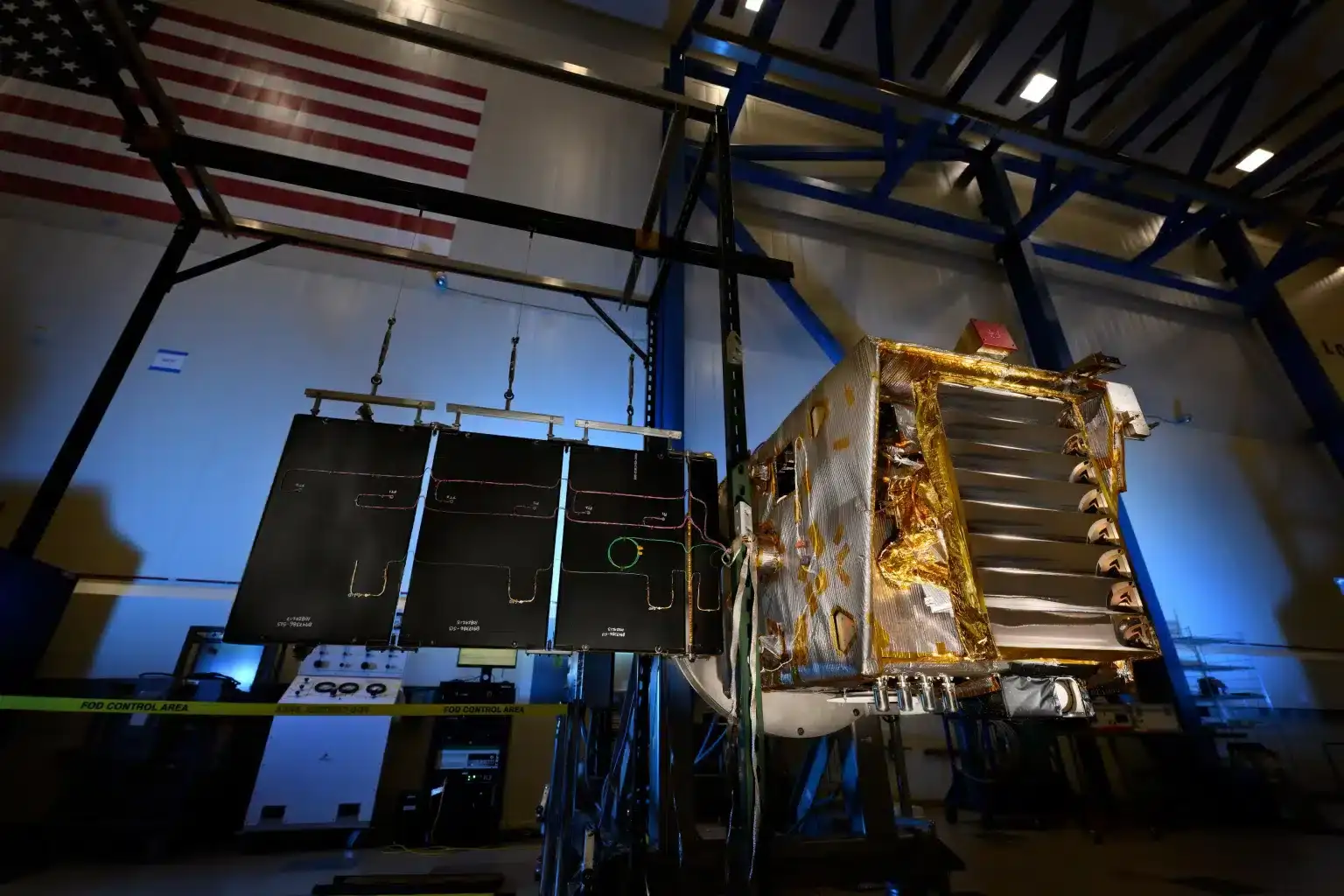
The Lunar Trailblazer mission features two primary instruments: the High-resolution Volatiles and Minerals Moon Mapper (HVM³) and the Lunar Thermal Mapper. Developed at JPL, HVM³ is capable of identifying multiple forms of lunar water—including ice, hydroxyl groups, and molecular water—providing detailed information about water’s varieties and concentrations across diverse lunar landscapes. Principal investigator Bethany Ehlmann emphasized the mission’s importance, stating, “High-resolution mapping of the amounts and types of lunar water will enhance our understanding of the water cycle and delivery processes on the Moon.”

The Lunar Thermal Mapper, created with support from the UK Space Agency and built by Oxford University, will complement HVM³ by tracking surface temperatures and examining how temperature changes influence water behavior. This instrument is vital for studying how water molecules move across the lunar surface under harsh environmental conditions. By integrating data from both devices, scientists will produce a detailed map of water presence, covering both sunlit zones and permanently shadowed craters.
Scientific Value and Exploration Benefits
Data from Lunar Trailblazer will shed light on the Moon’s water origins and its spatial distribution—a critical resource for both scientific research and future lunar missions. Water on the Moon could provide astronauts with essential oxygen and hydrogen for fuel, offering the potential to minimize resupply missions from Earth. Co-investigator Paul Hayne noted, “The presence of ammonia in ice deposits may point to cometary delivery, while sulfur could indicate ancient volcanic activity on the Moon.”
Determining the composition of lunar ice is key to understanding whether the water arrived via extraterrestrial impacts or internal volcanic processes, offering insights into the Moon’s geologic past and revealing how water evolves on airless worlds throughout the solar system.
Supporting Lunar Missions and Resource Utilization
Information gathered by Lunar Trailblazer won’t just drive scientific discovery—it will also aid practical planning for NASA’s Artemis program and other lunar endeavors. The mission’s precise mapping of water availability will help astronauts identify and potentially harvest local resources, a vital step toward long-term human presence by reducing reliance on Earth-supplied materials.
Beyond human exploration, the mission will investigate the Moon’s potential water cycle, influenced by temperature, sunlight, and space weather. These findings may also enhance our understanding of water on other airless bodies such as asteroids and icy moons, broadening the knowledge of water in diverse celestial environments.
Timeline and Future Outlook
Scheduled for launch in 2024, Lunar Trailblazer is a small satellite mission expected to make a large impact. Once orbiting the Moon, it will conduct detailed surveys of both illuminated and permanently shadowed areas. This mission will complement NASA’s Volatiles Investigating Polar Exploration Rover (VIPER), which will physically sample the lunar South Pole. Combined, these missions are set to deepen our comprehension of lunar resources, guiding future sustainable exploration.
The compact design of Lunar Trailblazer exemplifies NASA’s drive for innovative and cost-efficient space science. As Ehlmann stated, “The discoveries from Lunar Trailblazer will lay the groundwork for NASA’s lunar exploration strategy, revealing what resources exist and how they can be utilized.”
- Categories:
- Astronomy ,
- News ,
- Nasa








0 comments
Sign in to Comment