
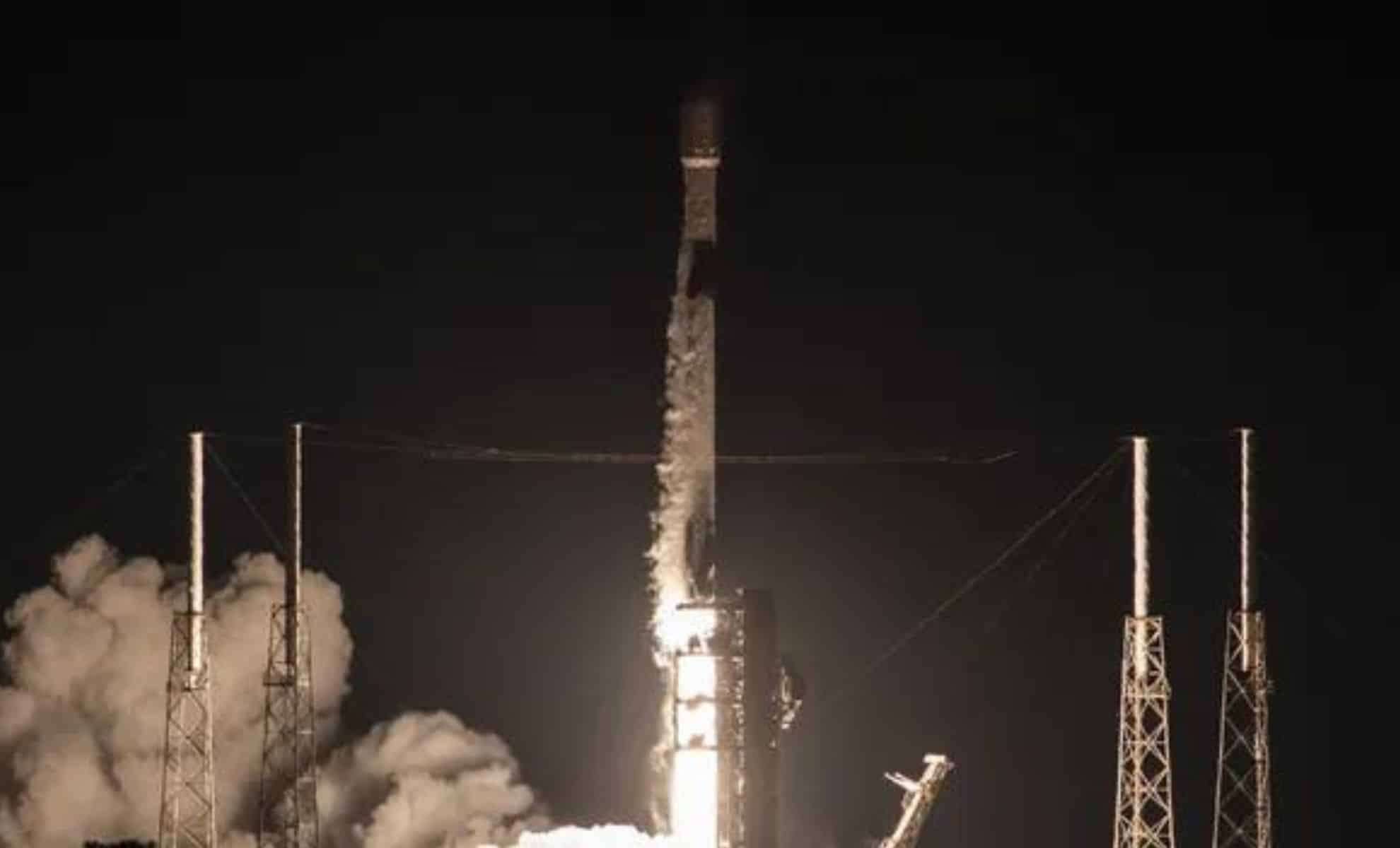
On Thursday evening, SpaceX is preparing to deploy 20 additional Starlink satellites, including 13 outfitted with cutting-edge direct-to-cell communication technology, launching from Vandenberg Space Force Base in California.
This mission continues SpaceX’s ambitious campaign to grow its extensive Starlink satellite network, which now boasts more than 6,150 satellites in operation.
Overview of Launch Schedule and Events
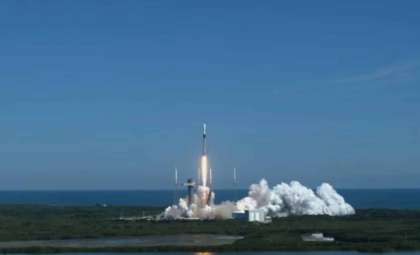
The Falcon 9 rocket transporting the Starlink satellites is slated to lift off within a four-hour window starting at 10:39 p.m. Eastern Daylight Time (7:39 p.m. Pacific Daylight Time; 0239 GMT on July 12). Although the launch was postponed by a day, SpaceX has not publicly shared the reasons behind the delay. SpaceX will host a livestream on its X social media channel, beginning roughly 15 minutes before ignition.

Following liftoff, the Falcon 9’s first stage is planned to touch down around eight minutes later on the autonomous drone ship “Of Course I Still Love You” stationed in the Pacific Ocean. This booster is aiming for its 19th flight and recovery, approaching the Falcon 9 first stage flight record of 22 missions set last month. The upper stage will continue to deploy the 20 satellites into low Earth orbit approximately 59 minutes post-launch.
Starlink Network Growth and Enhanced Mobile Connectivity
This launch represents the 68th Falcon 9 mission in 2024, with 48 dedicated to Starlink constellation deployment. Over 100 Starlink satellites already support direct-to-cell connectivity, a figure expected to rise substantially as SpaceX keeps launching. This innovative technology is designed to extend reliable mobile internet access worldwide, particularly benefiting hard-to-reach and underserved communities.
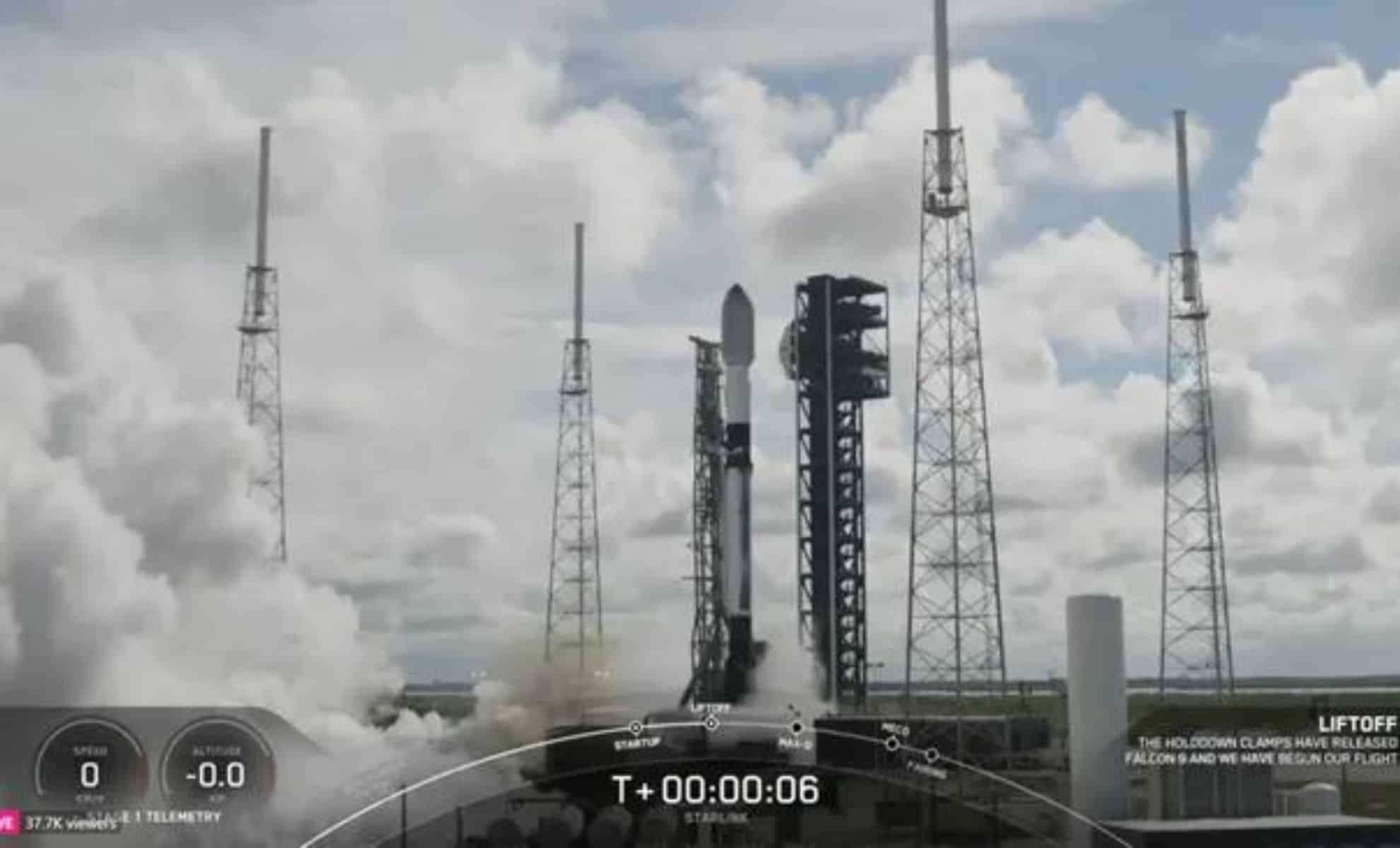
Direct-to-cell capability represents a major leap forward for Starlink by enabling satellites to communicate directly with mobile phones, eliminating reliance on traditional ground-based cell towers. This technology proves particularly advantageous in areas where infrastructure is minimal or compromised, such as disaster zones. The incorporation of these satellites into the upcoming launch highlights SpaceX’s ongoing dedication to expanding and enhancing the Starlink system’s capabilities.
Wider Impact and Upcoming Projects
Expanding Starlink remains a core element of SpaceX’s vision to establish a globe-spanning high-speed internet network, delivering connectivity to even the most isolated locations. Each satellite added not only broadens coverage but also boosts the system’s dependability. The direct-to-cell feature is especially promising for transforming connectivity in underserved areas, offering reliable internet where before it was scarce or nonexistent.
SpaceX’s rapid cadence of launches underscores its drive to innovate and deploy advanced space technologies swiftly. Success in these endeavors enhances worldwide internet access while showcasing the benefits of reusable rocket technology, which makes space missions more cost-effective. The repeated reuse of the Falcon 9 first stage exemplifies SpaceX’s progress in rocket design and its role in lowering the expense of spaceflight.
- Categories:
- Astronomy ,
- News ,
- Space ,
- Aircraft








0 comments
Sign in to Comment