
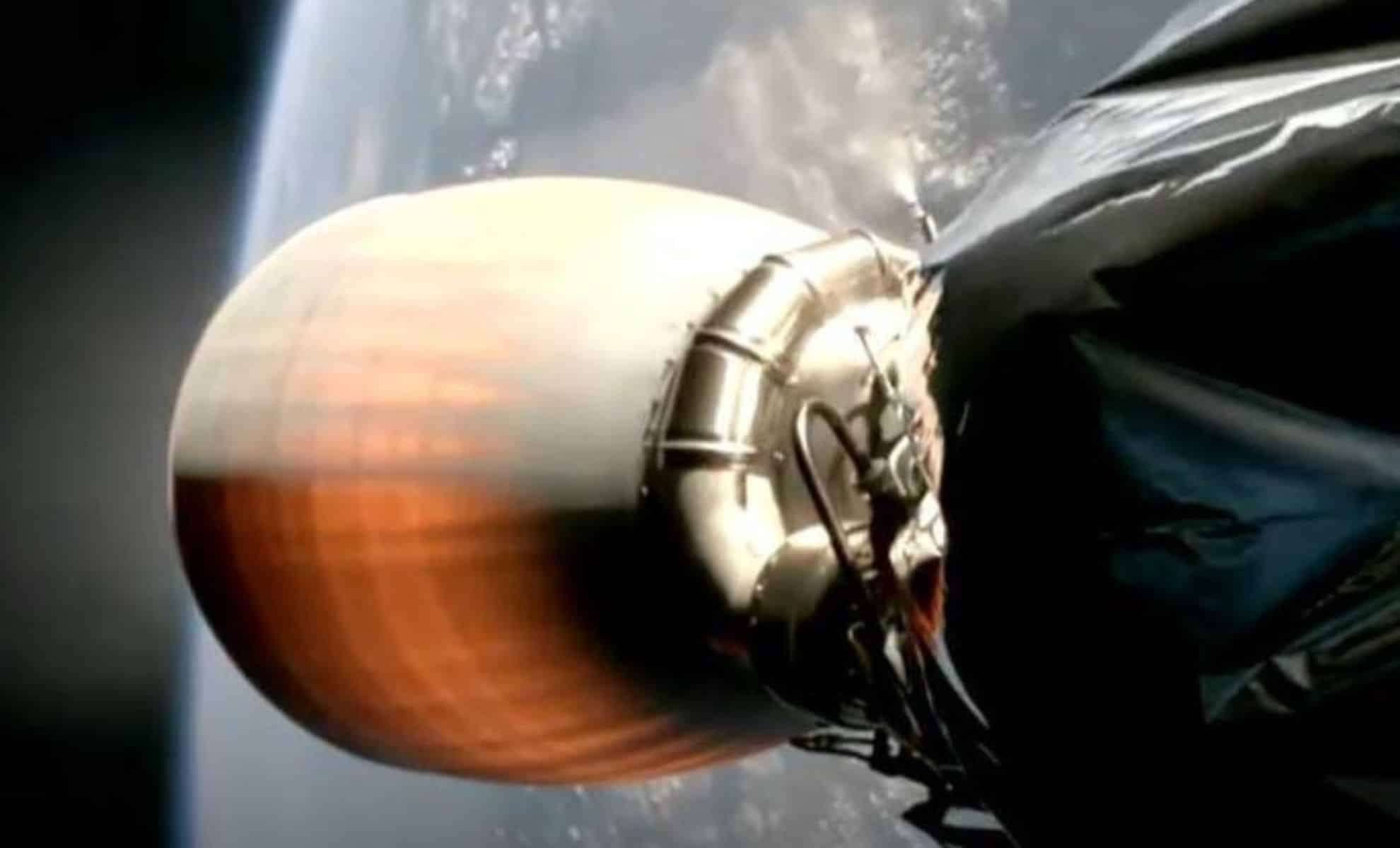
SpaceX achieved another milestone by launching 20 additional Starlink satellites from California’s Vandenberg Space Force Base, advancing the growth of its satellite internet network.
Early Morning Liftoff from Vandenberg
The launch, known as Starlink 8-8, occurred at 5:58 a.m. PDT (8:58 a.m. EDT, 1258 UTC) on June 8, 2024, despite overcast skies.
Among these 20 satellites, 13 are equipped with Direct to Cell technology, aimed at improving LTE phone connectivity globally. This upgrade is designed to extend communication access to remote regions and underserved populations, providing more dependable mobile networks worldwide.

The early launch from Vandenberg was part of an intense launch schedule for SpaceX, demonstrating its ability to sustain rapid mission turnarounds. Notably, fewer than 12 hours earlier, a Falcon 9 rocket carried 22 Starlink satellites into orbit from Cape Canaveral Space Force Station in Florida.
Moreover, just two days before this mission, SpaceX successfully launched the fourth flight of its Starship rocket from southern Texas, showcasing an extraordinary period of activity and launch proficiency. This series of launches highlights SpaceX’s growing capacity to conduct frequent space missions critical to quickly expanding its vast satellite network and supporting ambitious space exploration endeavors.
Record-Breaking Reusable Booster
The Falcon 9 booster used for this flight, designated B1061, reached its 21st mission, tying with booster B1062 for the title of SpaceX’s most frequently flown boosters. Booster B1061 has a notable history, including carrying out the Crew-1 and Crew-2 astronaut missions to the International Space Station as well as multiple Starlink deployments and rideshare operations like Transporter-4 and Transporter-5. After launch, B1061 successfully touched down on the droneship “Of Course I Still Love You” in the Pacific Ocean, marking the 92nd landing on this vessel and SpaceX’s overall 318th booster recovery, emphasizing the company’s leadership in rocket reusability and efficient space flight.
Scaling Up Direct-to-Cell Coverage
Michael Nicolls, SpaceX’s VP of Starlink Engineering, highlighted the recent launches as key advancements in enhancing the constellation’s Direct to Cell service. He shared that May saw 11 Starlink missions launching 26 of these specialized satellites, forming the initial framework needed to roll out this innovative mobile communication technology.
Thrilled to be growing our @Starlink Direct to Cell constellation, we have now launched 64 sats, launching every few days! Excited to be offering commercial services with @TMobile this Fall in the US, offering ubiquitous coverage and peace of mind wherever you may work or play. https://t.co/zqkEsqiPIG
— Sara Spangelo (@sara_spangelo) June 8, 2024
Direct to Cell services are slated to launch commercially this fall in collaboration with T-Mobile across the US, providing LTE phone users with broader access to voice, text, and data services worldwide. This innovation is expected to transform mobile connectivity by reaching areas previously lacking adequate signal, helping bridge the digital gap and enhancing emergency response capabilities in isolated locations.
The recent deployment of these Starlink satellites featuring advanced Direct to Cell technology represents a key achievement for SpaceX. The company’s proficiency in rapid launches and booster recovery signals strong momentum in expanding global satellite communications and pushing spaceflight innovation.
As the Starlink network expands, SpaceX advances its mission to deliver reliable high-speed internet on a global scale, potentially transforming connectivity for many regions and demonstrating remarkable progress in satellite and launch technologies.







0 comments
Sign in to Comment