
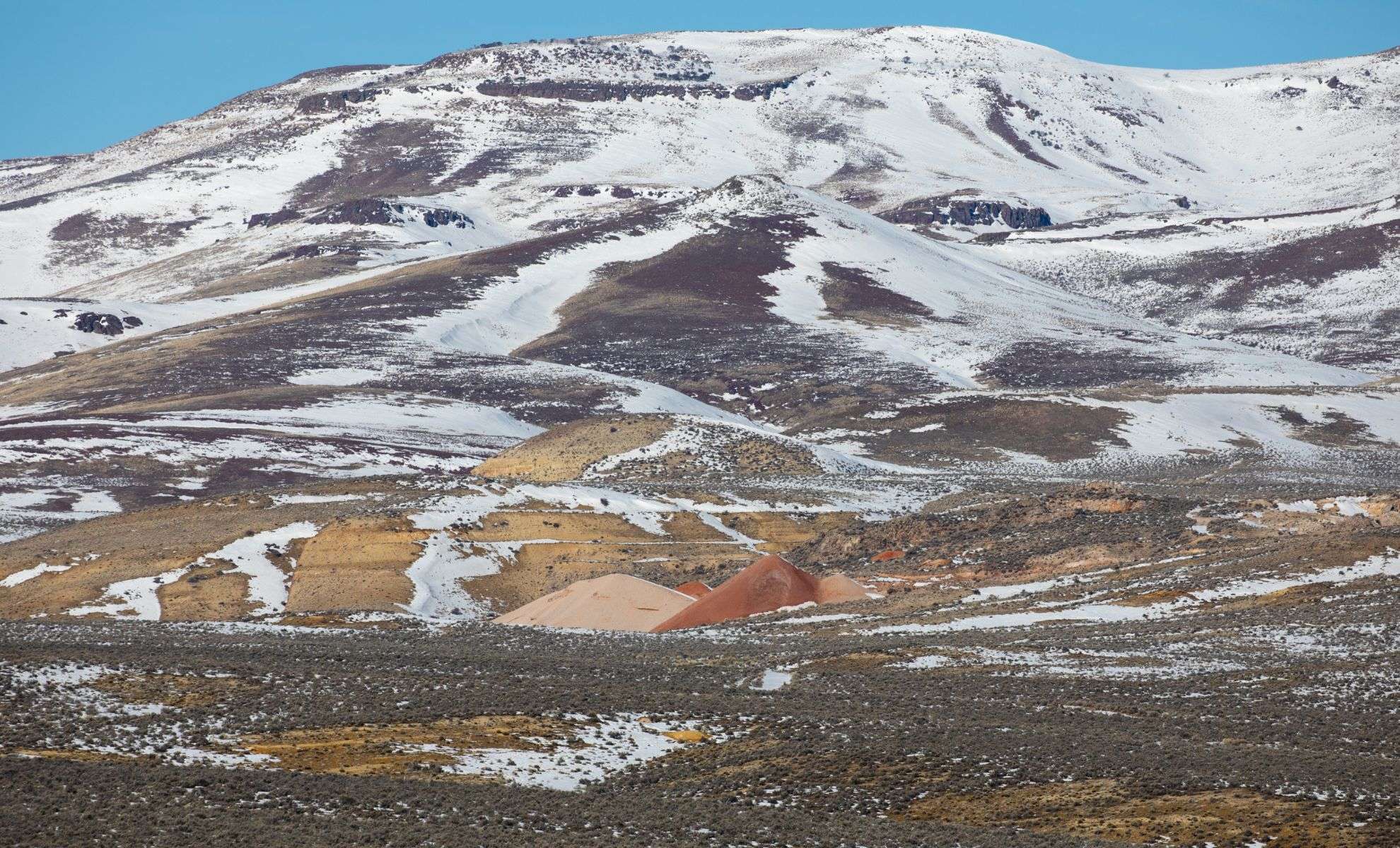
Near the Oregon-Nevada border, scientists have uncovered a massive lithium reserve beneath the ancient McDermitt Caldera, estimated to contain around 40 million metric tons. This vital element, essential for electric vehicle batteries and renewable energy storage, is rapidly becoming a cornerstone of the global shift toward sustainable technologies.
China has long dominated the lithium market, accounting for more than 60% of worldwide production. However, with the McDermitt Caldera's lithium deposits exceeding even Bolivia’s famed Salar de Uyuni, the United States is set to become a major player. Combined with the ambitious Thacker Pass mining initiative, this discovery signals a new chapter in American energy independence and leadership in environmentally friendly innovation.
A Landmark Geological Find
The McDermitt Caldera, a 16-million-year-old dormant supervolcano, covers an area of 616 square miles and hosts rich lithium-bearing clay soils formed by ancient volcanic activity. Recent studies suggest these layers could contain up to 40 million metric tons of lithium, significantly outstripping other global reserves.

This development arrives just as global lithium demand is forecasted to reach 1.5 million metric tons annually by 2028, fueled by the rapid expansion of electric vehicles, renewable energy systems, and consumer tech. With such a substantial domestic supply, the U.S. is well-positioned to fulfill a large share of this rising demand while cutting down dependency on imports.
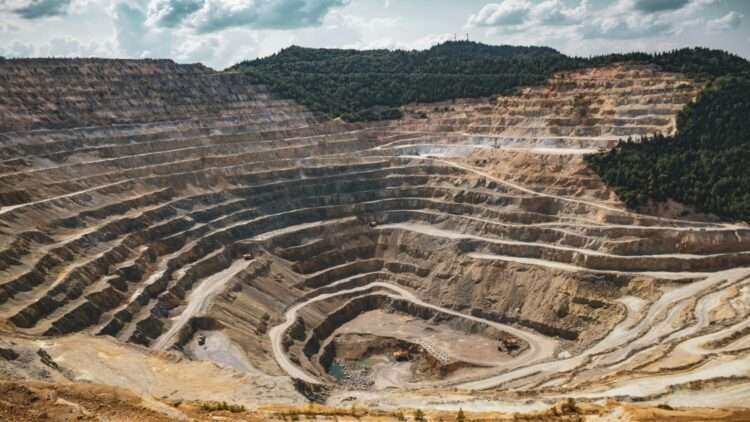
Thacker Pass Project: Pioneering Sustainable Lithium Extraction
The centerpiece of U.S. efforts to harness this resource is the Thacker Pass project, developed by Lithium Americas. Situated within the McDermitt Caldera, this $2 billion venture enjoys support from the U.S. Department of Energy and investments from corporations like General Motors. Production is anticipated to start by 2026, targeting an annual output of 40,000 metric tons of lithium, sufficient for millions of electric vehicles.
The project emphasizes environmentally conscious mining techniques, using innovative methods to reduce land disruption and ecological impact. Thacker Pass aims to be a model for responsible extraction that balances economic growth with environmental care.
Shifting the Global Lithium Landscape
China’s dominance in lithium extraction and processing has long shaped global supply chains, leading to significant dependence among other countries, including the U.S. This reliance poses risks, particularly amid geopolitical tensions.
Leveraging lithium from the McDermitt Caldera could enable the U.S. to decrease imports substantially, enhance supply chain resilience, and gain more influence over commodity prices. This development challenges China’s leading role in the lithium market and strengthens America’s strategic position in the green energy sector.
Environmental and Economic Benefits
The impact of unlocking domestic lithium extends well beyond geopolitics. Environmentally, tapping these local resources supports the global transition away from fossil fuels, as lithium is crucial for energy storage in solar and wind power systems, aiding the pursuit of net-zero emissions.
Economically, initiatives like Thacker Pass are poised to stimulate rural economies by creating thousands of new jobs and attracting substantial investments. This lithium boom thus represents a dual advantage: accelerating clean energy solutions while driving local economic revitalization.
Forging a Path Toward Energy Sovereignty
The vast lithium reserves discovered under the McDermitt Caldera represent a monumental opportunity in the U.S. quest for energy self-reliance. As competition for critical minerals intensifies worldwide, this discovery empowers America to meet growing domestic needs and influence global markets.
With sustainable mining practices at its core, the Thacker Pass project signals a transformative era wherein the U.S. can champion clean energy innovation and assert itself as a global leader in renewable resource development.
- Categories:
- News








0 comments
Sign in to Comment