
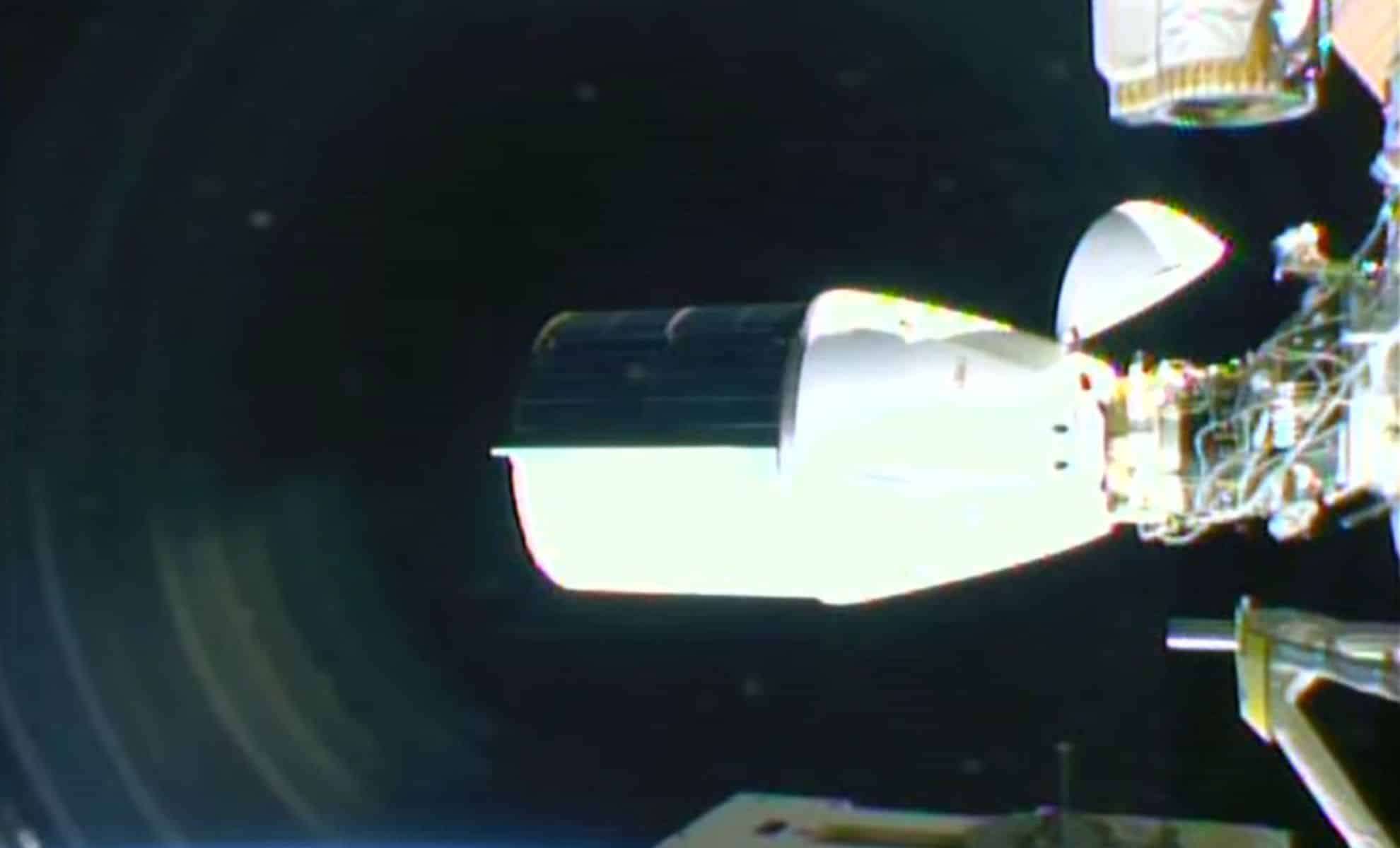
For the first time ever, SpaceX’s Dragon spacecraft engaged its thrusters to lift the International Space Station’s orbit on November 8. This milestone enhances station maintenance capabilities and represents a significant advance in Dragon’s operational functions. Until now, orbital boosts were exclusively conducted by Russian and Northrop Grumman vehicles, so this success broadens NASA’s ability to manage the ISS.
Details Behind Dragon’s Groundbreaking Orbital Adjustment
The pioneering reboost occurred on November 8, kicking off at 12:50 p.m. ET. Dragon’s thrusters operated continuously for 12.5 minutes, gently raising the station’s altitude. This adjustment increased the ISS orbit by 0.7 miles at the closest approach to Earth (perigee) and 0.07 miles at its farthest point (apogee). Such altitude boosts are vital to counteract the constant drag exerted by Earth’s atmosphere, which gradually lowers the station’s orbit. Regular orbital raises ensure the ISS maintains a stable altitude essential for safe operations and ongoing scientific work.
.@NASA and @SpaceX monitored operations as the company’s Dragon spacecraft performed its first demonstration of reboost capabilities for the International Space Station at 12:50pm ET today. https://t.co/jckgtW5pW8
— International Space Station (@Space_Station) November 8, 2024Add Cosmo Herald as a Preferred Source

Traditionally, these important orbit-rising maneuvers were the domain of Russia’s Progress cargo ships and Northrop Grumman’s Cygnus spacecraft. SpaceX’s Dragon now joining these ranks marks a major achievement, offering NASA and its international partners more flexibility in maintaining the station’s orbit.
Significance for Upcoming Missions
The capability for Dragon to lift the ISS orbit opens new doors for future mission designs. NASA has noted that the data from this operation will aid in developing a deorbit vehicle currently being engineered by SpaceX. This vehicle will facilitate the ISS’s controlled return through Earth’s atmosphere when it is retired in the early 2030s, targeting a safe descent over the Pacific Ocean. As Space.com highlights, this reboost test is “a good demonstration” of Dragon’s abilities, helping pave the way for the ISS’s eventual safe decommissioning.
This successful maneuver also reflects NASA’s efforts to diversify its ISS support fleet, reducing dependence on Russian Progress ships. From the end of the Space Shuttle program in 2011 until Crew Dragon’s inaugural crewed flight in 2020, NASA relied solely on Russian spacecraft for astronaut transport. Dragon’s new reboost role emphasizes SpaceX’s expanding participation in both crewed and cargo missions aboard the ISS, strengthening the U.S.’ capability for autonomous station operations and management.
Preparing for the ISS’s Closure in Orbit
The ISS has served as a cornerstone of international scientific collaboration for nearly 25 years. NASA plans to keep the station operational through 2030, but preparations for its retirement include developing both the deorbit vehicle and commercial successors to continue low Earth orbit research. When the station is retired, privately run space habitats will take over NASA’s former research functions, freeing the agency to prioritize deep space exploration programs like the Artemis initiative.
In July, SpaceX secured the contract to build the ISS deorbit vehicle, a key component of the station’s controlled re-entry strategy. Jared Metter, SpaceX’s flight reliability lead, stated, “Today’s attitude control maneuver was a good demonstration of Dragon’s capabilities as the company designs the ISS deorbit vehicle.” This successful orbital boost exemplifies the growing importance of Dragon’s new functions, which promise simpler station management and potential cost reductions in the long term.
The Future of Commercial Orbital Laboratories
Following the retirement of the ISS, NASA intends to shift its low Earth orbit research support increasingly towards commercial partnerships. The agency envisions private space stations replacing the ISS to sustain scientific investigations and maintain a human presence orbiting Earth.
This transition aims to redirect NASA’s funding towards challenging missions such as crewed journeys to the Moon and Mars.
With SpaceX’s Dragon spacecraft continuing its vital resupply and operational role, its inaugural orbital boost highlights a new chapter of collaboration between government space agencies and commercial aerospace companies.
- Categories:
- News







0 comments
Sign in to Comment