
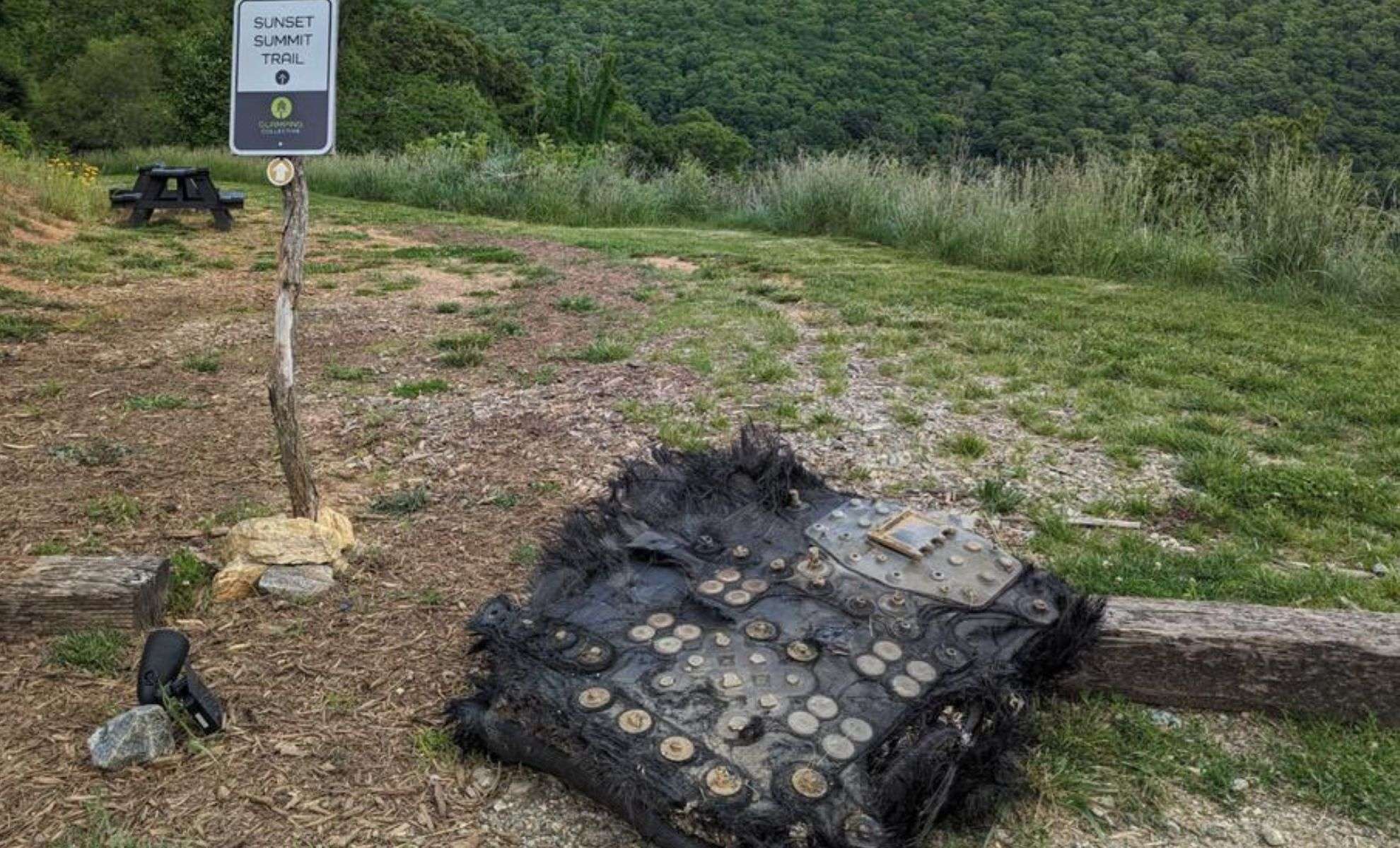
Concerns over debris from SpaceX’s Dragon spacecraft have intensified recently, leading NASA and SpaceX to devise new measures to reduce hazards linked to reentry fragments.
Instances of discarded parts from the Dragon's trunk impacting terrestrial areas have sparked safety worries and property damage, driving the push for refined reentry protocols.
Dragon Trunk Debris Events
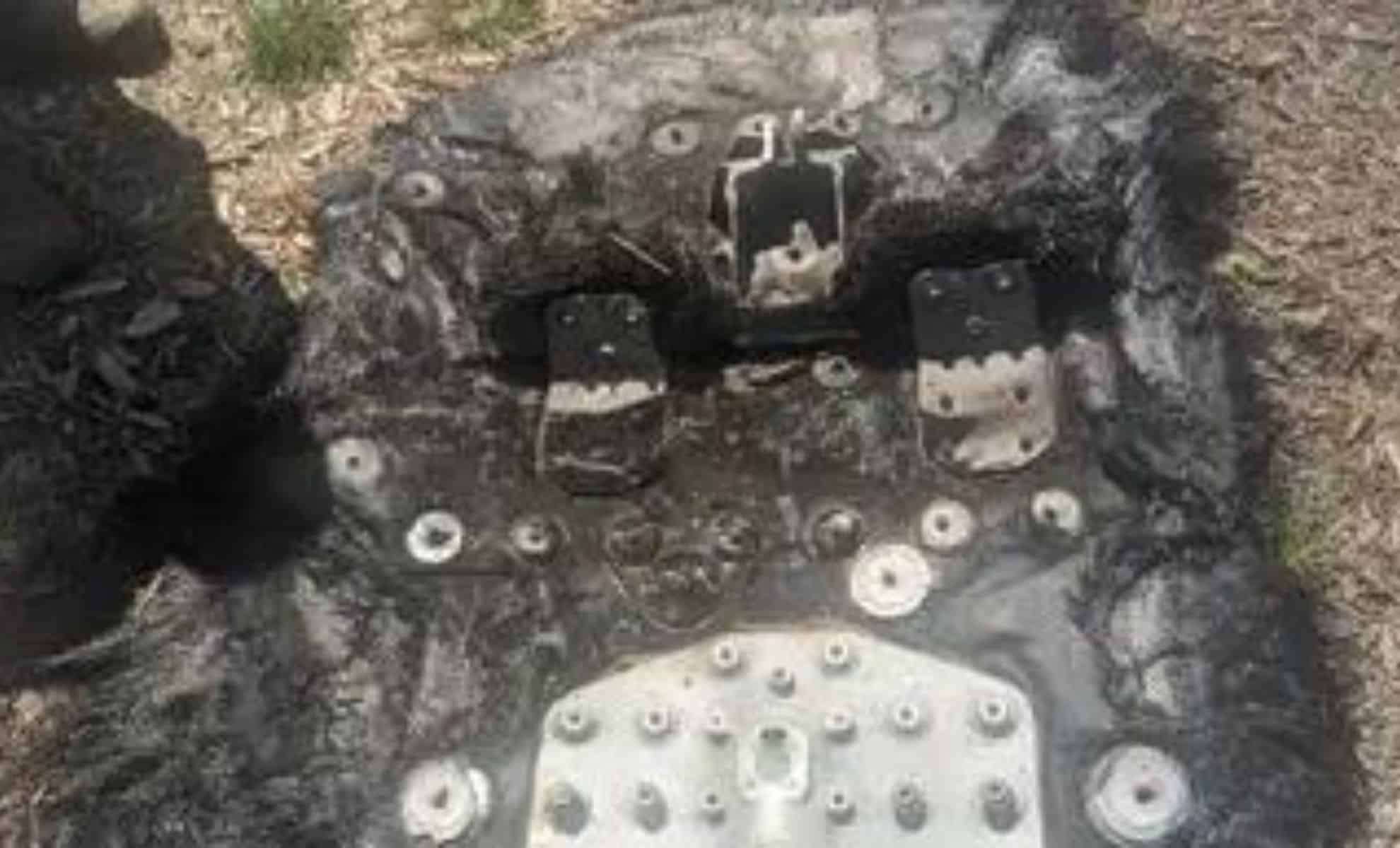
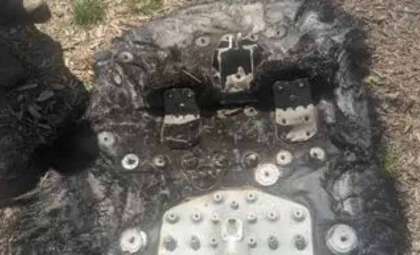
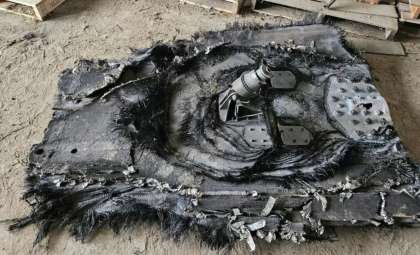
Fragments from the Dragon vehicle have surfaced in diverse locations, highlighting the urgency for enhanced reentry management. In 2022, debris from the Crew-1 Dragon trunk appeared in Australia. Although SpaceX initially regarded this as a singular event, Benji Reed, SpaceX’s senior director for human spaceflight, remarked, “This was all within the expected analyzed space of what can happen. Nonetheless, just like we do for launches and any return, we look very closely at the data, we learn everything that we can and we always look for ways we can improve things.” However, subsequent cases hinted at a recurring issue.

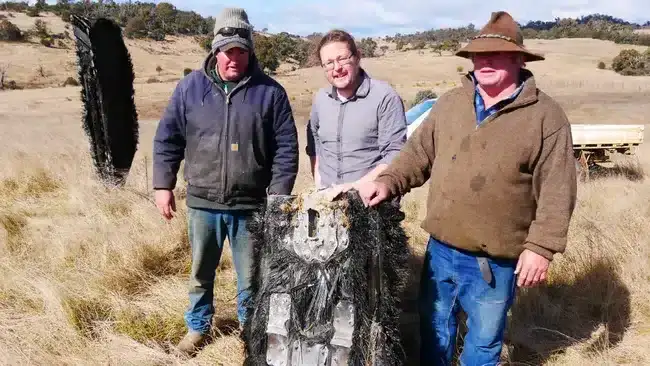
Early in 2024, shards from the Ax-3 Crew Dragon were found in Saskatchewan, underscoring the necessity for refined reentry approaches. These findings reaffirmed the requirement for NASA and SpaceX to revisit their methods to prevent debris from threatening population centers.
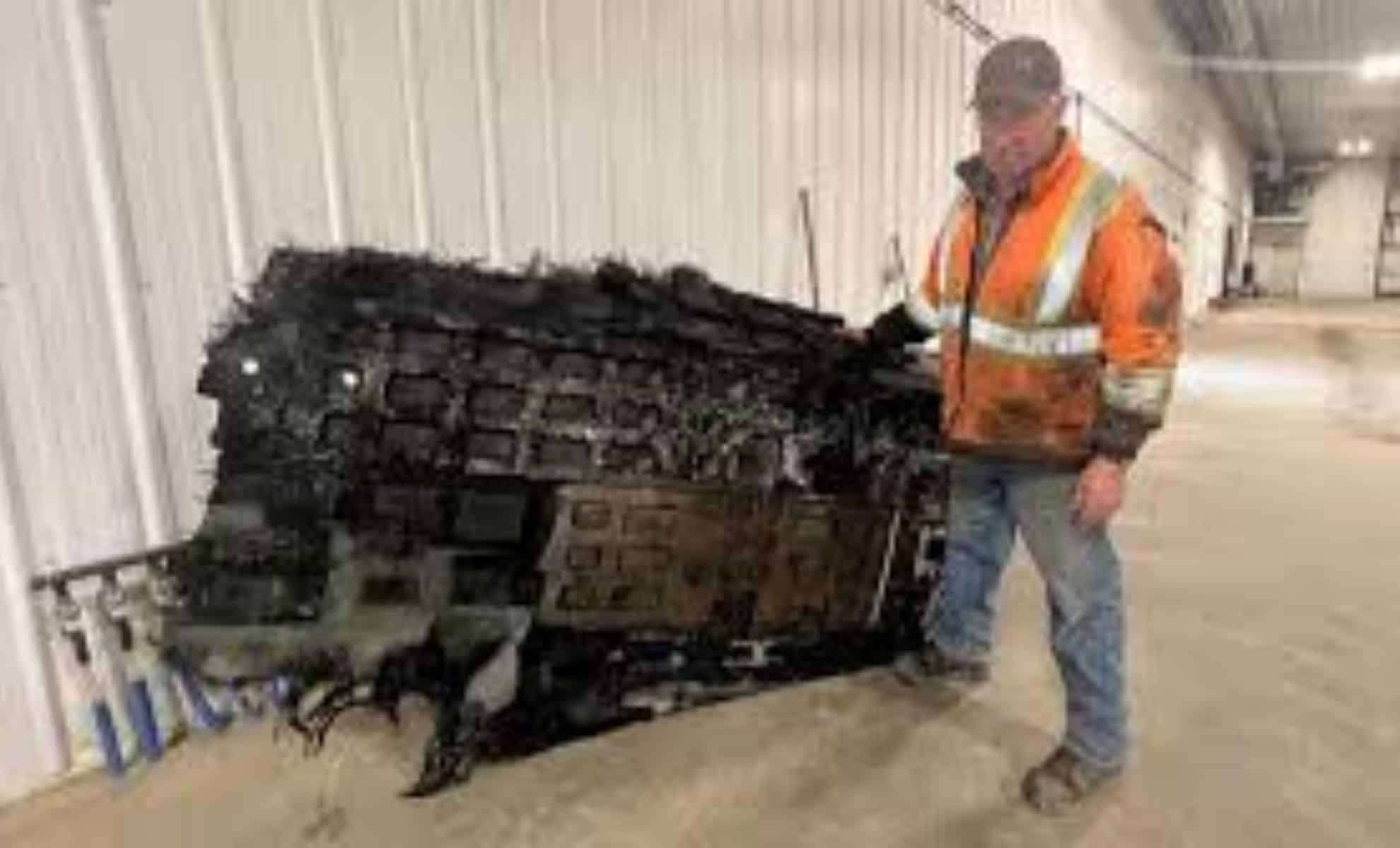
Most recently, in May 2024, debris linked to the Crew-7 trunk was traced to North Carolina. Beyond safety concerns, this debris attracted public interest when the Glamping Collective, a nearby upscale campground, promoted visiting the site, stating, “We invite you to come experience this yourself!” and exhibited the fragments along a hiking path. These events have spurred NASA and SpaceX to rethink and upgrade their reentry strategies to avert similar situations.
Obstacles and Potential Fixes
The trunk section of the Dragon vehicle, which separates prior to the capsule’s deorbit maneuver, has shown a higher survival rate during reentry than previously assumed. Initial modeling, particularly before the Demo-2 mission, did not accurately account for how the trunk behaves on reentry.
Steve Stich, the manager for NASA’s commercial crew program, explained, “We did analysis back before Demo-2 and clearly the models don’t deal with the trunk very well. It’s almost like a thermal protection system.” This implies that the trunk’s composite materials are more durable than expected, contributing to debris reaching the ground intact.
To remedy this, NASA and SpaceX are evaluating modifications to the deorbit sequence. Currently, the trunk detaches before the capsule performs its deorbit burn, leaving it in orbit longer and resulting in unpredictable reentry trajectories. The proposed adjustment involves carrying out the deorbit burn with the trunk still attached, then releasing it afterward, allowing better control over the fall zone for any surviving debris. This tactic aims to deposit debris safely into uninhabited locations, such as open oceans.
Stich detailed the plan, saying, “We’re in the process of doing that work right now. I would love to have something in place next year if we can, but we’ve got to do all the right analysis. We’ve got to make sure that it’s safe for the crew.” Challenges to this include the need for extra fuel to deorbit with the trunk connected and ensuring safe separation post-burn. Engineers are actively examining solutions to implement these changes promptly.
NASA’s Focus on Safety
The problem of space debris falling to Earth extends beyond technical adjustments. For example, in March 2024, a fragment from the ISS battery rack damaged a home in Naples, Florida. This event led to an $80,000 damage claim against NASA. Representing the affected family, attorney Mica Nguyen Worthy emphasized the importance of NASA setting an example in responsible space operations: “Here, the U.S. government, through NASA, has an opportunity to set the standard or ‘set a precedent’ as to what responsible, safe, and sustainable space operations ought to look like. Paying the claim would send a strong signal to both other governments and private industries that such victims should be compensated regardless of fault.”
Furthermore, debris from the Crew-7 trunk found at the North Carolina glamping site has become a public curiosity. The Glamping Collective’s promotion, “We invite you to come experience this yourself!” reflects both risks and fascination associated with falling space debris.
Advancing Reentry Practices
NASA and SpaceX are dedicated to devising effective strategies to manage Dragon spacecraft debris during reentry. Current research aims to guarantee that future fragments land in remote areas, minimizing risks to people and structures. This initiative highlights a broader commitment to responsible and sustainable space endeavors, ensuring technological progress does not compromise safety or environmental stewardship.
As Jeff Foust of SpaceNews has noted, the joint efforts between NASA and SpaceX demonstrate a forward-thinking approach to tackling space debris challenges, securing the safety and success of human space missions. Implementing updated reentry procedures for the Dragon spacecraft will establish a benchmark for upcoming missions, fostering safe and sustainable commercial spaceflight practices.











0 comments
Sign in to Comment