
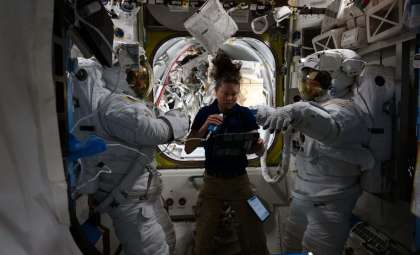
NASA has selected SpaceX to create a dedicated vehicle aimed at safely guiding the International Space Station (ISS) back into Earth’s atmosphere, marking a crucial step toward the station’s planned retirement by the decade’s end.
This initiative highlights the necessity of a secure and controlled approach to retiring the ISS, a cornerstone of global space cooperation for more than 20 years.
Contract Overview and Mission Goals
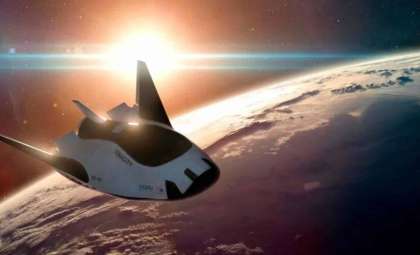
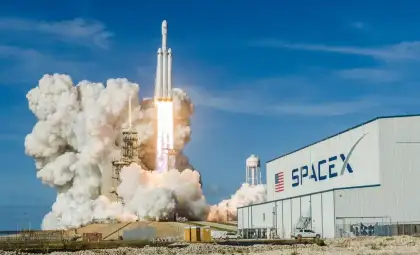
On June 26, NASA revealed it awarded SpaceX a contract with a potential value of $843 million to build the United States Deorbit Vehicle (USDV). This spacecraft will dock with the ISS and execute maneuvers to guide its reentry safely to a remote location in the ocean, such as the South Pacific.

SpaceX has won a $843 million NASA contract to build the US Deorbit Vehicle for the ISS. That vehicle will handle the final deorbit of the station around 2030 (or so).https://t.co/bt9rbvROUR
— Jeff Foust (@jeff_foust) June 26, 2024
Distinct from other ISS-related missions contracted to private firms, the USDV will remain under NASA’s ownership and operational control. Ken Bowersox, NASA’s associate administrator for space operations, highlighted the project’s importance, stating, “Selecting a U.S. Deorbit Vehicle for the International Space Station will help NASA and its global partners execute a secure and responsible low Earth orbit transition as station operations wind down.”
Engineering Priorities and Dependability
Although SpaceX has kept the USDV’s design confidential, the spacecraft is anticipated to be based on the proven Dragon vehicle, well-regarded for reliable crew and cargo missions. NASA’s contract stipulates stringent requirements for operational reliability and system redundancy.
The USDV must deliver flawless performance on its inaugural mission, equipped with strong failure recovery mechanisms to complete the essential deorbit burn. Such dependability is paramount given the complexity of safely retiring the ISS, a vital platform fostering international science and teamwork.
Assessing Options and Justification
NASA arrived at its decision after thorough evaluation of possible alternatives. A detailed report concluded that controlled deorbiting at the end of the ISS’s lifespan is the safest and most practical approach.
Other proposals such as dismantling and returning components to Earth, relocating the station to a higher orbit, or repurposing it in space were rejected due to technical and operational challenges. Transferring ownership to commercial entities was also dismissed, in large part because the ISS is an international asset with multiple stakeholders.
Schedule and Future Plans
The deorbit mission is planned around 2030, with the contract allowing storage of the USDV on the ground until the mid-2030s if needed. This provision allows for possible extension of the ISS’s operational timeline should alternative commercial platforms in low Earth orbit be unavailable by then.
NASA Administrator Bill Nelson emphasized the mission’s urgency during a House Science Committee session in April: “We don’t know what the president of Russia is going to do, and we could be in an emergency situation that we have to get this structure that is as big as a football stadium down, and down safely, in 2031.”
This partnership with SpaceX marks a vital advancement to ensure the ISS’s safe retirement and facilitate NASA’s transition toward future orbital research facilities. The USDV’s development will be a key focus as NASA and collaborators pave the way for continuing international space endeavors.






0 comments
Sign in to Comment