
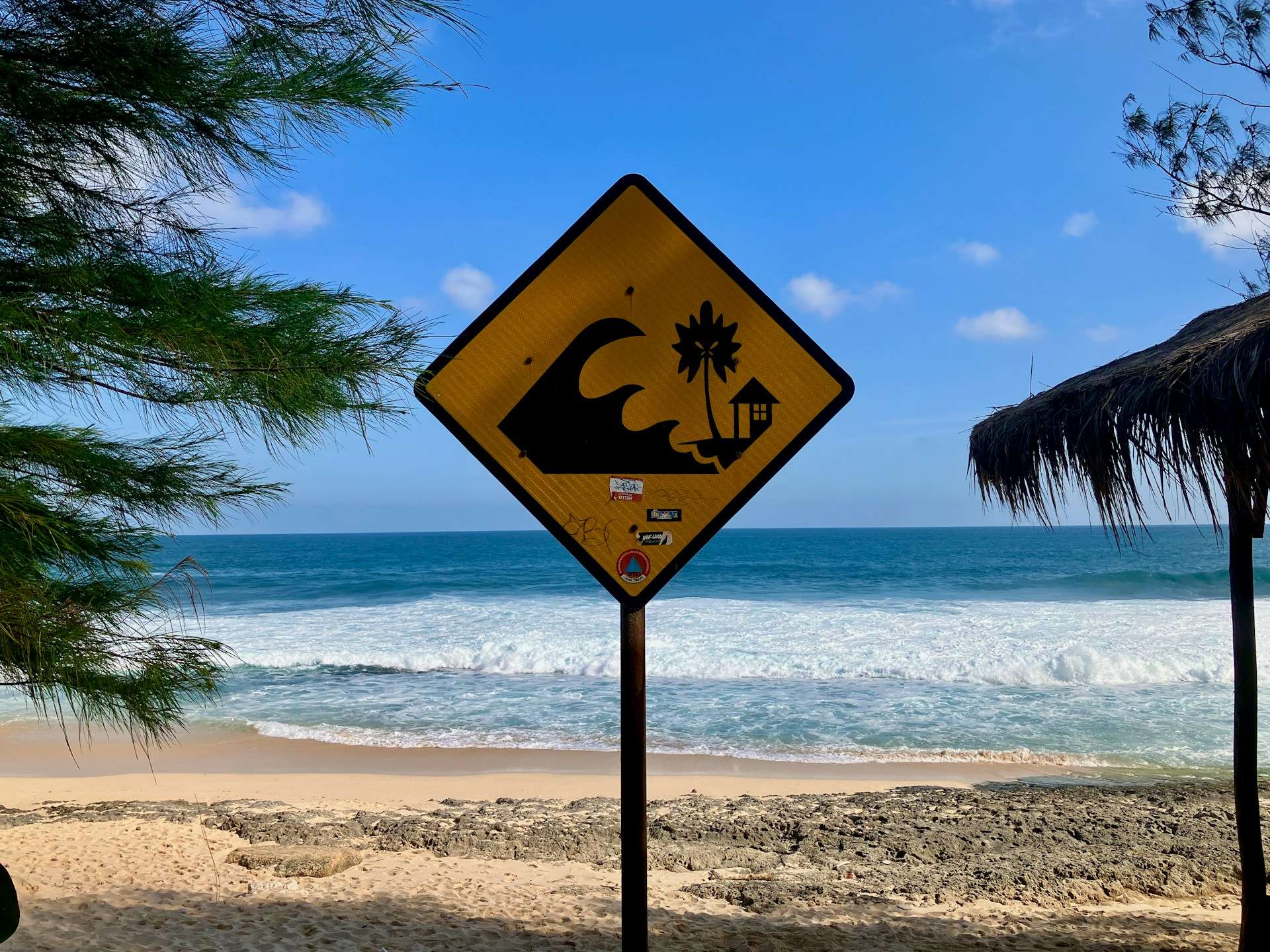
Although tsunamis and tidal waves both have the potential to cause severe destruction, they arise from very different causes. Tsunamis occur as a result of sudden, intense disturbances that shift large amounts of water. Such triggers include:
- Seismic activity beneath the ocean
- Undersea landslides
- Volcanic eruptions underwater
- Impacts from meteorites
Conversely, tidal waves are exaggerated forms of the routine tidal cycles shaped by gravitational forces among Earth, the Moon, and the Sun. These gravitational pulls, when aligned in certain ways, can produce exceptionally high tides, often referred to as tidal waves or storm surges.
Because their origins differ, tsunamis and tidal waves vary significantly in predictability and effects. Tidal waves generally follow consistent, astronomically driven timelines, whereas tsunamis can emerge with little advance notice, making them especially hazardous.

Speed, magnitude, and impact potential
The rates at which tsunamis and tidal waves move, as well as their sizes, greatly influence the damage they can inflict. Tsunamis can surge through open waters at speeds reaching 800 km/h (around 500 mph). Despite traveling so fast, their height in deep water is usually barely noticeable.
When tsunamis reach shallow coastal regions, their speed decreases, but their height increases dramatically. This change can produce towering waves capable of flooding extensive coastal stretches. The immense energy they carry often results in devastating destruction and casualties.
While tidal waves can also swell significantly, they generally don't possess the same level of devastation as tsunamis. Nevertheless, particular environments such as narrow inlets or river estuaries can intensify their effects due to water channeling.
To highlight their differences, here's a comparison:
Trait Tsunami Tidal Wave Speed in open ocean Up to 800 km/h Varies, typically slower Max height near coast Often exceeds 30 meters Usually below 10 meters Geographic extent Can span entire ocean basins Generally localized impact
Monitoring systems and obstacles
Because tsunamis can appear unexpectedly, advanced detection networks have been established. The Deep-ocean Assessment and Reporting of Tsunamis (DART) system is vital for spotting signs of looming tsunamis. This system utilizes offshore buoys that measure pressure changes on the seabed to alert authorities of possible tsunamis.
Despite its value, the DART network faces coverage limitations. Costas Synolakis, who leads the Tsunami Research Center at the University of Southern California, explains: “Currently, about 50 DART buoys cover the Pacific and Indian Oceans, with only about half operational at any given time. We need at least 150 distributed across the world’s oceans for an effective system with targeted alerts.”
Tidal waves, influenced by predictable astronomical cycles, are easier to anticipate. However, when storms and other weather patterns interact with tides, forecasting becomes more complex, increasing risks.
It’s important to note that climate change is increasing ocean noise, which could impair underwater detection systems’ accuracy for both tsunami and tidal wave events.
Risks ahead and readiness strategies
With growing populations near coastlines, the dangers posed by both tsunamis and tidal waves are escalating. UNESCO has issued a warning that there is almost a 100% chance of a tsunami exceeding one meter height in the Mediterranean during the next 30 years. This alarming forecast stresses the urgency of enhancing early warning technologies and raising public awareness.
Coastal regions vulnerable to these waves should adopt effective safety measures, such as:
- Creating detailed evacuation plans
- Building infrastructure designed to withstand tsunamis
- Educating communities about warning signs and safety procedures
- Investing in cutting-edge detection and communication technologies
A thorough grasp of the characteristics that differentiate tsunamis from tidal waves allows communities to tailor their preparedness strategies. Despite both being formidable natural phenomena, understanding their unique causes and behaviors is crucial for effective risk reduction. Ongoing research and improved safety efforts are key to protecting lives and property from these powerful ocean events.
- Categories:
- Climate change










0 comments
Sign in to Comment