
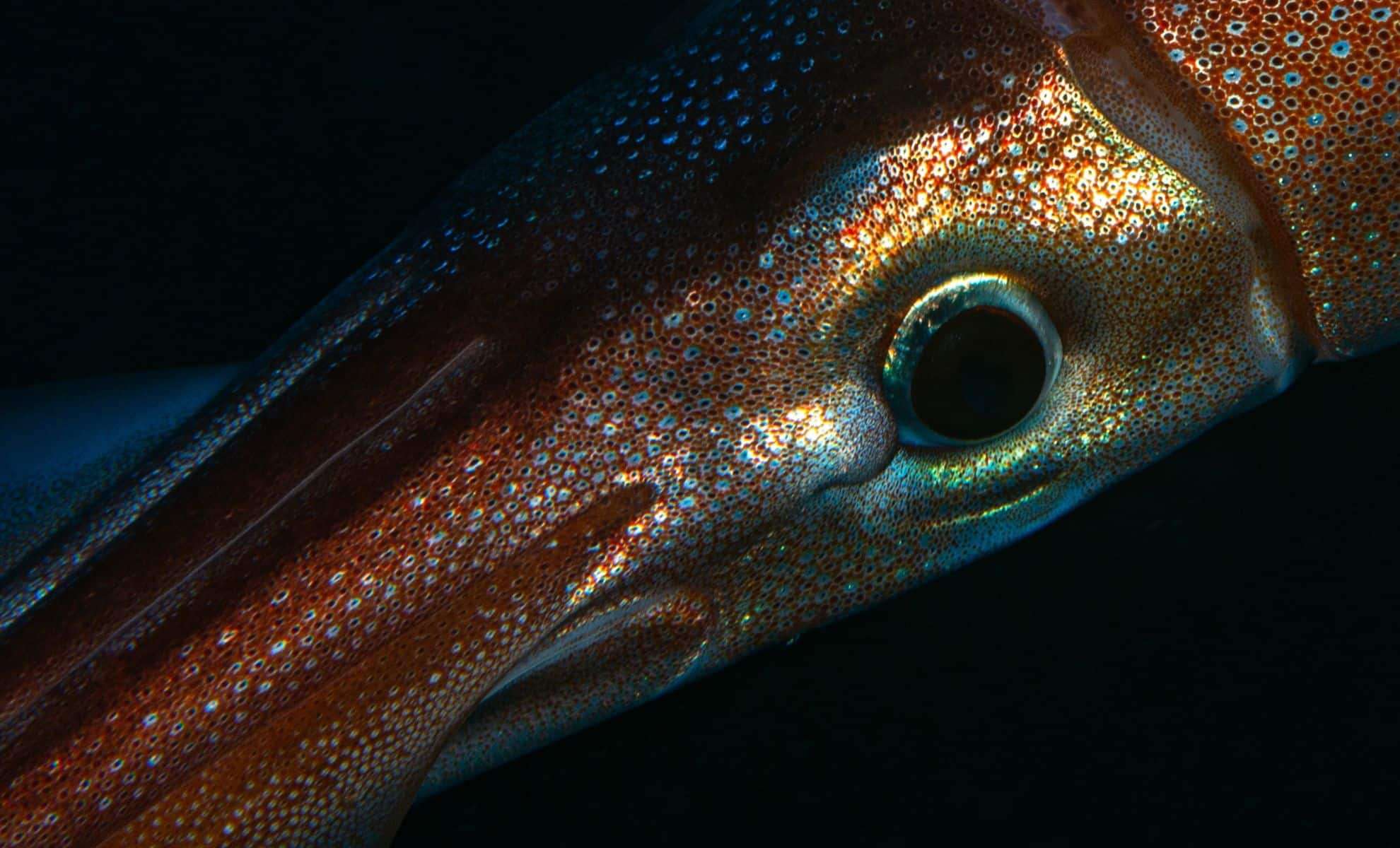
For more than 100 years, the Antarctic gonate squid (Gonatus antarcticus) has remained an enigmatic resident of the deep ocean. Since its initial discovery in 1898, this elusive squid had only ever been encountered post-mortem, either caught in fishing nets or found washed up along remote coastlines.
A Landmark Encounter in the Depths of the Weddell Sea
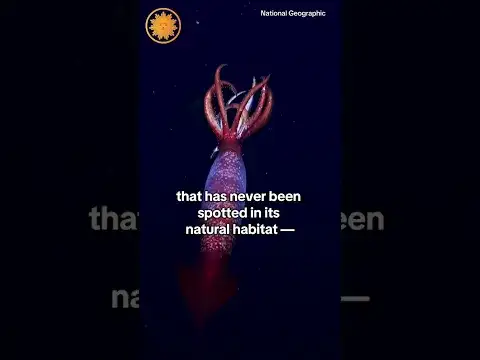
The extraordinary sighting took place near 7,000 feet below the surface in the Weddell Sea, a frigid and isolated region beneath Antarctica. Scientists aboard the Schmidt Ocean Institute’s Falkor (too) vessel deployed the remotely operated vehicle (ROV) SuBastian during a deep-sea exploration when a sudden flash of red caught their attention in the darkness.
The team witnessed a magnificent spectacle: a large squid elegantly gliding through the water column, expelling a plume of greenish ink. For a few precious minutes, the creature hovered around the ROV, allowing scientists to observe its behavior in situ.

The captured video also enabled researchers to adjust the lighting and study the squid’s interactions with the low-light environment. Using laser measurements, they estimated the animal’s dimensions before it quickly vanished into the ocean depths. Kat Bolstad, an environmental scientist from Auckland University who later examined the footage, confirmed the squid’s identity as Gonatus antarcticus, marking the first-ever live recording of this species. “This is, to the best of my knowledge, the first live footage of this animal worldwide,” Bolstad told National Geographic.
Tracing the History of the Antarctic Gonate Squid
The Antarctic gonate squid was initially discovered by Swedish zoologist Einar Lönnberg in 1898, when a deceased specimen washed ashore near the Strait of Magellan, off South America’s southern tip. Subsequent specimens were retrieved from fishing nets, helping scientists differentiate Gonatus antarcticus from its close relative, Gonatus fabricii.
Its distinctive long, slim mantle and elongated tail contrast with other squids, complemented by small tentacle clubs and powerful arms that add to its unique structure. Yet, despite these details, the squid’s behaviors and ecological role remained largely unknown due to the absence of live observations.
Scientists’ understanding was limited mainly to studying dead samples and beaks found inside predator stomachs. The December 2024 footage thus represents a significant leap forward in unveiling the mysteries surrounding this deep-sea dweller.
Adaptive Traits and Deep-Sea Behavior
The recording highlighted the squid’s crucial survival adaptation: its deep red body coloration. In the total darkness of the Weddell Sea’s depths, red wavelengths are absorbed, rendering the animal nearly invisible—an evolutionary strategy shared by many creatures inhabiting the midnight zones of the ocean.
In the video, the squid was observed emitting a greenish ink cloud, likely as a defense response. Although the squid showed signs of good health, several marks on its mantle suggested possible encounters with predators, such as the massive colossal squid.
Researchers hypothesize that these scars might indicate past battles, offering intriguing insights into the interactions between deep-sea species. While the footage advances our understanding, much about the squid's habits and lifestyle remains to be explored.
- Categories:
- News









0 comments
Sign in to Comment