
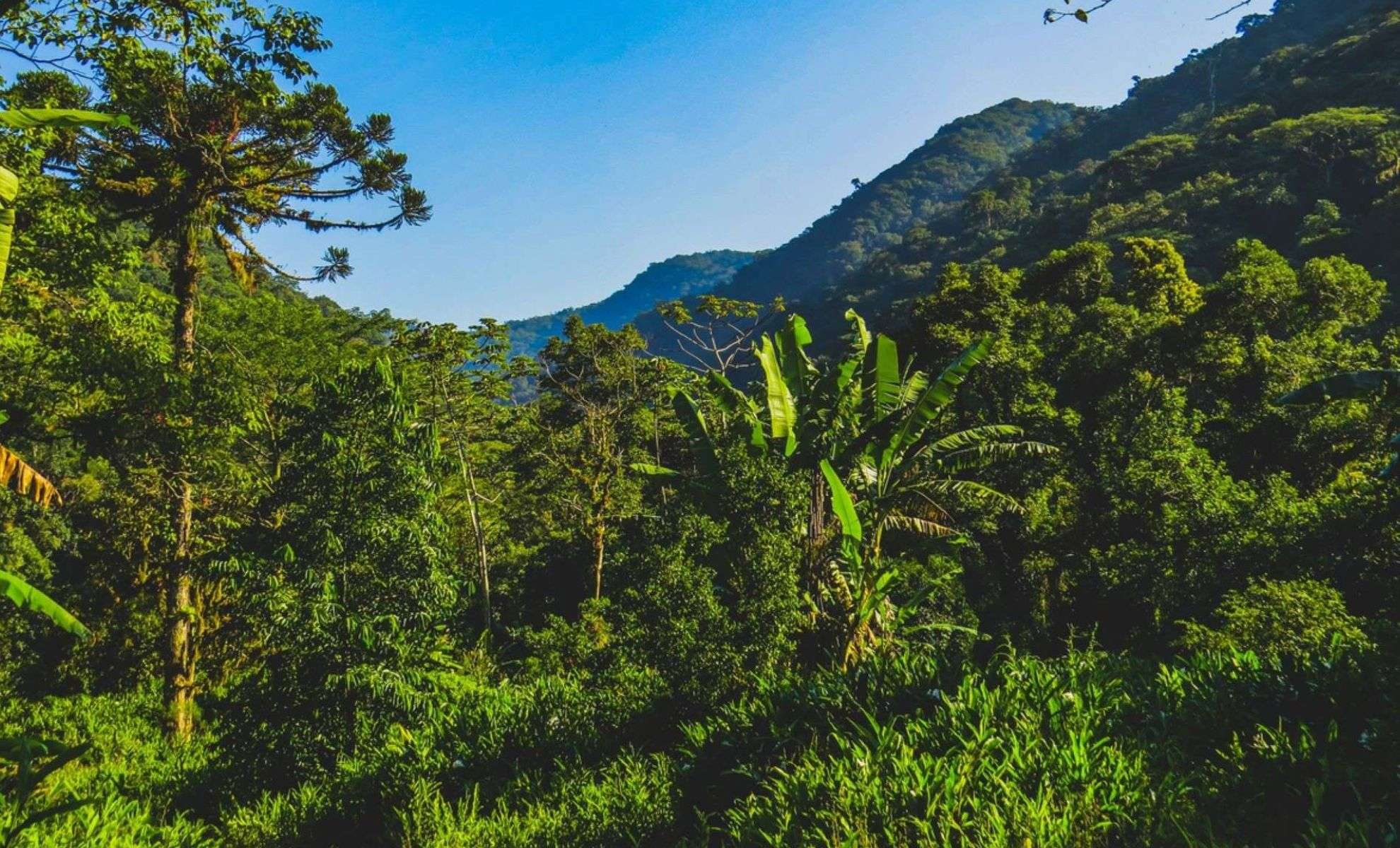
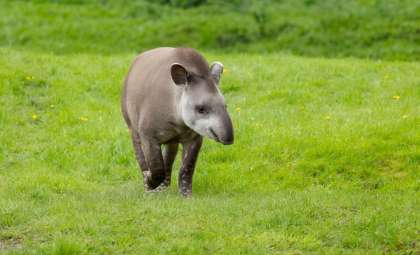
For more than a century, the South American tapir (Tapirus terrestris) was presumed extinct in Brazil’s coastal Atlantic Forest. However, recent hidden camera footage from Cunhambebe State Park has provided astonishing evidence that this large herbivore continues to inhabit the region’s dense rainforests. Experts celebrate this as a pivotal moment showcasing how protected habitats can aid species survival.
The return of a species once thought lost
The last verified record of the South American tapir in Costa Verde was reported in 1914. Since then, widespread deforestation, hunting, and expanding urban areas had nearly eliminated this gentle giant. Yet, new video captured deep within the Atlantic Forest dispels the extinction myth.
Trail cameras set up by the Rio de Janeiro State Institute of Environment (INEA) documented a female tapir along with her offspring, confirming ongoing reproduction and survival in their natural habitat.

This discovery marks a significant breakthrough for the region's largest terrestrial mammal. Scientists had feared that deforestation and poaching had eradicated local tapir populations, but these images reveal they have persisted, hidden in the forest’s depths.
A vital ecosystem engineer
Often called the “forest gardener,” the South American tapir plays a crucial ecological role by spreading seeds from the fruits and plants it eats, which promotes forest growth and regeneration. Its return is expected to have significant impacts on restoring the health of its native environment.
Despite this hopeful sign, the species faces ongoing threats. Although the recent sighting in Cunhambebe State Park is encouraging, tapir numbers continue dropping across South America due to slow breeding, high infant death rates, and ongoing destruction of habitat.
Protected areas proving effective
This remarkable rediscovery underscores the importance of conservation zones. Covering 38,000 hectares, Cunhambebe State Park was created in 2008 to safeguard rainforest ecosystems, providing refuge to many imperiled species. The tapir family documented there is a testament to the park’s success.
INEA highlights that this finding “demonstrates the critical value of safeguarding natural spaces and conservation initiatives in bringing back iconic wildlife.” The park remains an indispensable sanctuary for biodiversity preservation.
Ongoing conservation challenges
While this rediscovery sparks optimism, ensuring the tapir’s survival demands continuous efforts. The species is still considered endangered, and protecting and expanding safe habitats is essential to their future.
This breakthrough is not only a conservation milestone but also a call to action. Immediate steps could halt extinctions, revive threatened species, and secure wildlife futures once thought lost. The South American tapir’s comeback offers hope, but its destiny now depends on sustained protection.
First published on January 29, 2025.
- Categories:
- Nature













0 comments
Sign in to Comment