
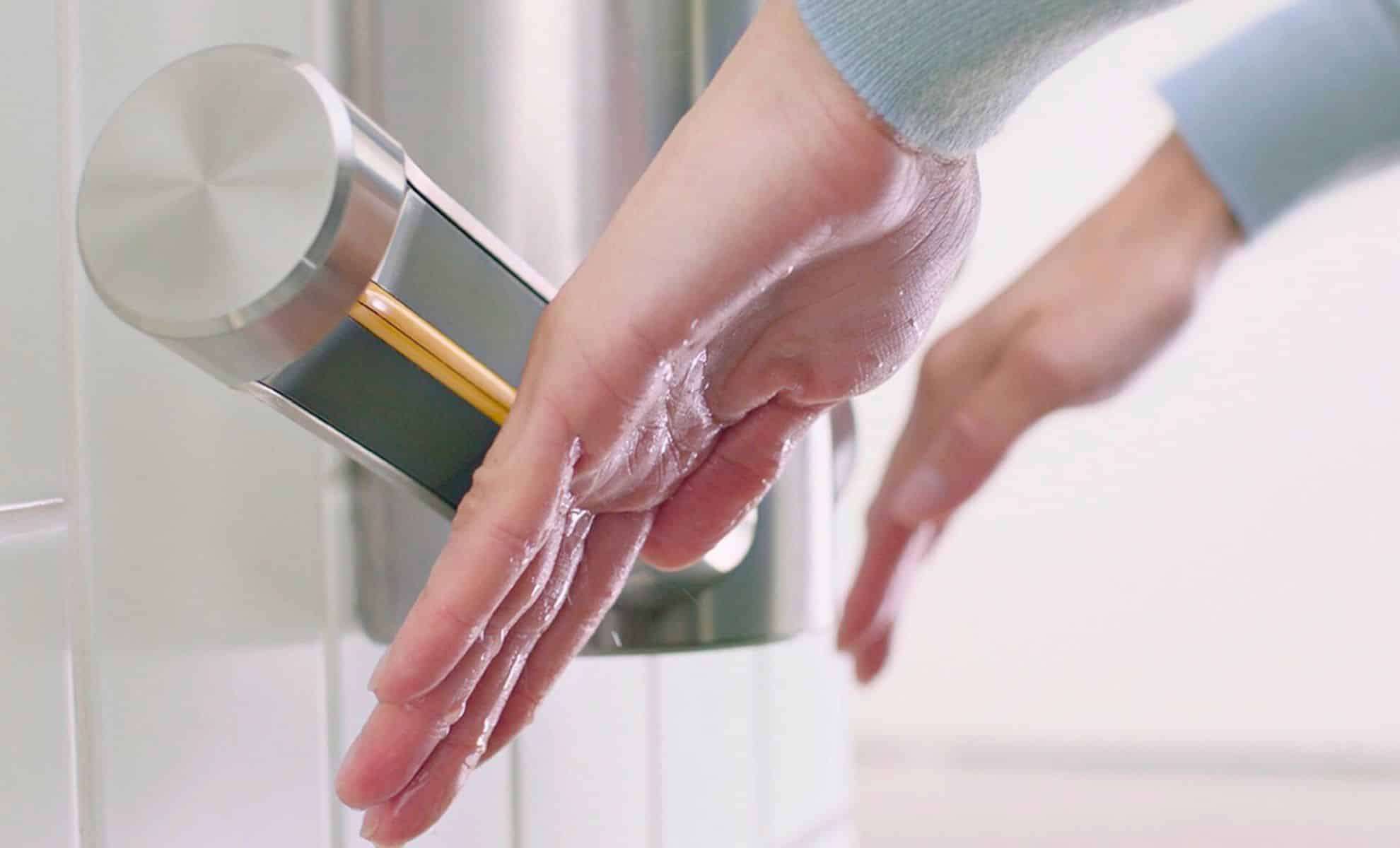
Devon Science, a scientist popular on TikTok, conducted a revealing experiment to determine the level of bacterial contamination transferred when using hand dryers in public restrooms. The surprising results point to these devices potentially spreading more germs than they eliminate.
Revealing the Microbial Presence in Hand Dryers
With a simple setup involving petri dishes, Devon Science designed a straightforward yet effective method. One dish was placed directly beneath a hand dryer to collect any microorganisms emitted, while another served as a control, remaining exposed to sterile laboratory air.
The following day brought shocking observations: the dish positioned under the dryer displayed extensive bacterial growth featuring yellow, black, and white colonies, whereas the control dish remained uncontaminated. This suggests that hand dryers can blow bathroom contaminants directly onto users’ hands.

Common Microorganisms Discovered
The samples uncovered various microbial contaminants, some recognized as harmful pathogens:
- Staphylococcus aureus: A frequently encountered bacterium capable of causing skin and respiratory infections.
- Escherichia coli (E. coli): Typically linked to fecal contamination, this bacterium is a common bathroom pathogen easily transmitted through contact.
- Fungal Spores: Identified by black spots, these spores can exacerbate respiratory conditions, particularly in individuals with allergies or weakened immune defenses.
These findings highlight that hand dryers not only dry hands but may also disperse a variety of potentially harmful bacteria and fungi.
@devonscienceUrghh, don’t use a hand dryer😱🦠 —– Update: thank you for all your comments & suggestions. Totally blown away by how far this little video has reached 😮 I’m planning on doing some update videos on this experiment and will post on here, as well as on our FB & IG pages, which you are welcome to follow as well 😉 Thank you, Ruth (from Devon Science) #germs #publictoilet #bacteria #dirty #gross #justdont #scienceteacher #handwashchallenge #handdryer #science #scienceexperiments #microbiology #scienceproject #lesson #handdryer #handdryerbacteria
♬ original sound – Devon Science
The Bacterial Spread Mechanism of Hand Dryers and Why It Matters
The design of hand dryers combined with the forceful air currents they generate plays a major role in spreading bacteria:
- Rapid Airflow Speed: Hand dryers can blast air at velocities reaching 400 mph (643.74 km/h), propelling bacteria and other microscopic particles from restroom surfaces into the surrounding air.
- Contamination Within the Device: Devon Science also swabbed the interior of the dryer, revealing a visibly dark residue packed with bacteria. This contamination inside the machine’s components can become airborne during use, landing on skin, face, or lingering in the restroom environment.
Consequently, activating a hand dryer might inadvertently disperse microbes throughout the bathroom atmosphere.
Can HEPA Filters and UV Light Provide Effective Protection?
Some modern hand dryers incorporate advanced features to address contamination concerns:
- HEPA Filtration: Certain models utilize High-Efficiency Particulate Air filters capable of trapping about 99.97% of microscopic particles as small as 0.3 microns, potentially reducing the spread of germs. However, these filters are not yet standard in public hand dryers.
- Ultraviolet Sterilization: A limited number of newer dryers employ UV light technology to eliminate bacteria within the device. Though promising, this approach is still being refined and has yet to become widespread.
Time for a Public Health Reevaluation?
The widespread attention this experiment has gained reflects growing concern over the hygiene impact of hand dryers. From healthcare workers rethinking restroom sanitation to individuals preferring alternative drying methods, the issue demands serious consideration. For those mindful of hygiene, switching to traditional hand drying might be a safer choice.
- Categories:
- Health









0 comments
Sign in to Comment