
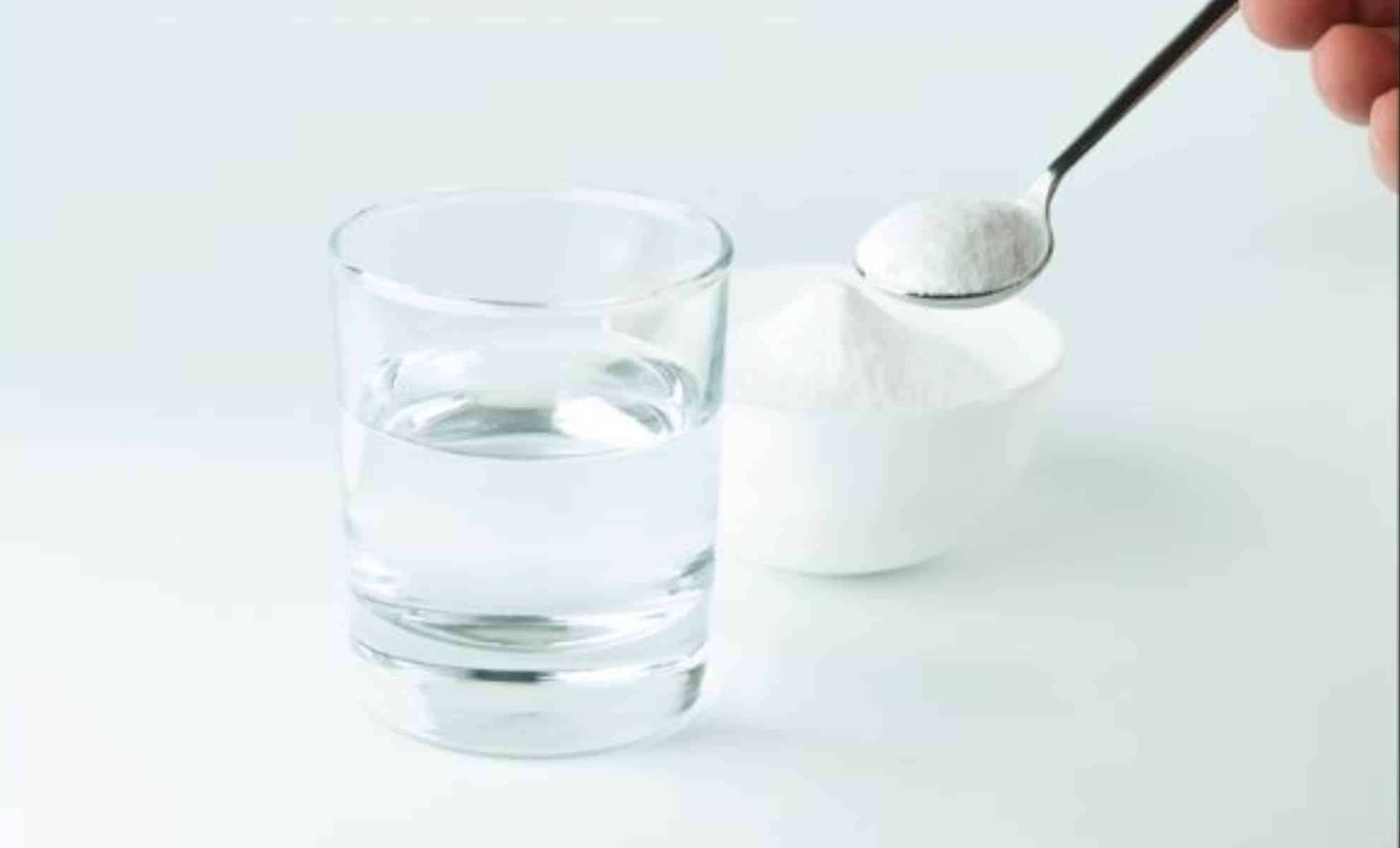
Baking soda, a common household product, has gained attention as a health aid with claims ranging from boosting exercise capacity to easing acid reflux symptoms.
The Science of Baking Soda and Its Effects on Your Body
Sodium bicarbonate, commonly known as baking soda, is an alkaline substance made up of sodium, hydrogen, carbon, and oxygen atoms. It is widely recognized for its acid-neutralizing properties, which is why it’s a frequent component in antacid remedies for heartburn and digestive discomfort.
When mixed with water, baking soda increases the pH level of the solution, rendering it more alkaline. This characteristic underpins the idea that consuming baking soda water may balance bodily pH, potentially easing acid-related ailments.

Nevertheless, the body tightly controls its internal pH, especially in the blood, which is usually maintained within a narrow range of 7.35 to 7.45. Registered dietitian and spokesperson Grace Derocha highlights, “Our bodies possess sophisticated mechanisms to keep pH within this narrow window.”
She also warns that although baking soda can neutralize stomach acid, frequent intake may disrupt pH homeostasis, causing metabolic alkalosis—a hazardous condition where blood becomes excessively alkaline.*
Exploring the Benefits: What Research Reveals About Baking Soda Water
One well-known benefit attributed to baking soda water is its potential to enhance physical performance. During strenuous activity, muscles accumulate hydrogen ions, increasing acidity and leading to tiredness and reduced efficiency. Dr. Tamara Hew-Butler, an exercise physiologist at Wayne State University, explains that ingesting baking soda before workouts may help neutralize this acid build-up, enabling athletes to sustain more intense exertion for longer.
Scientific studies report that athletes who take baking soda prior to activities like cycling or rowing often experience delayed muscle fatigue. Dr. Hew-Butler notes, “Baking soda ingestion can extend muscular endurance.” Yet, she cautions that proper timing and amount are essential, as excessive consumption can cause stomach upset, including nausea, bloating, and diarrhea, which may undermine performance.
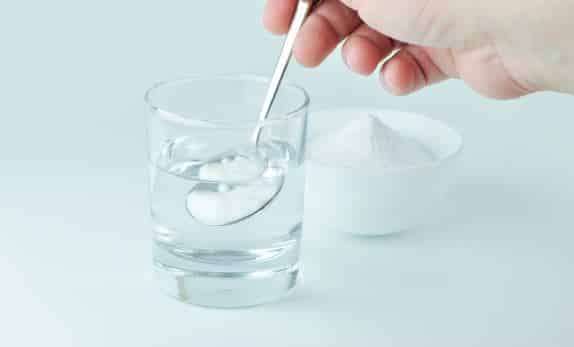
Apart from its potential effects on exercise and heart health, baking soda is also valued for aiding digestion and easing indigestion symptoms. Registered dietitian Jennifer Christman explains that baking soda’s basic nature helps to neutralize stomach acid, offering relief from heartburn or sour stomach. She says, “Many people find a spoonful of baking soda in water can soothe indigestion,” attributing this to its ability to reduce acidity.
Nutrition specialist Britt Brandon adds that baking soda may also help alleviate excess gas by bringing the body’s pH back to neutral. This can calm digestive functions, allowing proper breakdown of food without discomfort. Brandon further suggests that consistent baking soda water intake might enhance kidney function by balancing pH, stabilizing hormones, and aiding nutrient uptake.
The Dangers: Why Excessive Baking Soda Intake Can Harm Health
Despite the perks, too much baking soda carries risks. Overuse or prolonged intake can trigger serious health complications. Metabolic alkalosis, where blood pH becomes overly alkaline, can interfere with vital functions like heart rhythm and blood pressure control. Symptoms may include confusion, muscle spasms, trembling hands, and, in extreme cases, seizures or loss of consciousness.
Additionally, baking soda is rich in sodium; a single teaspoon packs over 1,200 mg of sodium, close to 80% of the daily recommended limit for most adults set by the American Heart Association. High sodium consumption is associated with hypertension, heart disease, and stroke, making regular baking soda water use risky, especially for those with heart conditions. Registered dietitian Frances Largeman-Roth advises, “Individuals on sodium-restricted diets or with high blood pressure should avoid baking soda supplements.”
Baking soda can also interact negatively with medications, affecting their efficacy or increasing adverse effects. People on treatments for hypertension, kidney ailments, or chronic heart failure should seek medical advice before considering baking soda use.
Professional Recommendations: Safe Ways to Use Baking Soda
Due to the potential hazards, health experts recommend limited and supervised use of baking soda. Grace Derocha notes, “There is no one-size-fits-all dose—what benefits one person might harm another.” For occasional acid reflux relief, small amounts such as ¼ teaspoon dissolved in water might be adequate but shouldn’t become routine.
Dr. Hew-Butler also warns against self-administering baking soda for athletic gains without understanding correct dosage and timing, saying, “Improper use can lead to side effects that outweigh any benefits.”
Ultimately, while drinking baking soda water could provide certain health advantages, it’s not a universal remedy and must be approached cautiously. Gaining insight into its physiological effects and consulting healthcare professionals can help minimize the risks linked to inappropriate usage.















0 comments
Sign in to Comment