
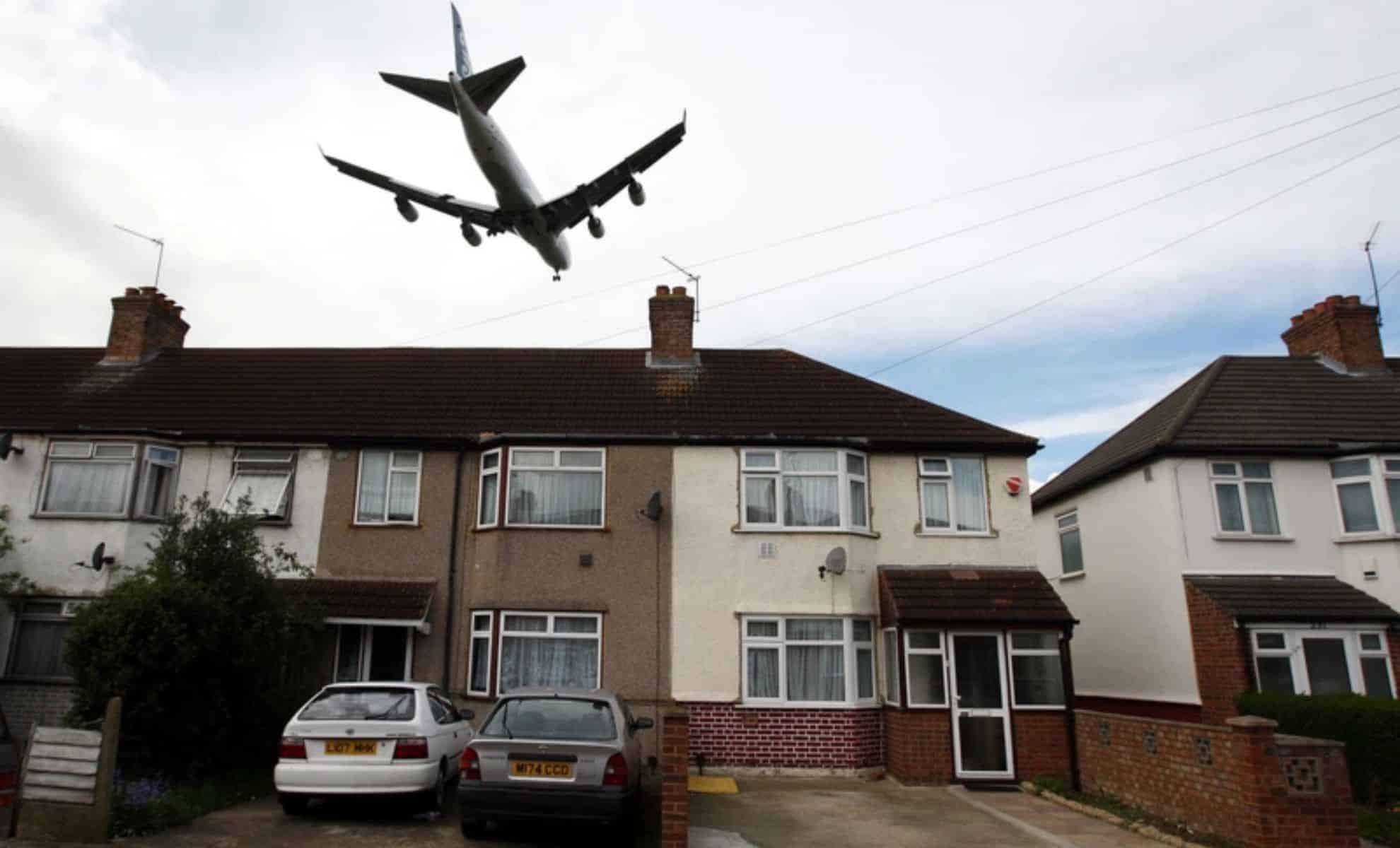
Residing near a busy airport might affect more than just your sleep patterns; it could also pose risks to your heart. Recent research conducted by experts at University College London (UCL) has uncovered a concerning link between long-term exposure to aircraft noise and alterations in heart structure and function, highlighting potential cardiovascular dangers for nearby residents.
Published in the Journal of the American College of Cardiology, the study presents strong evidence that environmental noise, especially during nighttime, could profoundly impact heart wellness.
The Effects of Aircraft Noise on Cardiac Health
The investigation included 3,635 participants living close to major English airports such as Heathrow, Gatwick, Birmingham, and Manchester. By analyzing cardiac imaging data, researchers detected structural heart changes in individuals exposed to high levels of aircraft noise. These changes manifested as thickened, less elastic heart muscles, impeding the heart’s capacity to pump blood efficiently.

This diminished cardiac output precedes various cardiovascular issues including heart attacks, strokes, and irregular heartbeats. The team suggested that noise exposure intensifies stress responses and activates the sympathetic nervous system, leading to higher blood pressure and increased release of stress hormones like cortisol.
The Detrimental Impact of Nighttime Noise on Sleep
The study emphasized that nighttime noise has a particularly damaging effect. Interruption of sleep due to aircraft noise during night hours plays a vital role in cardiovascular health. Lack of adequate sleep raises stress levels and contributes to chronic conditions such as hypertension, diabetes, and obesity, all of which significantly increase heart disease risks.
Dr. Gaby Captur, the study’s lead researcher, highlighted the observational study’s significance. “Until recently, the medical community had limited awareness that noise pollution independently elevates cardiovascular disease risk,” she remarked.
How Noise Pollution Damages the Heart at a Biological Level
Noise pollution disrupts the body’s stress regulation systems. Persistent exposure to loud sounds such as aircraft noise causes stress hormone surges that can:
- Increase Blood Pressure: Continuous noise exposure raises blood pressure, burdening the cardiovascular system.
- Trigger Inflammation: Stress hormones may activate inflammatory responses that contribute to arterial hardening or atherosclerosis.
- Interrupt Sleep Patterns: Noise disturbs deep sleep phases essential for heart recovery and repair.
These physiological effects trigger a cascade of health complications, particularly for people already vulnerable to heart diseases.
Heightened Risk of Cardiovascular Events
Findings indicate that individuals exposed to aircraft noise are more likely to suffer from serious cardiac incidents. For those with existing heart conditions, the risk of events such as heart failure or arrhythmias can be up to four times greater. These results underline the urgent need to reduce noise pollution around airport vicinities.
Professor Anna Hansell, one of the co-authors, stressed that noise pollution extends beyond mere annoyance to a significant public health threat. “Aircraft noise during nighttime disrupts sleep quality and can seriously affect overall health,” she noted.
Strategies to Mitigate Aircraft Noise Impact
Tackling the health hazards linked to aircraft noise requires comprehensive efforts. Collaboration among governments, airport operators, and city planners is essential to implement effective noise reduction policies, such as:
- Development of Quieter Aircraft: Enhancements in engine design and noise-reducing flight operations can lessen noise emissions.
- Enforcing Urban Planning Measures: Zoning regulations can discourage residential building in high-noise areas near airports.
- Improving Home Sound Insulation: Installing double-pane windows and soundproofing can minimize indoor noise disturbance.
- Implementing Nighttime Flight Restrictions: Limiting flights during late hours can reduce noise exposure during critical sleep periods.
While these solutions might take time to apply broadly, individuals living near airports can undertake personal steps to shield their cardiovascular health.
Personal Health Measures to Counter Noise Effects
In addition to environmental solutions, residents exposed to aircraft noise can adopt lifestyle habits that support heart health:
- Healthy Eating Habits: A balanced diet rich in nutrients enhances cardiovascular function.
- Regular Physical Activity: Exercise strengthens heart muscle and overall endurance.
- Managing Existing Conditions: Adequate control over illnesses like high blood pressure and diabetes lessens cardiac strain.
- Stress Reduction Techniques: Mindfulness practices such as meditation and yoga can alleviate stress induced by environmental noise.
While not a replacement for addressing the root causes of noise pollution, these measures can help individuals minimize noise-related cardiovascular risks.
- Categories:
- Health












0 comments
Sign in to Comment