
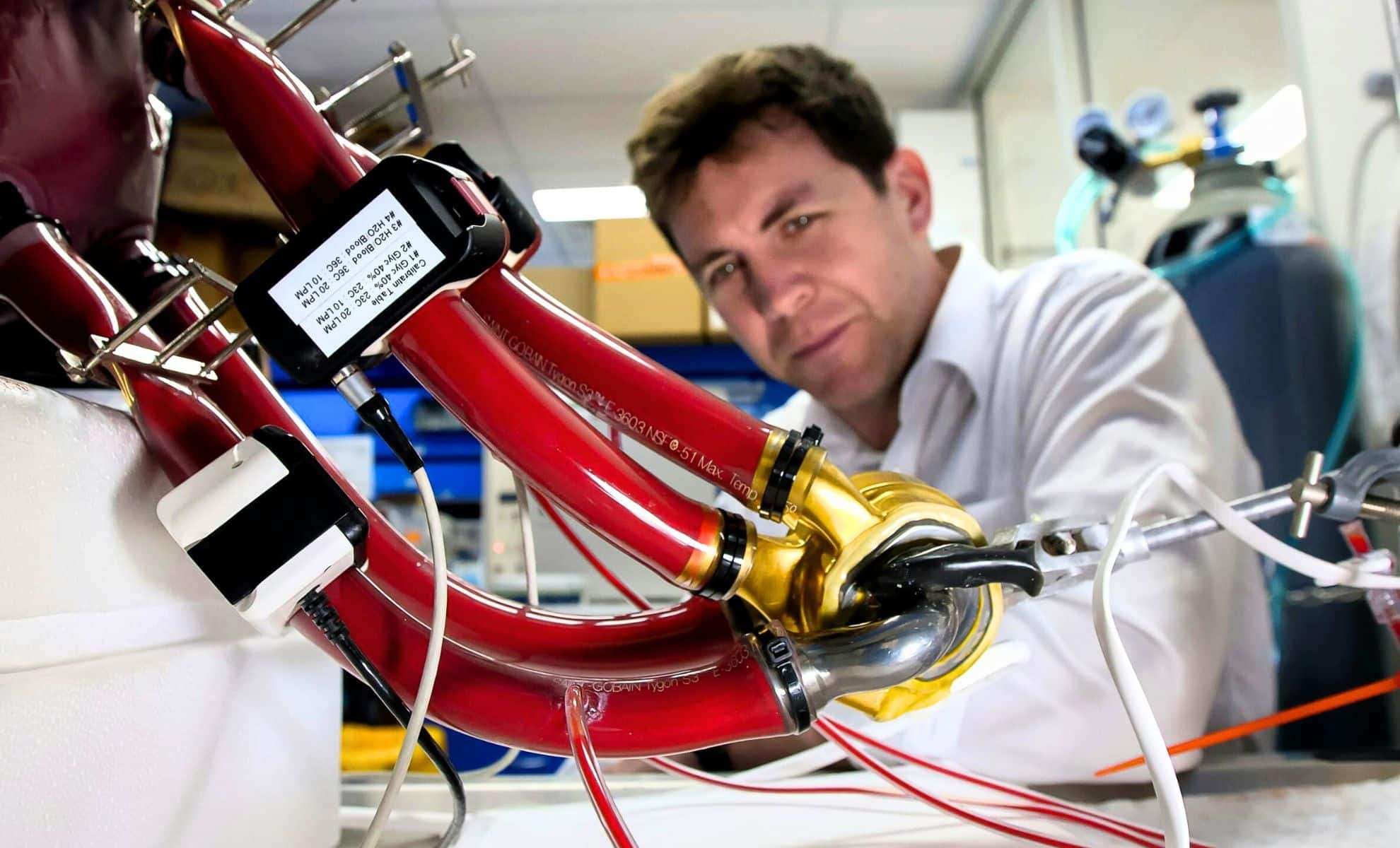
A landmark achievement in cardiovascular medicine was recently accomplished when a 58-year-old American patient received the first-ever titanium artificial heart implant. This cutting-edge procedure took place at the renowned Baylor St. Luke’s Medical Center in partnership with the Texas Heart Institute, both situated in Houston, Texas. The novel device sustained the patient for eight critical days before a donor heart was successfully transplanted, demonstrating the technology’s life-saving promise for individuals awaiting transplants.
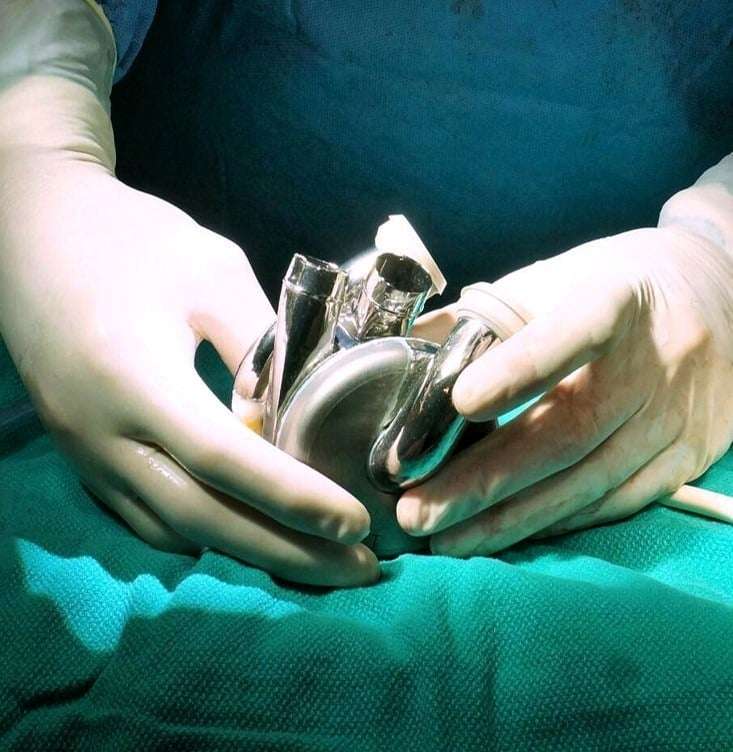
The BiVACOR Total Artificial Heart (TAH), engineered by Australian innovator Dr. Daniel Timms and his research team, presents a durable yet lightweight design constructed from titanium. Setting itself apart from earlier models, this artificial heart incorporates a magnetically levitated rotor system, eliminating mechanical valves and greatly lowering the chances of device failure. This advancement is a vital answer to the global shortage of donor hearts.
An Engineering Feat: How the Device Operates
Departing from traditional artificial hearts that imitate natural heartbeats, the BiVACOR TAH relies on a rotor inspired by maglev train technologies. This single magnetically suspended rotor moves blood seamlessly throughout the body without direct contact, providing a frictionless pumping mechanism. This approach reduces degradation, enabling reliable operation over extended periods.

Key Characteristics of the BiVACOR Heart
- Material Strength: Made from corrosion-resistant titanium, ensuring exceptional durability.
- Compact Design: Sized suitably for most adult patients, including females, offering improved compatibility.
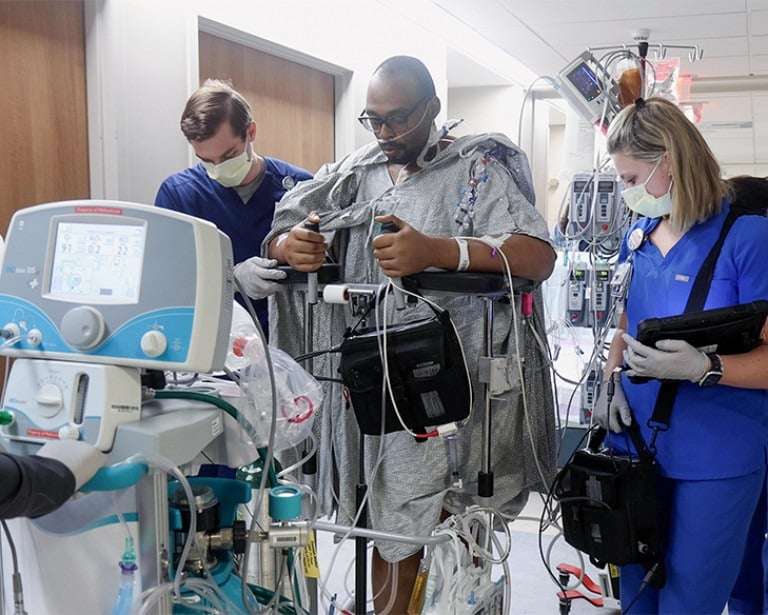
- External Management: Operated and monitored via a portable external controller, enhancing patient mobility and ease of use.
This innovative device proved capable of maintaining circulation even during physical exertion, highlighting its robustness across different physiological states.
An Interim Lifeline for Transplant Candidates
With global heart transplant numbers capped at fewer than 6,000 annually, donor availability remains a severe challenge. The BiVACOR heart offers a crucial temporary lifeline by maintaining circulatory support until a donor organ can be allocated. This extension provides a vital window to locate suitable hearts.
The device implantation took place on July 9, 2024, as part of an FDA-sanctioned trial evaluating its practical application and safety profile. It functioned impeccably throughout the eight-day period until a donor organ was procured on July 17, 2024. The patient has since undergone a successful heart transplant and remains in good condition, according to the latest information from the Texas Heart Institute.
The Future Prospects of Artificial Heart Solutions
BiVACOR’s breakthrough has the capacity to revolutionize artificial heart technology. Building on this initial success, the company plans to enroll four additional recipients in ongoing clinical studies designed to enhance the heart’s reliability and explore its use as a long-term support device.
Future advancements aim to position artificial hearts as a permanent therapeutic option for individuals suffering from end-stage heart failure.












0 comments
Sign in to Comment