
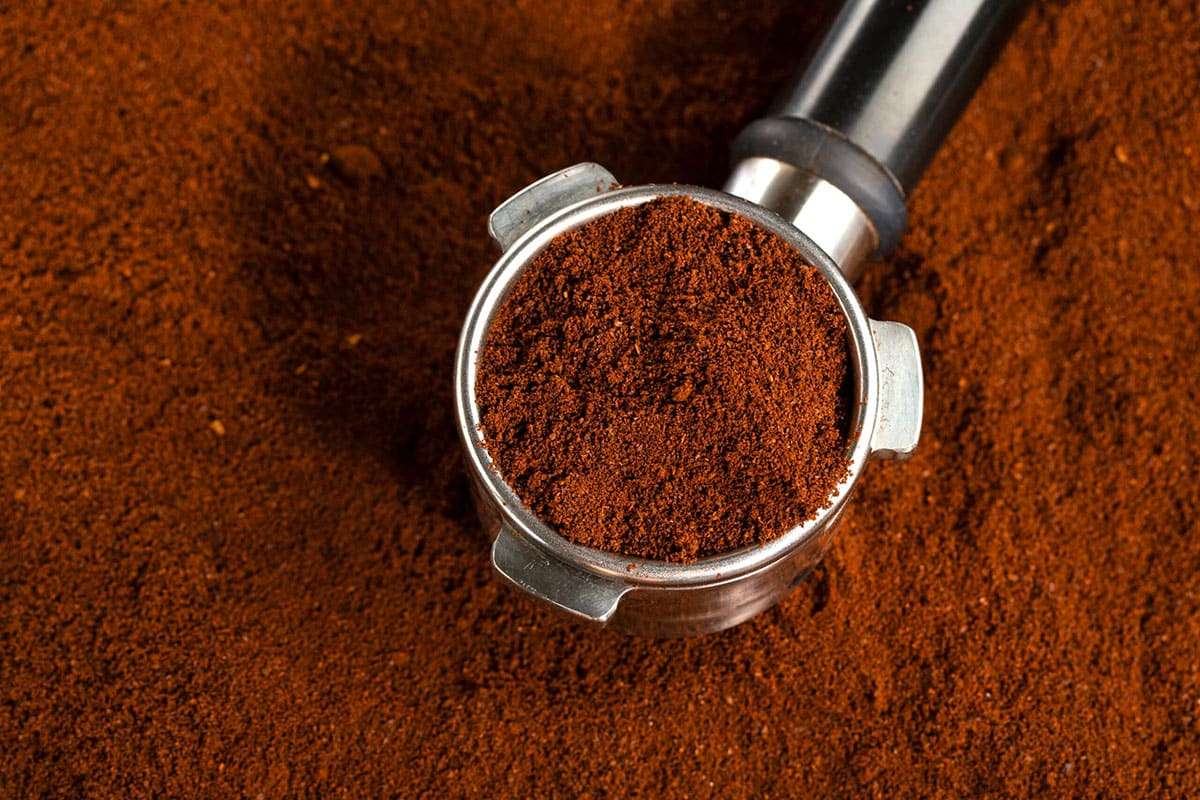
Australian scientists have discovered an ingenious way to repurpose used coffee grounds. By converting and integrating charred coffee residue into concrete mixtures, they've developed a composite material that boasts 30% greater strength than standard concrete. This inventive method offers an avenue to address multiple environmental issues simultaneously.
Globally, around 10 billion kilograms (22 billion pounds) of coffee waste are produced annually, most of which is discarded in landfills. Rajeev Roychand, an engineer at RMIT University, highlights, “The breakdown of organic waste in landfills generates significant greenhouse gases like methane and carbon dioxide, exacerbating climate change.”
This breakthrough aligns with a circular economy framework, turning discarded materials into valuable resources. Incorporating coffee grounds into concrete not only diverts organic waste from landfills but also conserves natural resources such as sand.

Converting coffee grounds to biochar through pyrolysis
The secret behind this advancement is a technique called pyrolysis. Directly adding raw coffee grounds to concrete weakens its structure, as these grounds release compounds that compromise material strength. To counter this, researchers applied a low-energy pyrolysis process, heating coffee waste to over 350 °C (around 660 °F) in an oxygen-deprived environment.
This treatment breaks down organic substances, producing a porous, carbon-enriched charcoal known as biochar. The biochar particles integrate with the cement matrix, bolstering the concrete's resilience and structural integrity.
Additionally, the research team tested pyrolysis at 500 °C but discovered the resulting biochar did not enhance strength as effectively. This underlines the critical role precise temperature control plays in optimizing biochar for concrete use.
Environmental advantages and future directions
The environmental impact of this innovation could be far-reaching. Recycling coffee waste reduces landfill volumes, which helps lower greenhouse gas emissions linked to climate change.
It also presents an opportunity to reduce the construction sector's dependency on natural sand, the extraction of which significantly harms ecosystems. RMIT engineer Jie Li remarks, “The aggressive global extraction of natural sand—mainly from riverbeds and banks—to support construction is causing considerable environmental damage.”
This promising research paves the way for enhanced waste management and greener construction techniques. The team is extending their scope to create biochars from diverse organic wastes, including:
- Wood residues
- Food scraps
- Agricultural byproducts
Such innovations could foster a future that is both environmentally sustainable and resource-efficient, benefiting waste management and building industries alike.
Ongoing challenges and research plans
While the findings are encouraging, the scientists acknowledge that more extensive testing is essential to verify the long-term performance of coffee-enhanced cement. Current evaluations focus on the material's resilience against factors such as:
Stress FactorTesting MethodFreeze/thaw cyclesRepeated temperature fluctuationsWater absorptionExposure to moisture and submersionAbrasion resistanceSimulated surface wear
Shannon Kilmartin-Lynch of RMIT notes, “Although at an early stage, our study offers a novel solution for drastically cutting organic waste destined for landfills.” The approach draws inspiration from Indigenous values emphasizing Caring for Country, promoting sustainable life cycles and reducing ecological harm.
As the project advances, it could spark pioneering breakthroughs across environmental sciences. Repurposing coffee grounds into construction materials might encourage similar innovations with other organic wastes, accelerating the move toward a sustainable circular economy.
With further refinement, this technology has the potential to revolutionize waste management and construction industries by transforming a common discard into a valuable asset. We may be witnessing a pivotal development in sustainable materials science and environmental responsibility.
- Categories:
- Science









0 comments
Sign in to Comment