
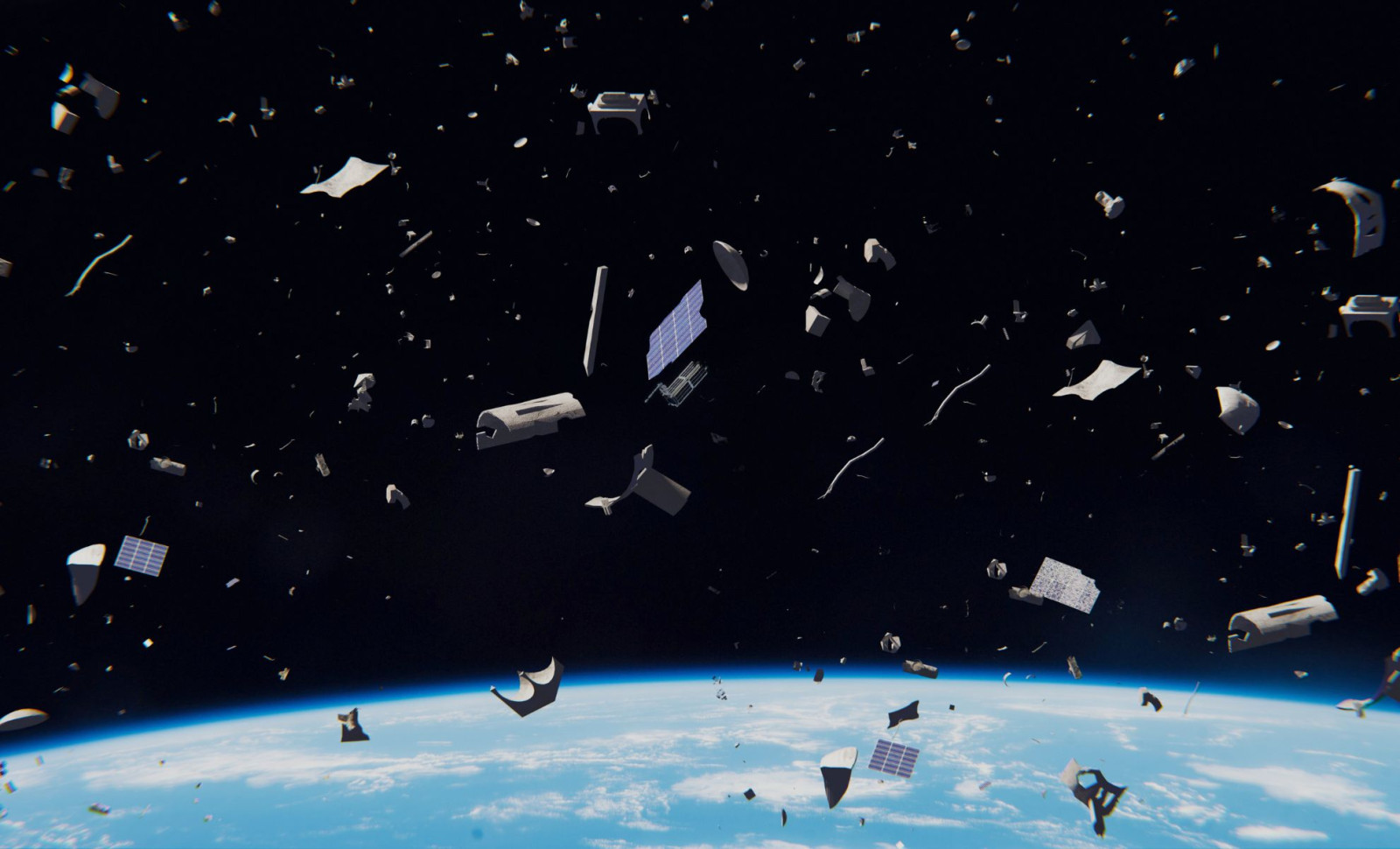
Two pioneering companies, Portal Space Systems and Paladin Space, have joined forces with an ambitious objective: to clear the clutter of orbital debris efficiently and affordably by 2027. With countless fragments drifting around Earth, their collaboration aims to safeguard vital space assets and infrastructure from increasing hazards.
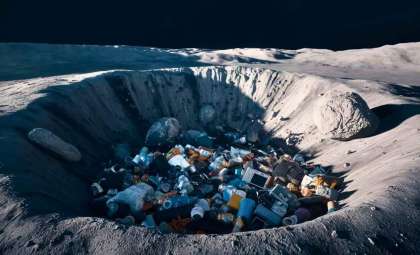
Orbital debris has become a mounting challenge. Scientists estimate there are roughly 130 million pieces of waste in Earth's orbit, ranging from microscopic particles to large, inactive satellites and rocket parts. This accumulation endangers operational satellites and complicates safe space exploration. While some entities have experimented with debris catching technologies, Portal and Paladin envision transforming this into a comprehensive service capable of removing multiple objects in a single mission.
Cutting-Edge Solutions for Orbital Cleanup
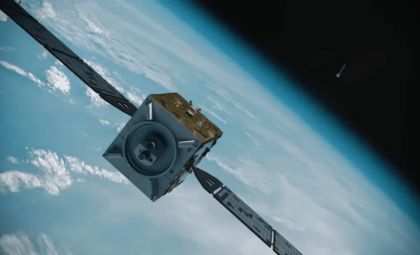
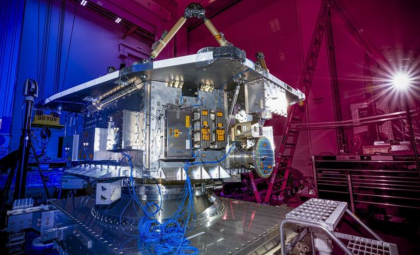
The core of their initiative is a fusion of Portal’s Starburst spacecraft and Paladin’s Triton payload. The agile Starburst spacecraft is engineered to capture and eliminate orbiting debris. Complementing it, Triton specializes in detecting, categorizing, and capturing smaller debris items under one meter (approximately three feet).


These tiny yet perilous fragments are often overlooked but constitute the majority of collision risks in orbit. According to Jeff Thornburg, CEO of Portal Space Systems, this alliance intends to bring debris removal from concept to a practical, working operation.
“This is about making debris removal operational, not experimental,” he said in a statement published by Portal Space Systems. “Satellite data underpins communications, navigation, weather forecasting, and national security. Maintaining that infrastructure requires active debris management.”
Small Fragments, Significant Threat
Large defunct satellites garner most attention, but it’s the small debris pieces that pose the greatest danger to satellites and spacecraft. These tiny shards, originating from broken satellites or spent rocket stages, travel at extremely high velocities capable of inflicting grave damage. Harrison Box, Paladin Space’s CEO, noted:
“Triton is built to remove dozens of those objects in a single mission, which fundamentally changes the cost structure of debris remediation and provides the greatest benefit to satellite operators,” he explained.

Concentrating on small debris is central to developing a scalable and cost-efficient cleanup service. By targeting multiple objects per mission, Portal and Paladin intend to drive down expenses and make space debris removal accessible for satellite operators worldwide.
Advancing Toward a Sustainable Space Environment
This joint venture is designed to establish a replicable, scalable business framework. They envision a future where removing space debris is seamlessly integrated into regular orbital operations. Their efforts have garnered traction, with Starlab Space committing to incorporate their technology into forthcoming space station projects.
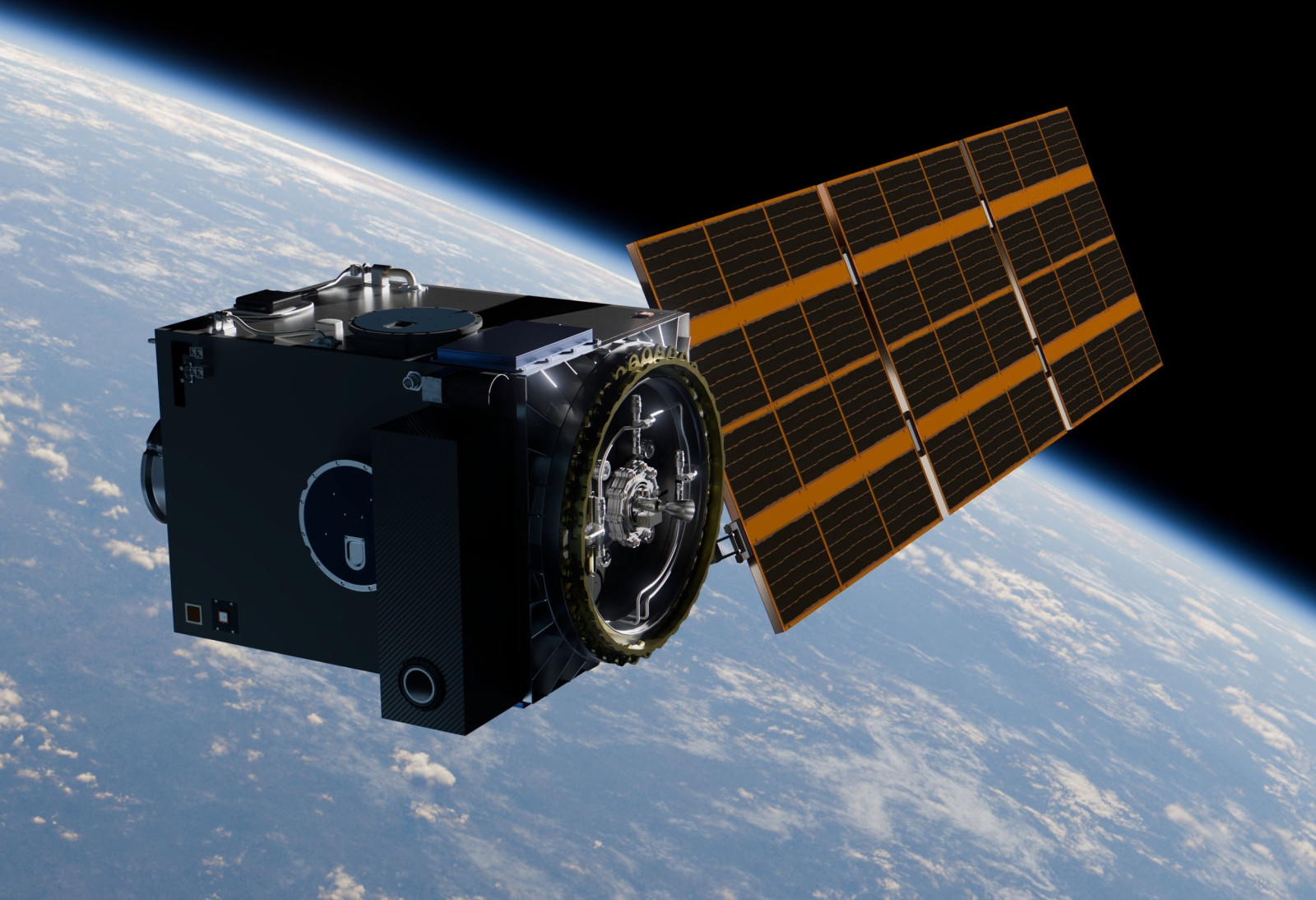
Portal’s Starburst-1 spacecraft is set to launch by the end of 2026 on a SpaceX Transporter-18 rideshare. This initial deployment will critically test the technology and, if successful, kickstart comprehensive debris removal operationally by 2027. Their mission aims to make orbit cleaner and safer, ensuring uninterrupted satellite use amid growing orbital congestion.
- Categories:
- Space








0 comments
Sign in to Comment