
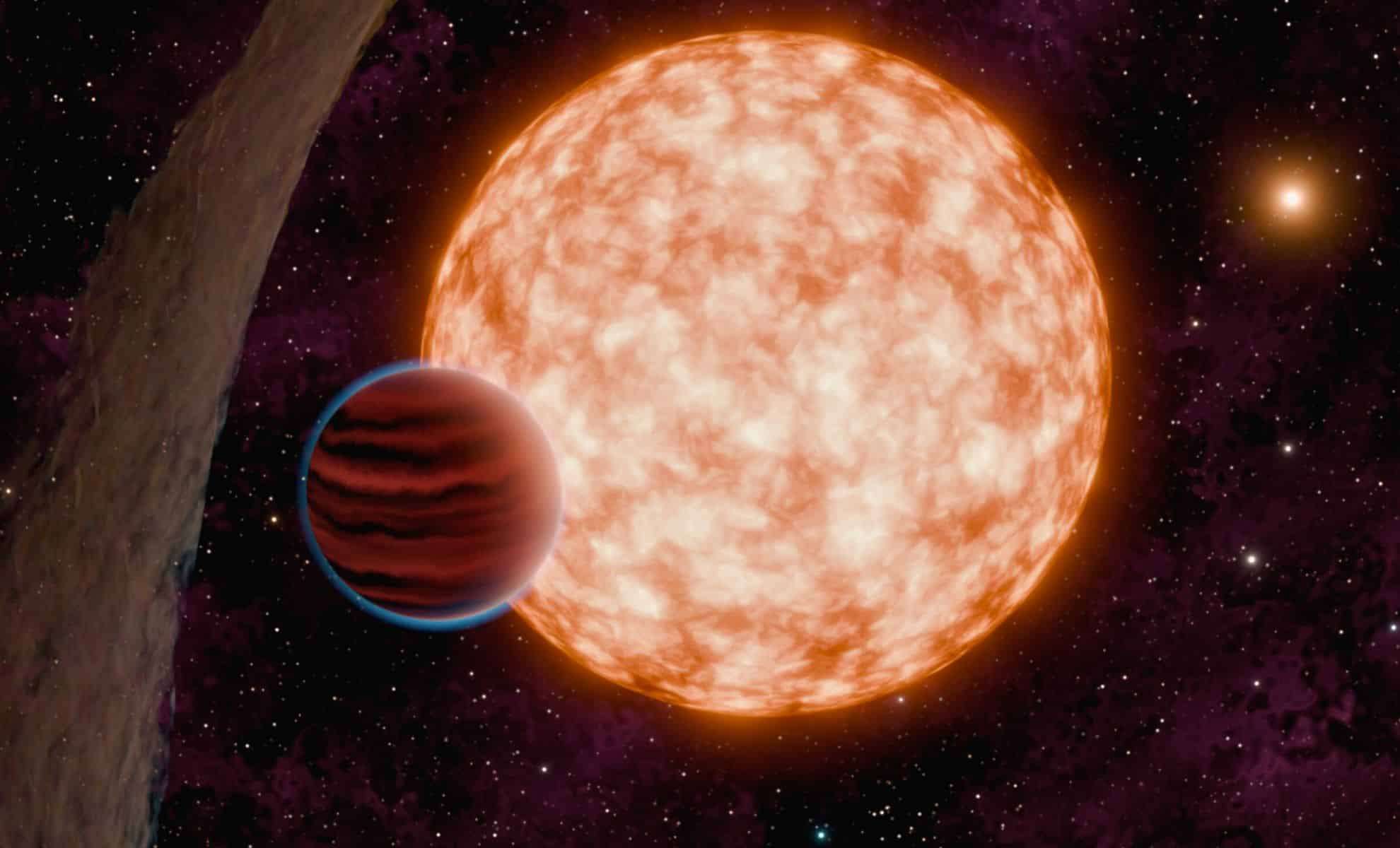
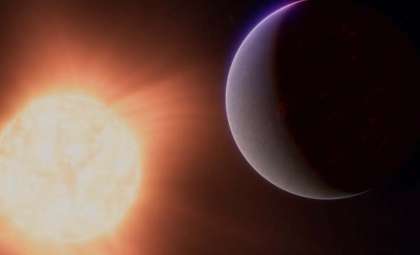
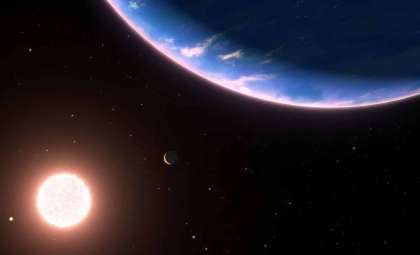
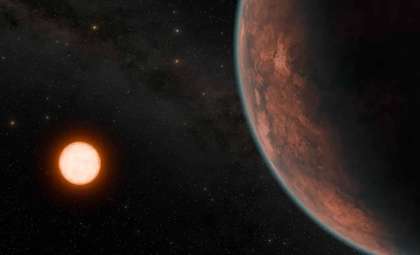
Scientists have uncovered an extraordinary exoplanet, TIDYE-1b, that defies established planetary development theories. At a mere three million years old, this planet exists far earlier than models predict possible. Located 430 light-years away within the Taurus molecular cloud, TIDYE-1b offers an unprecedented glimpse into the earliest phases of planet formation.
An Unconventional Birth in a Turbulent Region
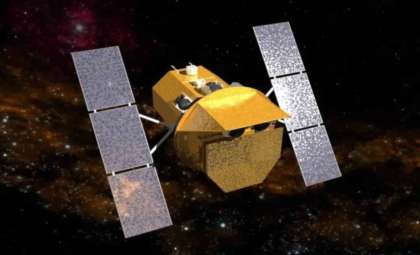
Identified by NASA’s TESS mission, TIDYE-1b was found due to irregularities in its surrounding protoplanetary disk. Unlike the orderly, aligned disks common in young stellar systems, this disk displays a distinct misalignment, suggesting a turbulent and chaotic birth process.
Researchers believe this disturbance could stem from gravitational influences of a neighboring star or an influx of external materials. Another possibility is that TIDYE-1b shifted to a more observable orbit during its formation. Whatever the cause, the planet's existence in such unsettled conditions indicates planetary systems can emerge through far more complex and rapid processes than once believed.

Distinctive Attributes of TIDYE-1b
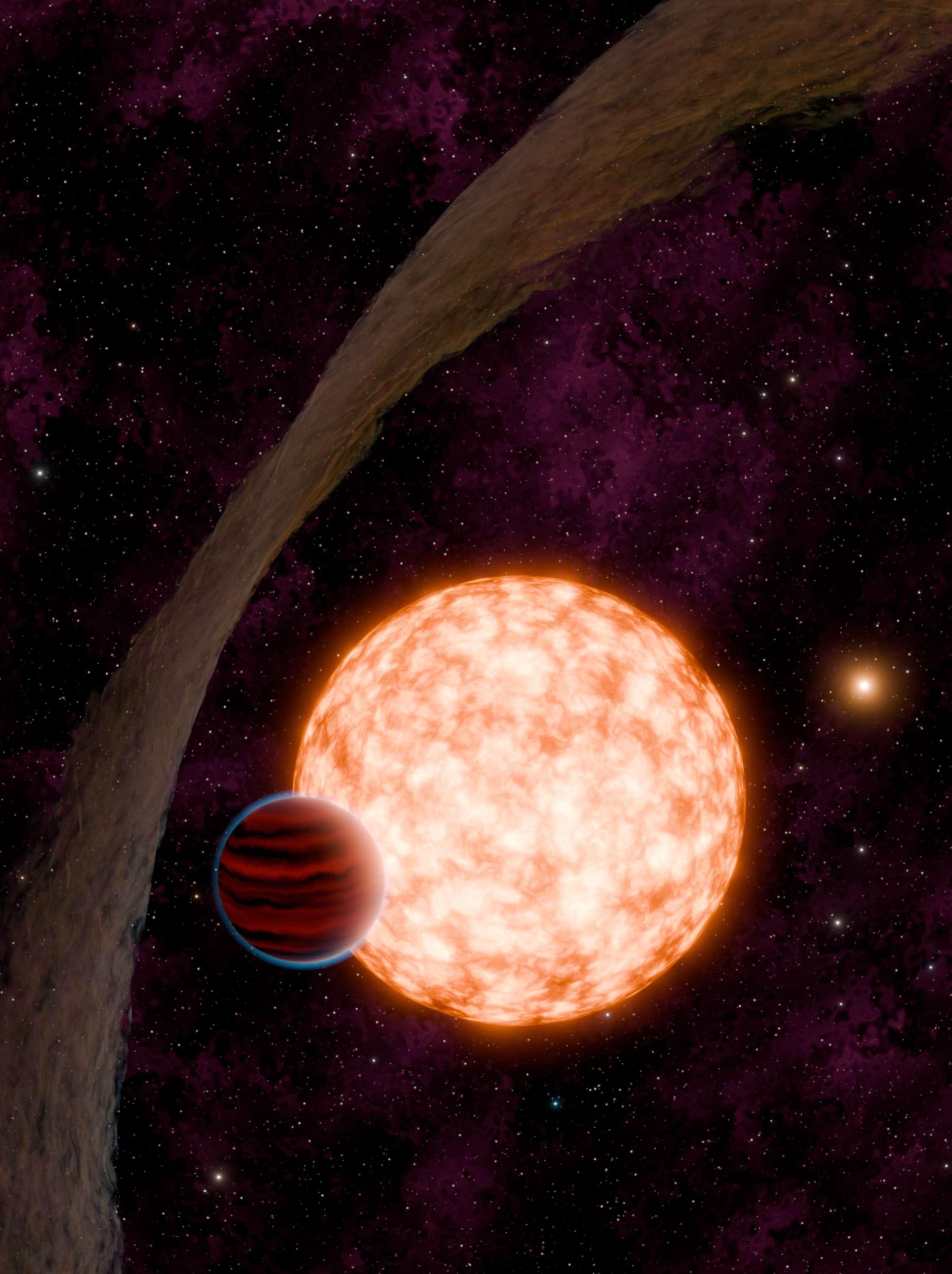
Though ongoing research continues to unveil its mysteries, several features distinguish TIDYE-1b from other known exoplanets:
- Age: At only three million years, it is extraordinarily young compared to Earth’s 4.5 billion years.
- Orbital period: It completes a revolution around its star every nine days, ranking among the quickest orbital cycles for such a youthful system.
- Mass and scale: Possessing roughly one-third of Jupiter’s mass, TIDYE-1b is categorized as a low-mass planet, differing notably from large gas giants.
- Evolution prospects: Its size and composition imply it might grow into a super-Earth or mini-Neptune, classes of planets widespread in the Milky Way but absent from our solar neighborhood.
These insights point toward alternative planetary formation pathways and hint that planets can evolve on accelerated timelines in certain cosmic settings.
Implications of Its Swift Orbital Motion
The exoplanet’s unusually brief nine-day orbit sparks debate over how such a body forms so rapidly. Its fast trajectory may help explain how it quickly gains mass and develops internal structure during infancy. However, whether this speed results from stellar interactions, neighboring planetary bodies, or external influences remains an open question.
Reexamining Planetary Formation Models
The existence of TIDYE-1b calls for reconsideration of conventional theories suggesting planet formation spans tens of millions of years. Its emergence in just three million years reveals that under specific conditions, planetary systems might assemble much faster than traditionally assumed. This discovery also enriches the growing understanding that exoplanets display a remarkable diversity, complicating our grasp of planetary development.
The ongoing investigation of TIDYE-1b is expected to yield vital insights into the mechanisms behind planet formation in young, energetic star environments. Future observations aim to clarify how such youthful planets come to be.
- Categories:
- Astronomy ,
- Space






0 comments
Sign in to Comment