
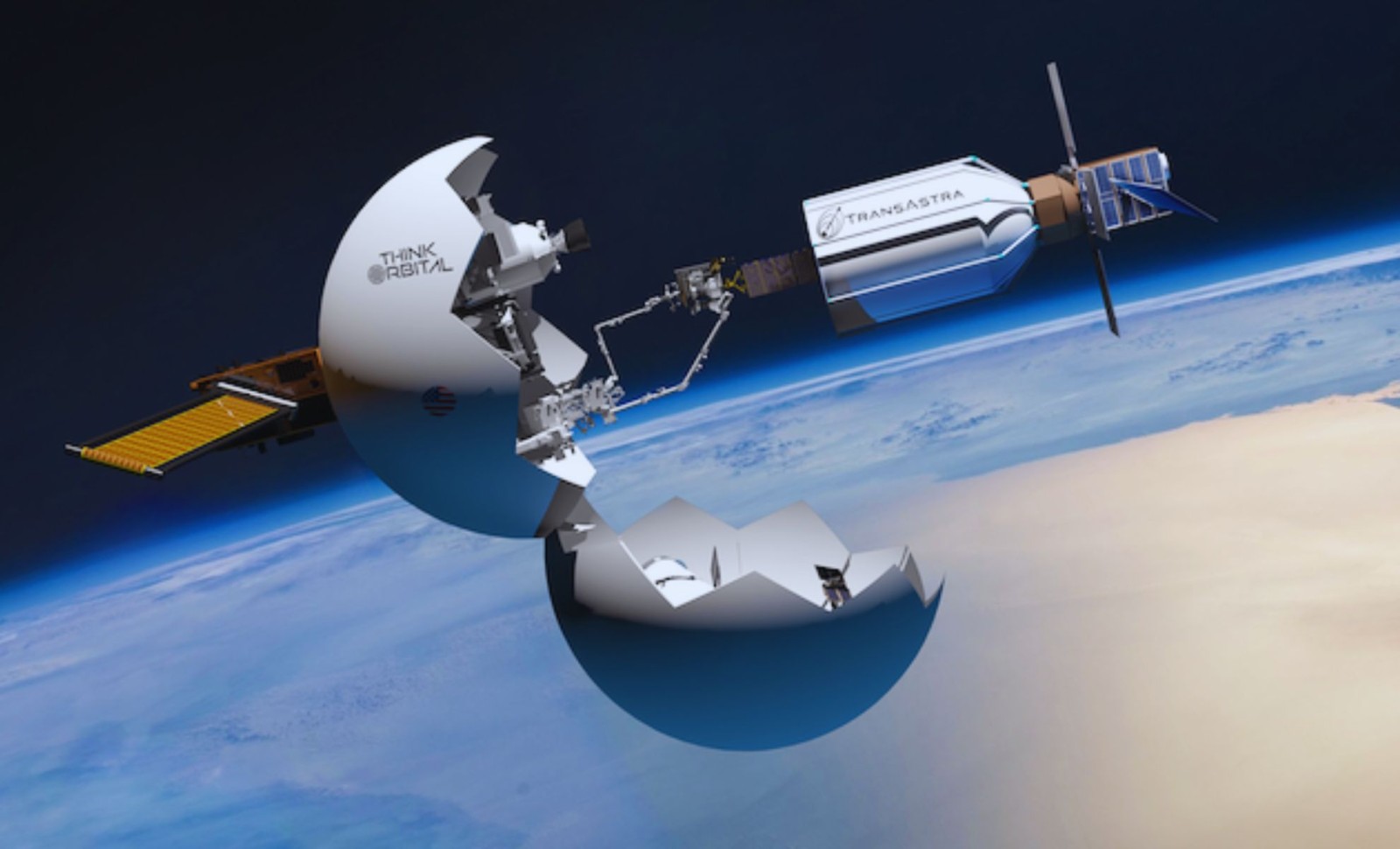
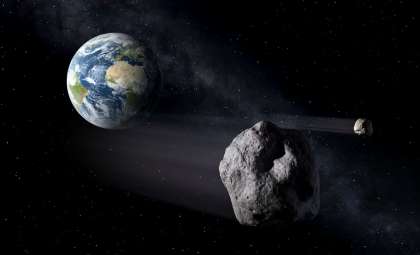
A pioneering company from the United States has introduced an elegantly simple solution to a notoriously difficult space challenge. TransAstra, headquartered in California, has engineered a colossal inflatable bag designed to envelop objects ranging from small debris in orbit to asteroids the size of houses. Recently tested aboard the International Space Station, this device, named the Capture Bag, is gearing up for larger-scale operations, with its inaugural asteroid capture mission targeted for 2028.
By addressing the growing concern of orbital debris, the project sets the stage for both safer space environments and the emerging field of asteroid resource extraction. Per CNN, TransAstra emphasizes cost-effectiveness and versatility, presenting their inflatable bag as a promising alternative to complex robotic arms or mechanical capture technologies.
Testing a Versatile Device in Space
In October, TransAstra successfully trialed the Capture Bag aboard the International Space Station. This initial prototype, approximately one meter wide, was deployed within the airlock to evaluate its performance under the unique conditions of microgravity and vacuum. Although it did not capture any objects during this test, the deployment procedure was executed without issues.

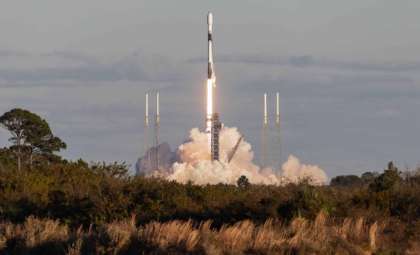
The device was transported to orbit on a Falcon 9 rocket and handed over to ISS crew members. According to TransAstra’s founder, Joel Sercel:
“We went from a sketch on a whiteboard to delivered hardware for the flight demonstration in seven months — in the space business, that’s unheard of.” The bag’s material, a mix of kevlar and aluminum, makes it both lightweight and durable, and, crucially, adaptable to objects of different shapes.
Work on a larger 10-meter variant of the Capture Bag is already in progress, supported by $5 million in funding—about half of which comes from NASA. This expanded model is intended first to target defunct satellites orbiting Earth, capturing and relocating them to decrease collision risks. Only after demonstrating its reliability will the technology transition to capturing asteroids.
Observing Candidates Through a Custom Telescope Network
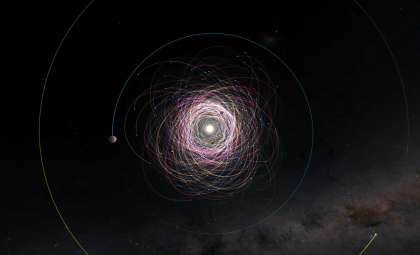
To identify suitable asteroids, TransAstra has established a specialized telescope array across California, Arizona, and Australia, with an additional site planned for Spain. Named Sutter, this setup is optimized for detecting smaller near-Earth asteroids that maintain stable orbits close to Earth’s path.
Sercel mentioned the company focuses on asteroids passing relatively close to Earth, at distances “just a few billion kilometers.” In accordance with a CNN feature, TransAstra has identified hundreds of possible targets and aims to retrieve its first asteroid by 2028.
The intention is not to transport asteroid materials back to our planet—a challenge that Sercel explains “doesn’t make economic sense.” Instead, the mined resources are expected to be utilized directly in space operations or in support of missions venturing deeper into the cosmos, significantly reducing costs compared to launching everything from Earth.
Starting Asteroid Mining with Junk Removal
Although the ultimate ambition of TransAstra lies in asteroid mining, the immediate priority is mitigating space debris. Their inflatable bag technology will initially target defunct satellites that continue to orbit Earth posing risks.
“That 10-meter capture bag will be big enough to find satellites that are in graveyard orbits but might be causing navigational issues. It will capture them and move them to a safer place. That’s an important mission,” Sercel explained.
Experts express cautious enthusiasm about the project. Eleonora Botta from the University at Buffalo praises the design for its ability to accommodate varying shapes and spin rates of space objects but recognizes the challenges in scaling up and deploying the system in orbit. Another researcher, John Crassidis, favors the company's use of telescopes but questions whether the 2028 asteroid mission timeline is realistic, expressing concerns about locating enough suitable asteroids to justify the effort.
While similar ventures like Planetary Resources, Deep Space Industries, and more recently Astroforge—which lost contact with its Odin spacecraft shortly after launch—have encountered setbacks, TransAstra brings substantial funding, strong collaborations, and a clear execution plan to the table.
- Categories:
- Space







0 comments
Sign in to Comment