
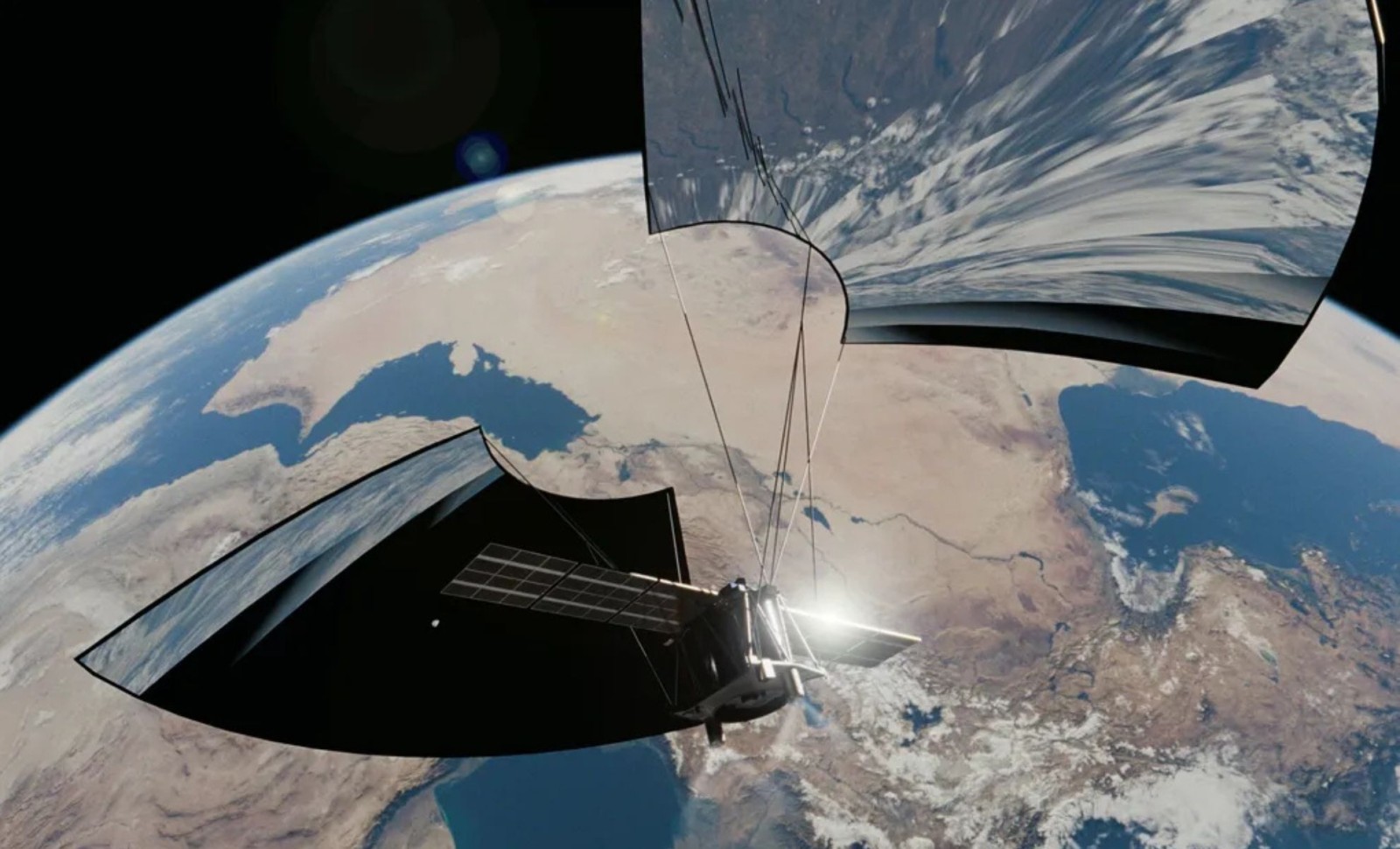
Portal Space Systems, a pioneering company based in Bothell, Washington, is addressing a longstanding issue in the satellite industry: how to efficiently reposition satellites without depleting costly fuel reserves. Their solution centers on solar-driven propulsion, a breakthrough that promises to transform satellite mobility by making it more affordable, environmentally friendly, and potentially more effective.
Although the concept of utilizing sunlight to power spacecraft has existed for many years, it has largely been confined to theory—until now. Portal Space revisits this idea, leveraging modern technological advancements to build viable propulsion systems.
Breathing New Life into a Classic Idea
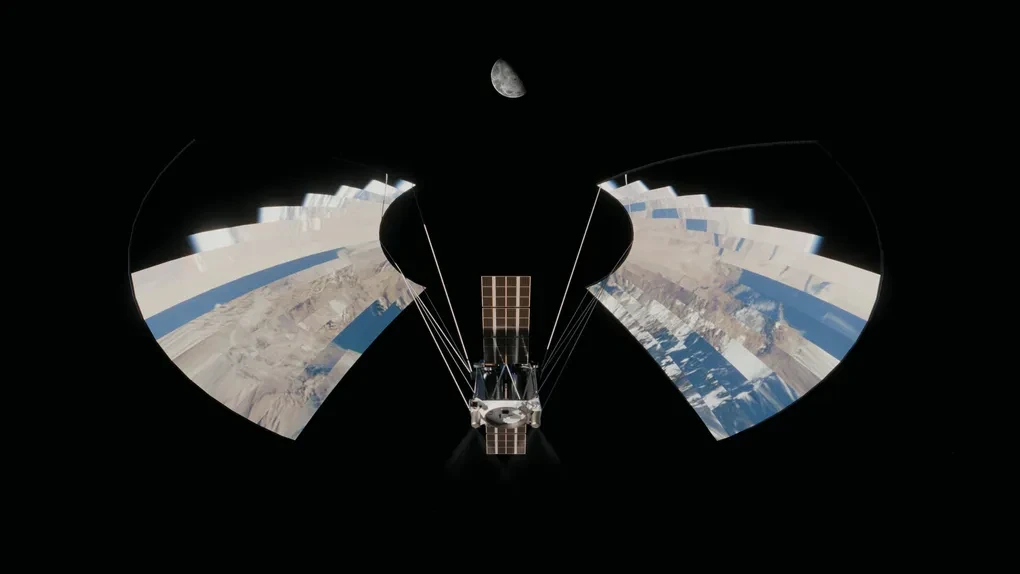
The foundation of Portal Space’s innovation lies in solar propulsion, which was initially investigated in the 1980s but never fully developed. The company claims that while the concept is not new, recent progress in technology has made it possible to bring this approach to fruition. By transforming solar energy into thrust, satellites can traverse between orbital paths without relying on conventional chemical fuel systems.

This method is more than a theoretical curiosity; it addresses a critical demand amid increasing satellite deployments and complex operations. Solar propulsion offers a virtually endless, clean energy source that could revolutionize how satellites are maneuvered and maintained.
3D Printing: A Game Changer in Spacecraft Manufacturing
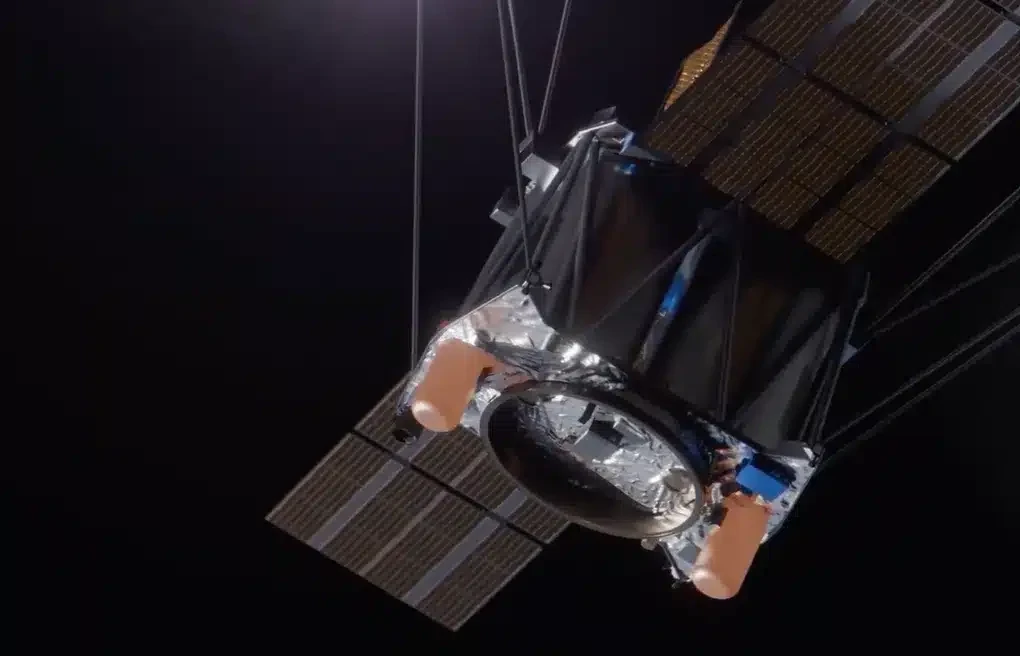
What distinguishes Portal Space is its strategic use of 3D printing technology to fabricate components vital for solar propulsion. Moving away from traditional manufacturing, the company produces bespoke parts crafted to efficiently capture and convert sunlight into propulsion force. This innovative approach enhances system precision, efficacy, and cuts costs.
“It’s a huge inflection point,” said CEO Jeff Thornburg, regarding Portal’s recent testing. “This is what the future looks like. We’re bringing it to reality.”
The adoption of 3D printing in aerospace remains emergent but rapidly growing. It offers unmatched design flexibility, critical for advancing propulsion technology. Portal Space can swiftly prototype and refine their designs without the high cost and delay of conventional testing methods.
Prolonging Satellite Operation with Solar Propulsion
Traditional propulsion depends on finite chemical fuel; once depleted, a satellite loses mobility. Solar-based propulsion could enable satellites to reposition continuously, significantly extending their operational lifetimes without fuel constraints. This approach has the potential to reduce satellite maintenance and replacement expenses.
This benefit is pronounced for vast satellite networks where synchronized adjustments are essential. Without an energy-efficient method to relocate satellites, their functional duration in orbit can be severely limited.
“In space, people generally are very risk averse just because of how expensive it is to launch something,” explained Justin Little, an aeronautics and astronautics professor at the University of Washington. “Are the benefits going to be there that actually make the technology desirable?”
- Categories:
- News









0 comments
Sign in to Comment