
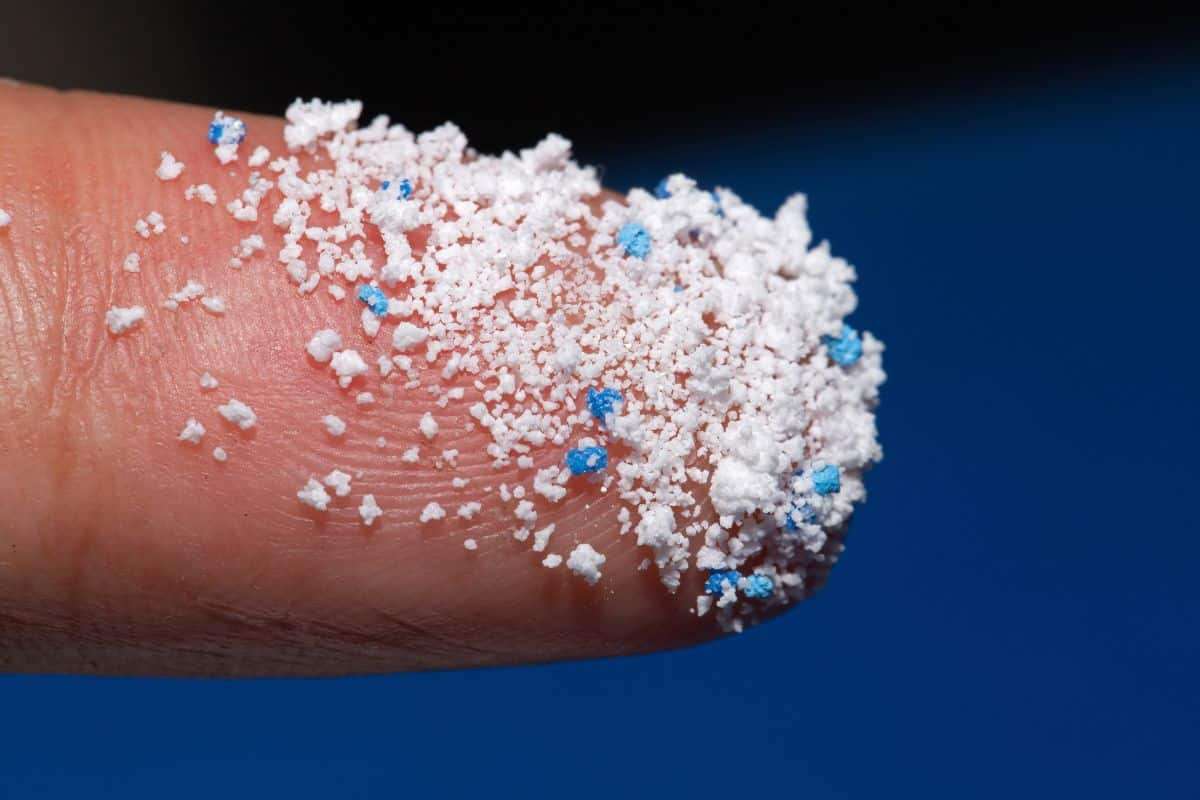
The widespread accumulation of microplastics throughout our environment is increasingly triggering concerns about potential health risks. These minuscule fragments of plastic infiltrate the air we breathe, the water we drink, and the food on our plates, and studies are now drawing connections between microplastics and a variety of serious health problems. Emerging data suggest they may play a role in cancer development, reproductive impairments, respiratory illnesses, and other chronic conditions, spotlighting the hidden consequences of our reliance on plastic materials. As microplastics become nearly unavoidable in daily life, their capacity to interfere with biological functions and fuel widespread health issues demands urgent global attention and sustainable solutions.
Defining Microplastics: Origins and Spread
Microplastics encompass tiny plastic particles measuring from about 5 millimeters down to nanoparticles—much smaller than the width of human hair. These particles come from multiple origins, including the breakdown of larger plastics, synthetic fabrics, packaging waste, and even personal care products. The scale of plastic production, currently at roughly 460 million metric tons per year and expected to surge threefold by 2060, fuels this environmental persistence.
Microplastics reach the atmosphere through varied pathways, like wind blowing over landfills, abrasion of vehicle tires, and smoke from wildfires. Once airborne, these particles travel great distances, even infiltrating some of the most isolated regions on Earth, leading to widespread human exposure via inhalation, ingestion, and skin contact.

Microplastics and Human Health: Diverse Risks Uncovered
A comprehensive review analyzing nearly 3,000 scientific papers, featured in Environmental Science & Technology, consolidates findings on the potential health hazards posed by airborne microplastics. This extensive analysis identifies associations between microplastics and various health outcomes, including:
- Lung health concerns: Inhalation of microplastics could impair pulmonary function and elevate lung cancer risk.
- Gastrointestinal effects: Consumption of microplastics through food and beverages correlates with digestive ailments like colorectal cancer.
- Reproductive system impacts: Long-term exposure may contribute to fertility challenges in both males and females.
Though most research has focused on animal models, experts warn that similar biological mechanisms suggest humans face comparable risks. Additionally, microplastics tend to accumulate in bodily tissues, intensifying their adverse effects over prolonged exposure periods.
Why Avoiding Microplastics Is Almost Impossible
Microplastics pervade nearly every aspect of modern life, appearing in seafood, synthetic textiles, tap water, and even household dust. While some microplastics may penetrate skin, inhalation and ingestion remain primary exposure routes.
Once internalized, these particles persist and can release toxic additives from their manufacturing processes. Research shows that socioeconomic status influences exposure levels, as those in lower-income communities often face increased airborne pollution and greater consumption of plastic-packaged foods.
These complexities suggest that disadvantaged populations could bear disproportionate health burdens due to microplastic exposure.
Strategies for Combating Microplastic Pollution
Despite the daunting outlook, scientists and environmental advocates emphasize the need for immediate interventions to reduce microplastic-related harm. Suggested measures include:
- Personal adjustments: Choosing natural fibers like cotton over synthetic materials and prioritizing fresh, unpackaged foods can minimize individual exposure.
- Policy reforms: Governments should enact stricter regulations on plastics, including bans on unnecessary single-use items and incentives for sustainable alternatives.
- Public engagement: Raising awareness and promoting demand for plastic-free options are essential to support long-term systemic change.
Dr. Nicholas Chartres, lead author of the review, urges policymakers to respond with the same vigor historically applied to tobacco control, advocating decisive steps to stem microplastic proliferation.
Looking Forward
As world plastic production continues to escalate, the health implications of ongoing microplastic exposure loom larger. Scientists warn that without timely interventions, a cascade of public health issues may unfold over coming decades. However, this research highlights a critical opportunity: prompt efforts can substantially reduce environmental microplastics and protect human well-being.
Confronting the pervasive microplastic challenge demands coordinated action at all levels—from adopting greener habits to lobbying for enhanced laws. Every individual and collective step taken today can help mitigate the growing threat posed by these unseen contaminants.
- Categories:
- News













0 comments
Sign in to Comment