
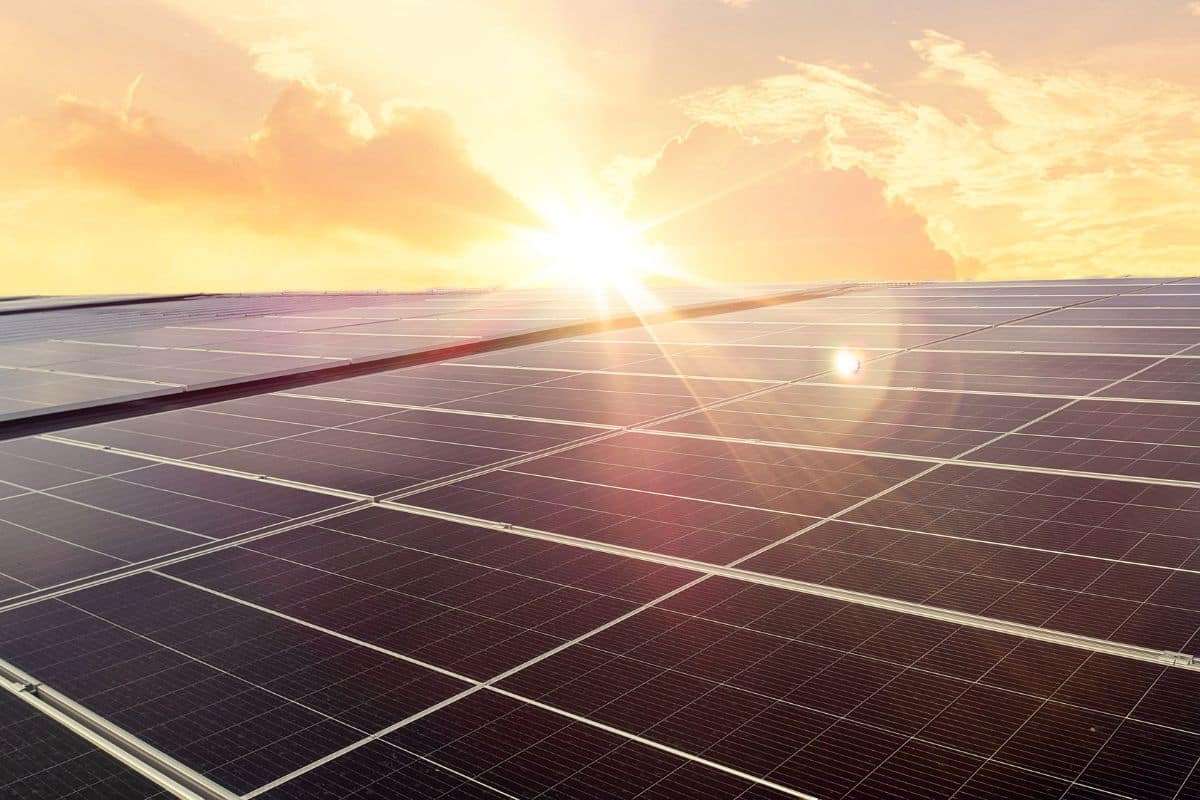
Japan is pioneering the future of renewable energy with the creation of perovskite solar cells (PSCs), a cutting-edge innovation set to transform solar power generation. These lightweight, flexible solar "super panels" address space constraints and unlock new opportunities for clean energy in urban settings.
Innovating Solar Technology Through Perovskite Cells
For decades, conventional silicon solar panels have led the renewable market. Despite their effectiveness, their bulkiness and inflexibility pose challenges, especially in crowded cities like Japan.
Introducing perovskite solar cells, which blend high efficiency with adaptability. These panels can be embedded into diverse surfaces, from building facades and windows to vehicle roofs and streetlights, turning everyday structures into power generators.

Japan’s Ministry of Industry has set an ambitious target to produce 20 gigawatts of electricity using PSCs by 2040—matching the output of 20 nuclear reactors. This initiative supports Japan’s goal of achieving net-zero carbon emissions by 2050, utilizing the country’s rich iodine reserves critical for PSC fabrication.
The Potential of Perovskite Cells in Urban Energy Solutions
Unlike traditional solar arrays that need expansive land, PSCs thrive in city environments, making them perfect for areas with limited space. They hold the promise to convert skyscrapers into vertical energy sources, enabling urban centers to produce large amounts of renewable power.
Moreover, PSCs can be part of integrated systems combining wind and solar resources to boost overall energy output. This synergy is especially valuable for Japan, where geographic constraints limit renewable deployment.
Despite their impressive potential, challenges exist, including ensuring long-term durability and lowering production expenses. Nonetheless, advances in manufacturing techniques are expected to reduce costs dramatically, targeting an affordable rate of JPY 10 per watt by 2040.
Japan's Renewable Energy Revival Post-2011
The 2011 Fukushima nuclear incident accelerated Japan’s shift towards safer energy alternatives. Since then, solar power’s share of electricity generation has surged to nearly 10%, up from just 1.9% in 2014.
Japan’s energy strategy aims for renewables to comprise 36-38% of total consumption by 2030, with PSCs being integral to reaching this goal. By enhancing the affordability and availability of these cells, Japan plans to broaden their application across residential and commercial sectors.
Driving Sustainability and Economic Resilience
Adopting PSC tech is as much about economic independence as environmental responsibility. Leveraging local resources, such as iodine, reduces dependence on foreign imports and bolsters Japan's renewable industry. This approach solidifies Japan’s role at the forefront of sustainable technology innovation.
Leading firms like Sekisui Chemical Co. are advancing PSC designs, aiming for mainstream market access by the 2030s. Supported by government backing, these initiatives mark Japan’s efforts to reclaim global leadership after losing ground to subsidized manufacturers elsewhere.
Overcoming Hurdles for a Sustainable Solar Future
The pathway for PSCs is promising but not without obstacles. Enhancing their resilience and driving down costs will be essential for sustained success. Nevertheless, swift technological progress offers optimism for overcoming these challenges.
Japan’s commitment to PSC development serves as an inspiring model worldwide. By harnessing innovative technologies and focusing on eco-friendly energy, Japan proves it's possible to expand renewable power even in space-limited regions.
- Categories:
- Science












0 comments
Sign in to Comment