
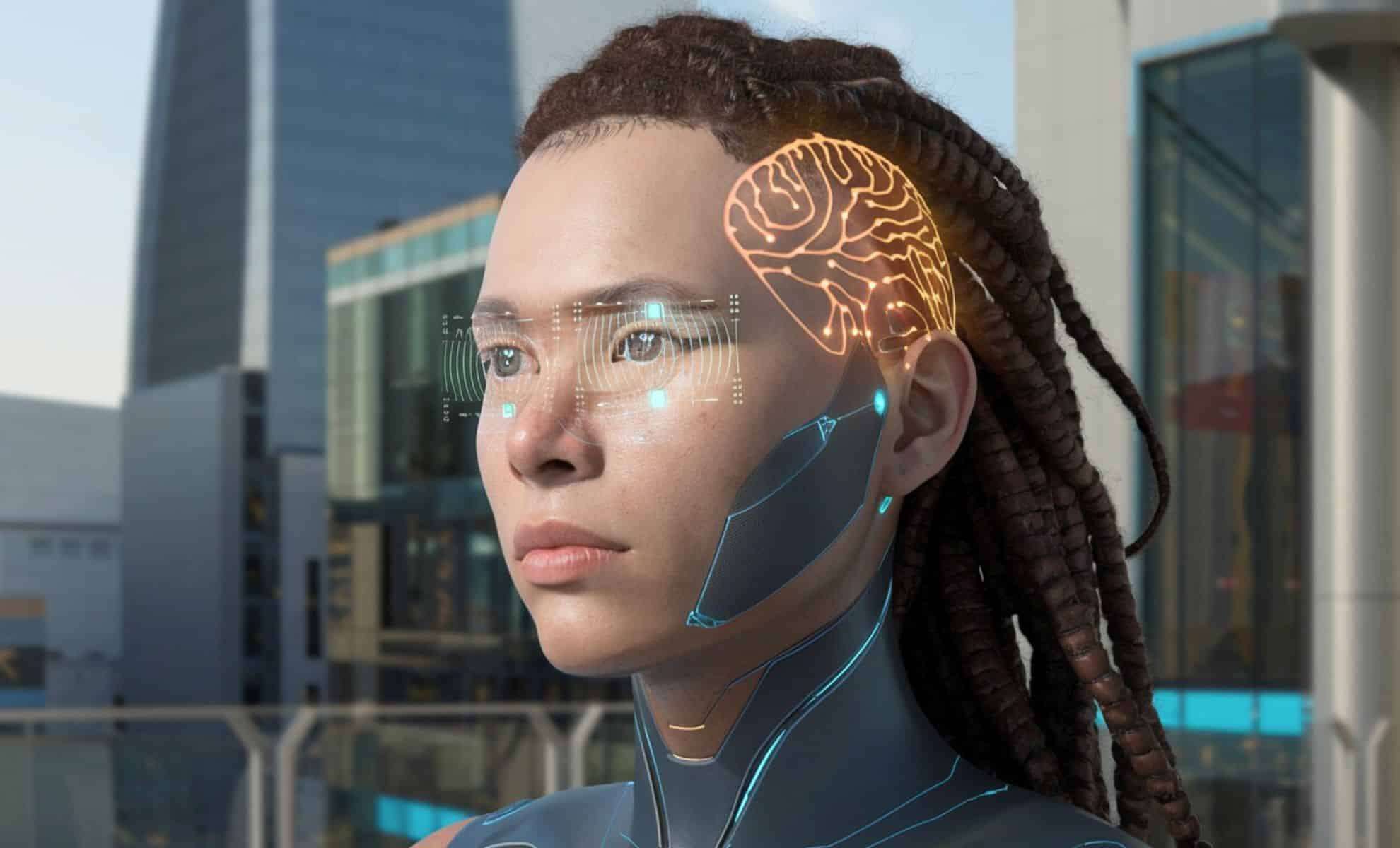
What could humans look like in 50,000 years? This intriguing question challenges us to envision the future, weaving scientific insights with imaginative possibilities. As experts assess evolutionary trends alongside technological advancements, one thing remains clear: human development is ongoing.
Evolution Continues, Just in New Forms
Contrary to popular belief that modern healthcare and technology have halted human evolution, specialists like Jason Hodgson, an evolutionary geneticist, emphasize that evolution persists — although its patterns and pace have adapted to new circumstances.
- Over millennia, humans have shown changes such as varied skin tones, differences in height, and distinct hair types.
- Global movement and interbreeding are mixing genetic lines faster, fostering a more uniform human gene pool.
Visualize a future where localized characteristics — like the fair skin common in Scandinavia or the tall stature often seen in the Netherlands — gradually fade, replaced by shared physical traits worldwide. Could humanity evolve towards a unified appearance?

Thomas Mailund, an expert in bioinformatics, suggests that although 50,000 years is sufficient for measurable evolutionary shifts, drastic alterations such as developing wings or gills remain exceedingly unlikely. “Our anatomy will largely remain human,” he explains.
The Emergence of a Global Human Form
One leading hypothesis is that humanity might grow more genetically similar. As populations intermingle increasingly, regional features—like the darker skin common in African populations or the lighter tones in northern Europe—may blend into a more averaged global phenotype.
The Global Human Phenotype Explained
- Less variation: Physical distinctions tied to ancestral regions might decrease over time.
- Genetic benefits: Combining diverse gene pools may lower the risk of inherited ailments prevalent in isolated groups.
- Unified look: Human physical traits could merge into a globally shared appearance.
Yet some experts, including Nick Longrich, a paleontologist, argue that unique subpopulations might continue evolving separately due to distinctive environmental or social factors, preserving some diversity.
The Role of Sexual Selection: Redefining Attractiveness
With fewer survival obstacles, sexual selection could increasingly influence human evolution. Desirable attributes—such as height, facial symmetry, and other aesthetic qualities—might become more dominant in future generations.
Will Beauty Standards Become Universal?
- Intensified trends: As media and culture globalize perception of beauty, these ideals could heavily shape mate choices.
- Reduced individuality: If everyone conforms more closely to prevailing beauty criteria, new or unconventional traits might gain prominence.
Still, sexual selection is complex and subjective. Characteristics favored today might lose appeal in the future, illustrating the fluid nature of human preferences.
The Potential of Genetic Engineering in Shaping Evolution
The most revolutionary driver of human evolution may come from deliberate genetic modification. Techniques like CRISPR already enable precise edits to the human genome, turning genetic design from fiction into reality.
Possible Accomplishments Through Gene Editing
- Tailored traits: Parents might select attributes such as eye color, height, or intellectual potential for their children.
- Elimination of diseases: Genetic therapies could remove inherited illnesses and increase lifespan expectancy.
- Enhanced capabilities: Future humans might possess superior cognitive or physical strengths beyond natural human limits.
However, ethical concerns remain paramount. Jason Hodgson cautions against repeating historical mistakes like those of 20th-century eugenics. Although technology has advanced, the moral challenges surrounding genetic alteration are equally significant.
The Uncertainty of Evolutionary Trajectories
Despite projected trends, human evolution’s course remains unpredictable. Multiple factors could influence direction, including:
- Environmental changes: Climate shifts, resource challenges, or new living environments might prompt adaptive responses.
- Technological fusion: Increasing integration of human biology with machines could blur the boundary between natural and artificial evolution.
- Societal influence: Culture and ethics will determine which innovations and practices are embraced or rejected.
Mailund notes that while long-term evolutionary forecasts have limited precision, strong selective forces can trigger rapid transformation within mere centuries.
Choices That Will Define Our Evolutionary Path
The most unpredictable aspect of human evolution may be our collective decisions. Will we use genetic technologies with caution? Will we prioritize diversity over uniformity? Actions taken in the near future could shape humanity’s evolution for thousands of years.
- Unity or fragmented diversity?
- Ethical progression or reckless experimentation?
- Global beauty ideals or renewed value on uniqueness?
The story ahead may focus less on survival alone and more on defining identity. The true question is not just how humans will change, but what kind of world we choose to create.










0 comments
Sign in to Comment