
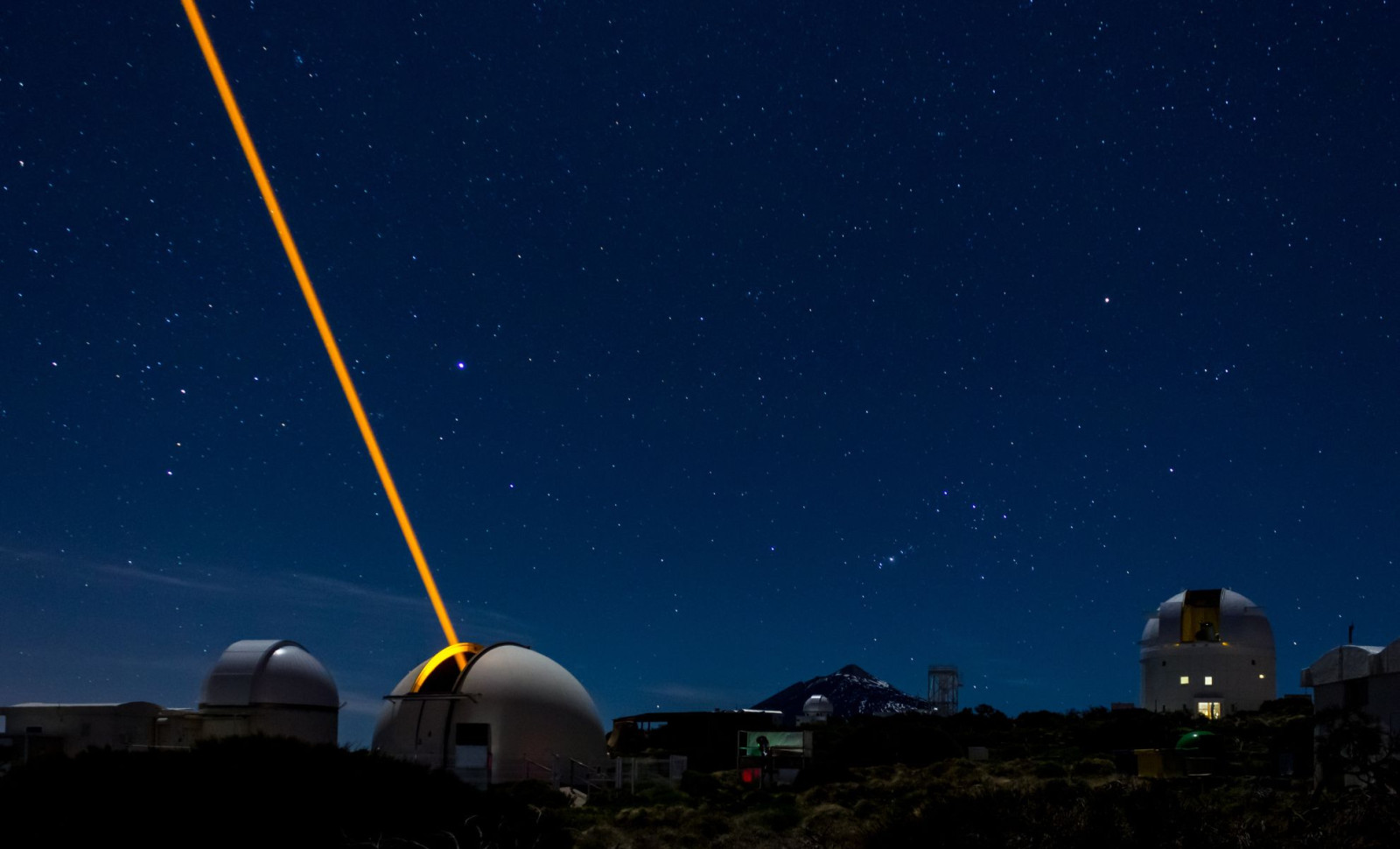
A group of Japanese researchers has engineered a breakthrough high-resolution X-ray telescope capable of identifying an object merely 3.5 mm in diameter from a kilometer's distance. The telescope was tested with a novel terrestrial setup simulating star-like light conditions.
Collaborating experts from Nagoya University and the SPring-8 synchrotron facility combined their astronomy and precision engineering skills for this initiative. Their work, published in the Publications of the Astronomical Society of the Pacific, represents a significant technical milestone and proposes a new path for compact yet powerful observation instruments.
Capturing cosmic phenomena through X-rays remains essential for deciphering energetic events in space. According to the team, phenomena like solar flares, stellar explosions, and matter near black holes emit intense X-rays that carry valuable physical data.

Crafting a Nanometer-Precise Mirror
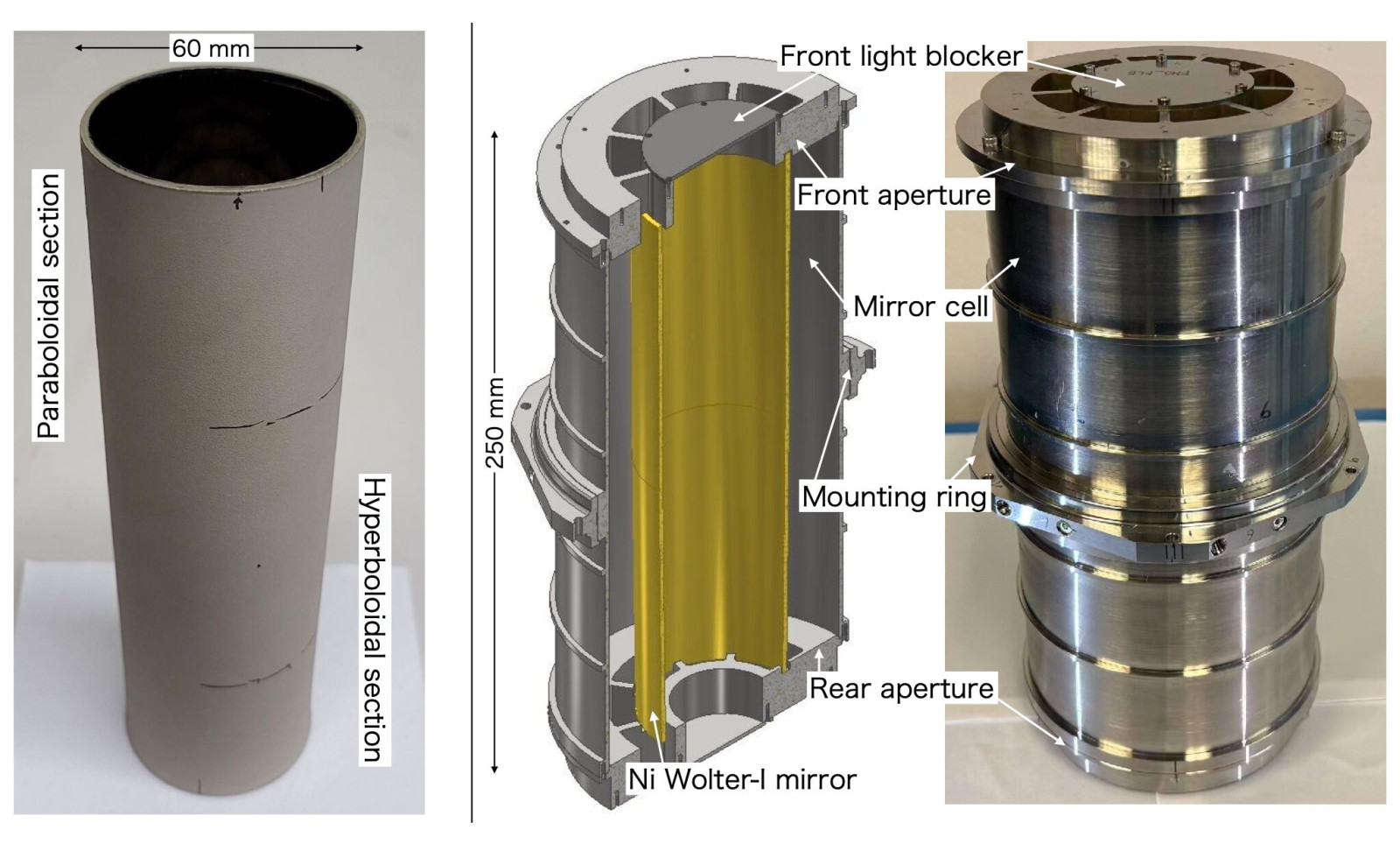
The telescope’s distinctive feature is its mirror, which demands extraordinary precision. Unlike visible light, X-rays reflect only at extremely shallow angles, necessitating surfaces finished to nanometer-scale accuracy.
To achieve this, researchers applied a precision electroforming technique developed at SPring-8. Their study, detailed in the Publications of the Astronomical Society of the Pacific, describes a nickel mirror crafted with a 60 mm diameter and 200 mm length.
This mirror is unique due to its design as a single, seamless shell, eliminating joints that could cause misalignment or distortion. Project leader Ikuyuki Mitsuishi from Nagoya University’s Graduate School of Science commented:
” The mirror is like a very precise funnel for X-rays. If any part of the funnel is even slightly out of place, the X-rays miss their target and the image blurs.” He added, “It must also survive the intense vibrations of a sounding rocket launch while retaining its optical precision.”
Simulating Star Rays in Laboratory Conditions
Prior to deploying the telescope in orbit, the team needed to verify its precision under conditions mimicking real starlight. The challenge lies in replicating starlight’s nearly parallel rays, a result of stars' enormous distances.
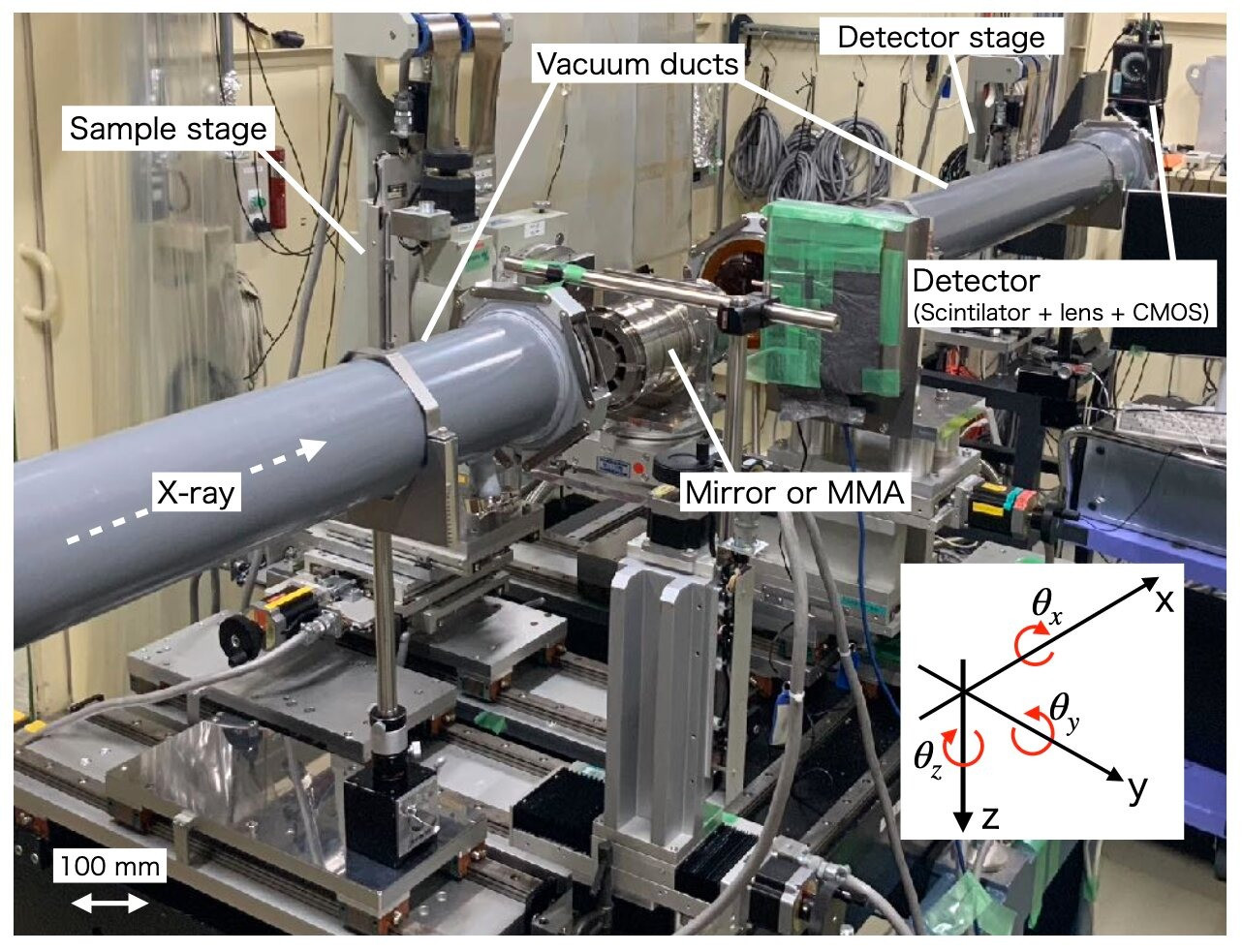
To solve this, they built a specialized setup at SPring-8, featuring a 10-micrometer X-ray source placed approximately 900 meters from the mirror. At this spacing, the X-rays maintain sufficient parallelism to imitate distant stellar radiation.
This setup allowed for exact measurement of the telescope’s angular resolving capability. Lead author Ryuto Fujii explained:
“It’s the first ground-based system capable of accurately evaluating the performance of high-resolution X-ray space telescopes at hard X-ray energies, and it is available to researchers worldwide who want to develop and test similar technology.”
Successful Space Deployment with FOXSI-4
The telescope was subsequently launched aboard FOXSI-4, a sounding rocket mission that lifted off from Alaska on April 17, 2024. This mission featured seven X-ray telescopes aimed at studying solar phenomena.
Data from the mission confirmed the instrument’s ability to monitor an active solar flare, validating its real-world functionality. This flight marked the first time a domestically developed Japanese high-resolution X-ray telescope participated in a global sounding rocket program.
The team traced the main limitations in image clarity to minute flaws on the mirror’s surface, pointing toward future upgrades. An improved telescope version is slated for FOXSI-5 in 2026.
Looking ahead, the researchers aspire to miniaturize this technology for integration within CubeSats—compact satellites about the size of a shoebox. Such advancement could make high-resolution X-ray observation more accessible in space missions.
- Categories:
- Space











0 comments
Sign in to Comment