
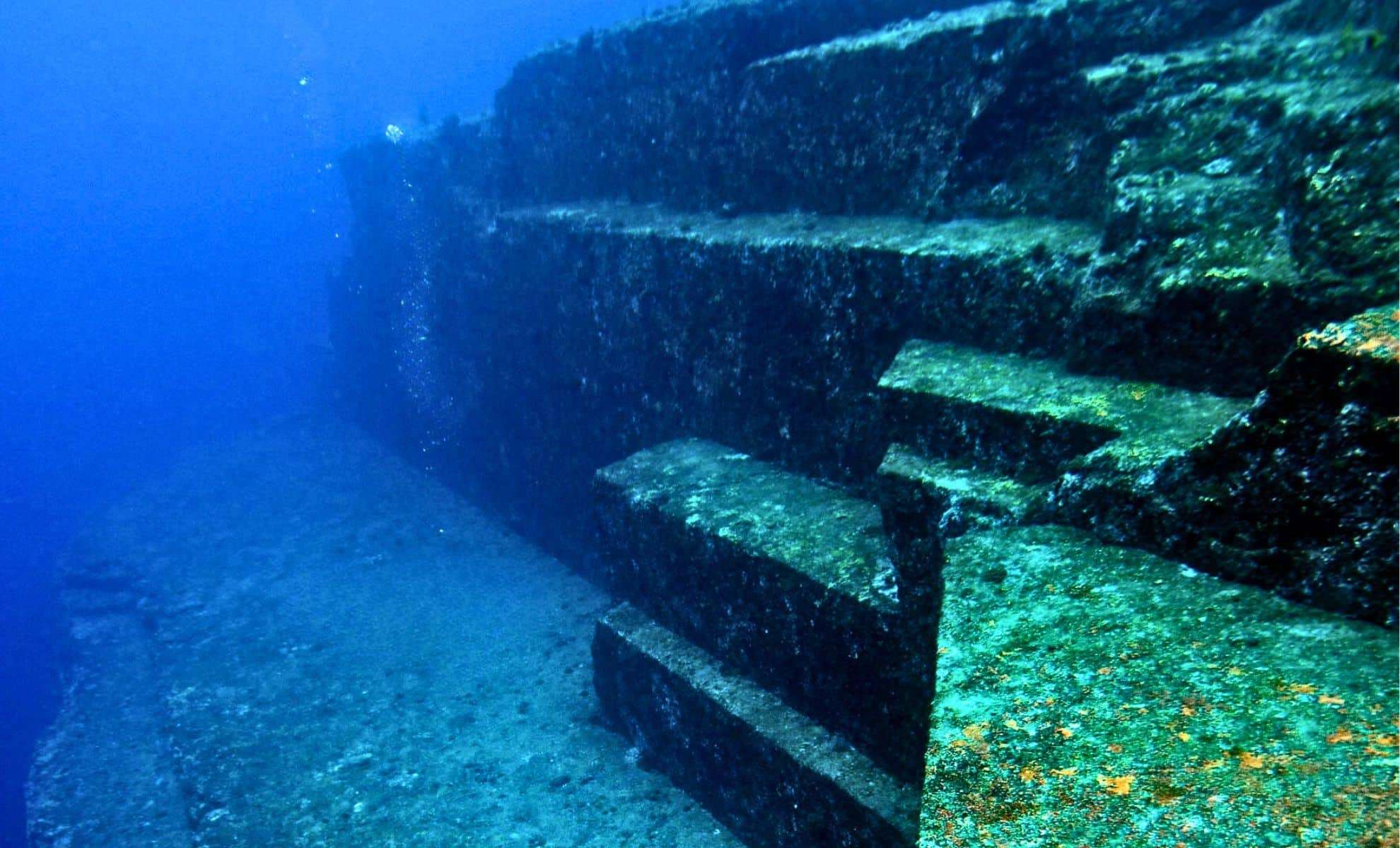
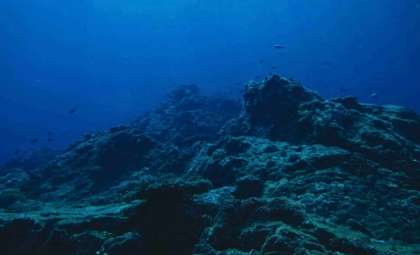
Off the shore of Yonaguni Island in Japan, a mysterious underwater formation has intrigued explorers and scientists since its discovery nearly 40 years ago. This monument, located beneath the Pacific Ocean, measures approximately 150 meters long, 40 meters wide, and 27 meters high. Its distinct angular shapes, tiered platforms, and precise geometric patterns have fueled an ongoing debate: is this a product of natural geological forces, or is it the shattered relic of an ancient human-made structure?
An Unexpected Finding
The tale of the Yonaguni Monument dates back to 1986 when local diver Kihachiro Aratake was exploring for new scuba diving spots near Yonaguni Island. During his dive, he stumbled upon a vast stone formation that seemed too orderly to be purely natural. Unlike ordinary submerged rock structures, this site featured flat planes, straight edges, and multi-leveled terraces that looked intentionally crafted. The discovery quickly gained attention, evolving from a local curiosity to a subject of international research interest.
Scientists have long debated the monument’s true origin. Its geometric clarity and sharp lines hint at purposeful construction rather than random erosion or tectonic shift. Yet, while some experts advocate for a man-made origin, others argue that natural geological processes could have shaped the structure over millennia.

Crafted by Humans or a Geological Coincidence?
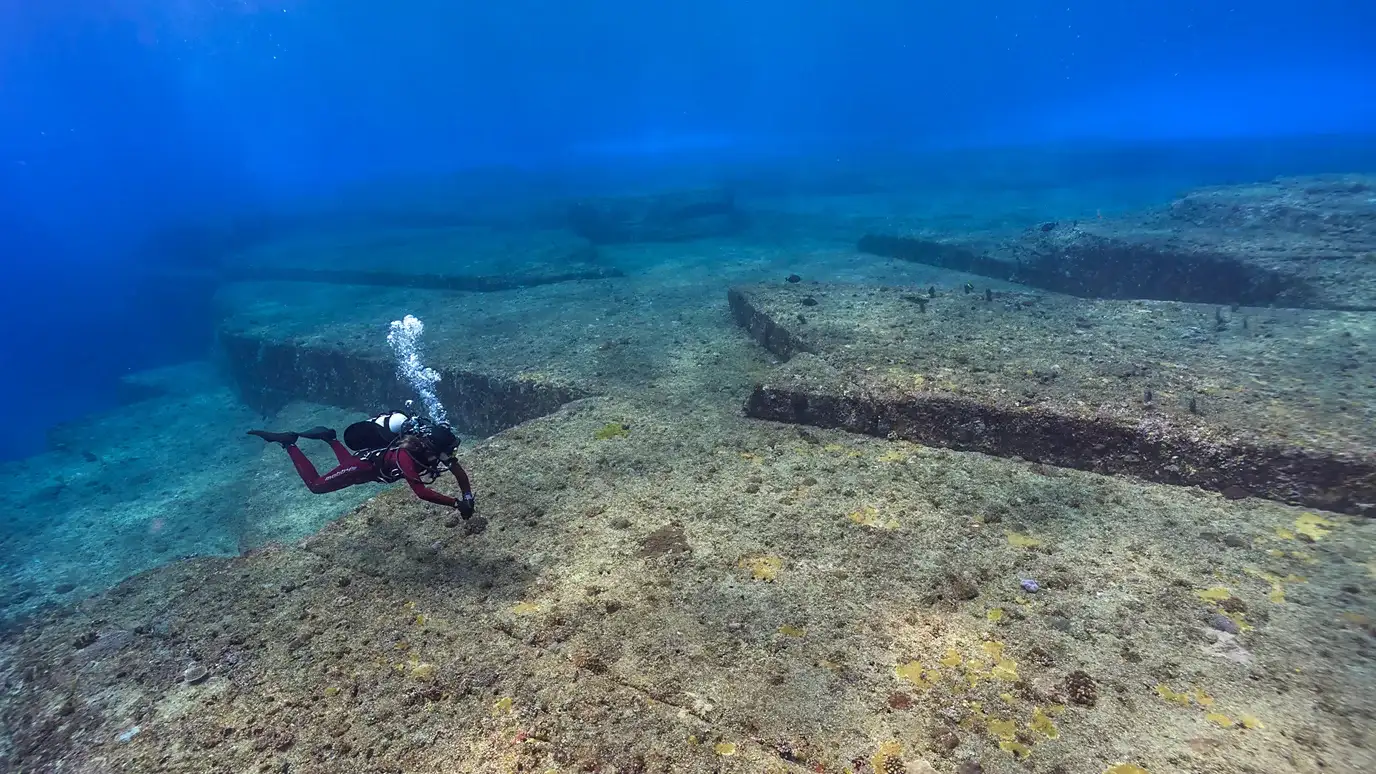
A leading proponent of the idea that the structure was carved by humans is Professor Masaaki Kimura, a marine geologist at the University of the Ryukyus. Kimura has conducted extensive dives and examinations of the monument and insists, "The precision of its shapes suggests deliberate construction."
He estimates the formation could be as old as 10,000 years, dating it back to the final Ice Age, when ocean levels were significantly lower. Kimura theorizes the monument may have been part of a vast city or a significant ceremonial complex now submerged due to rising sea levels.
Supporting this, Kimura points to nearby underwater features resembling a roadway, a fortification, and animal carvings. These artifacts, he proposes, reinforce the possibility of human design.
The Argument for a Natural Origin
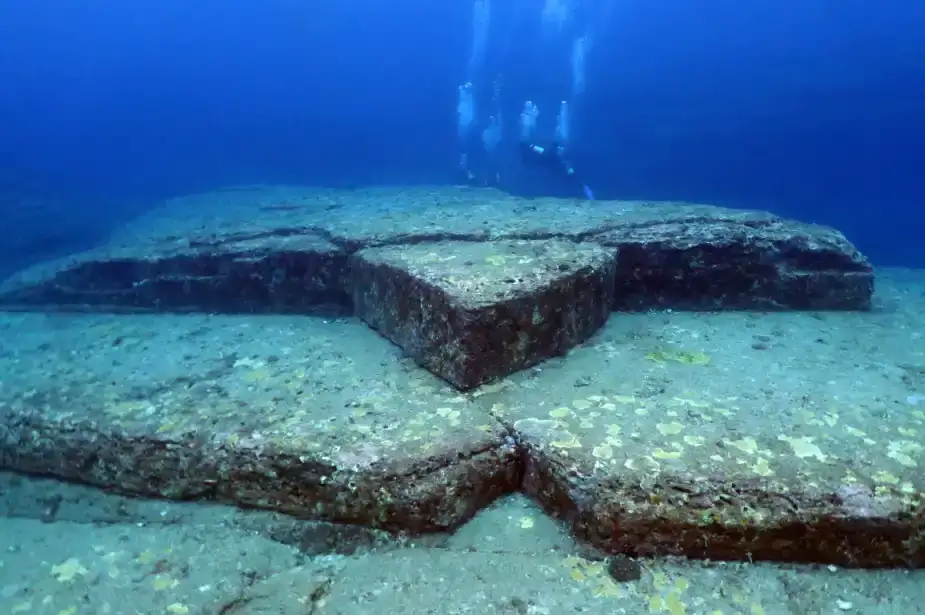
Opposing views come from many geologists who argue the Yonaguni site is the outcome of natural geological activities. The region sits near a significant fault zone, making it prone to earthquakes and shifting earth that can fracture rocks into sharp, geometric shapes.
Furthermore, the structure mainly consists of sandstone, a rock type vulnerable to erosion caused by ocean currents. Comparable natural sites—like the Bimini Road in the Bahamas or the Giant’s Causeway in Northern Ireland—demonstrate nature's ability to sculpt formations mimicking human architecture. For many scholars, the monument’s striking features are impressive but fall within the realm of natural wonders.
Continuing Mystery and Lack of Evidence
The controversy is compounded by the absence of conclusive evidence. No tools, pottery, or cultural artifacts have been recovered to verify human construction. Additionally, no traditional narratives or historical records from the region mention such a submerged site.
The fact that the monument lies about 25 meters underwater complicates exploration. During the Ice Age, the area would have been dry land when sea levels were lower. Should the monument be human-made, its builders would have constructed it before the ocean’s rise submerged the region.
Despite ongoing uncertainty about its origin, the Yonaguni Monument continues to captivate scientists, divers, and enthusiasts worldwide. This enigmatic structure remains a powerful reminder of the unknown secrets concealed beneath our oceans and the complex story of Earth’s ancient past.








0 comments
Sign in to Comment