
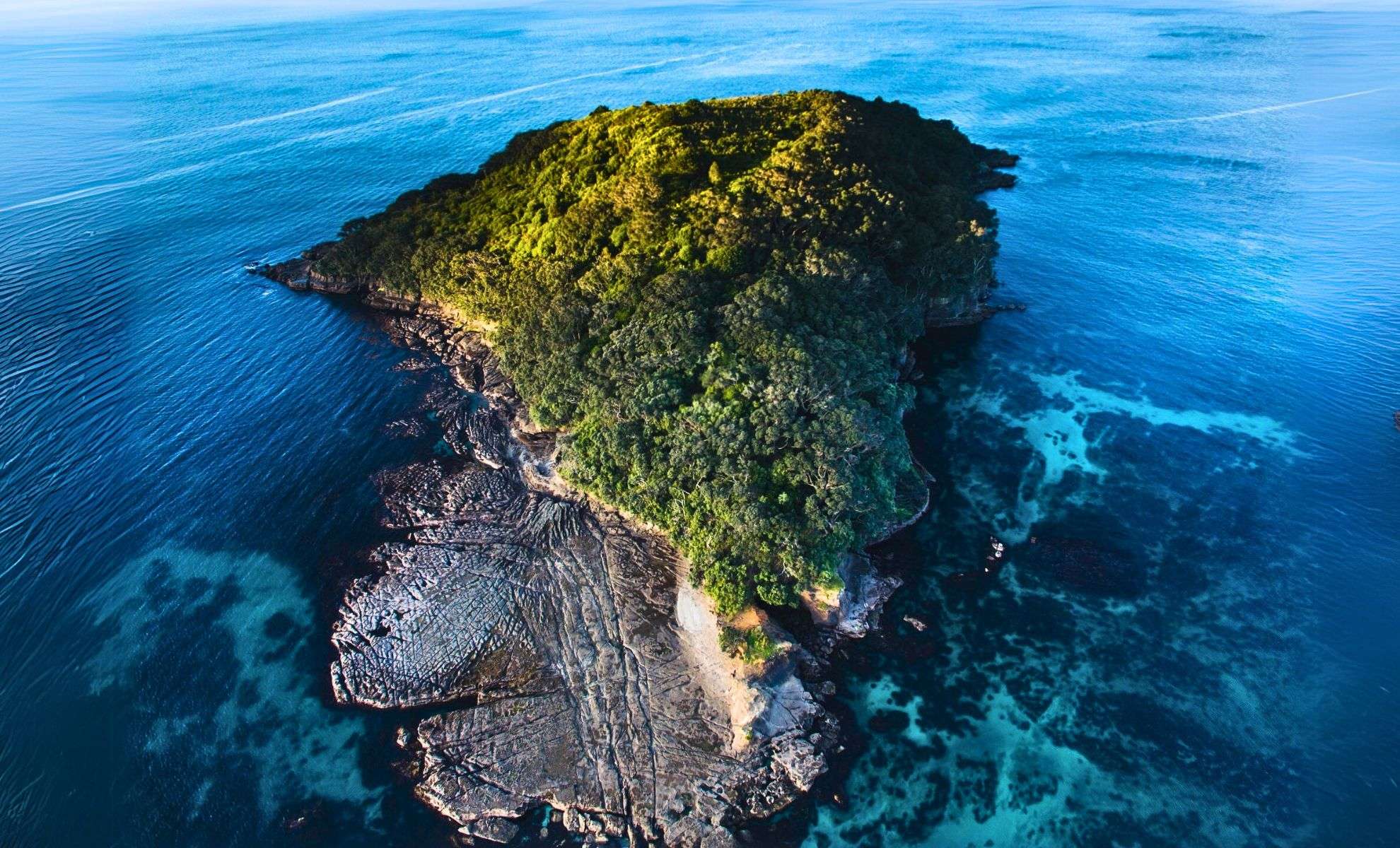
Although Earth’s oceans have been explored for centuries, they continue to conceal hidden wonders. A decade-long investigation by researchers at the University of São Paulo (USP) has revealed a significant underwater formation near Brazil’s coast, called the Rio Grande Rise (RGR).
Previously believed to be part of the open ocean, this area has now been identified as the remains of a sunken tropical island. Brazil is pursuing an extension of its territorial rights to include this submerged landmass due to its abundant resources and economic promise.
Unveiling the ‘Lost Continent’ Beneath the Waves
Researchers published their findings in Nature, revealing that the Rio Grande Rise lies roughly 1,200 kilometers from Brazil’s coast. Initially categorized as seamounts or a continental plateau basalt formed from ancient lava flows, the region was first explored in 2018 by a joint British-Brazilian research team.

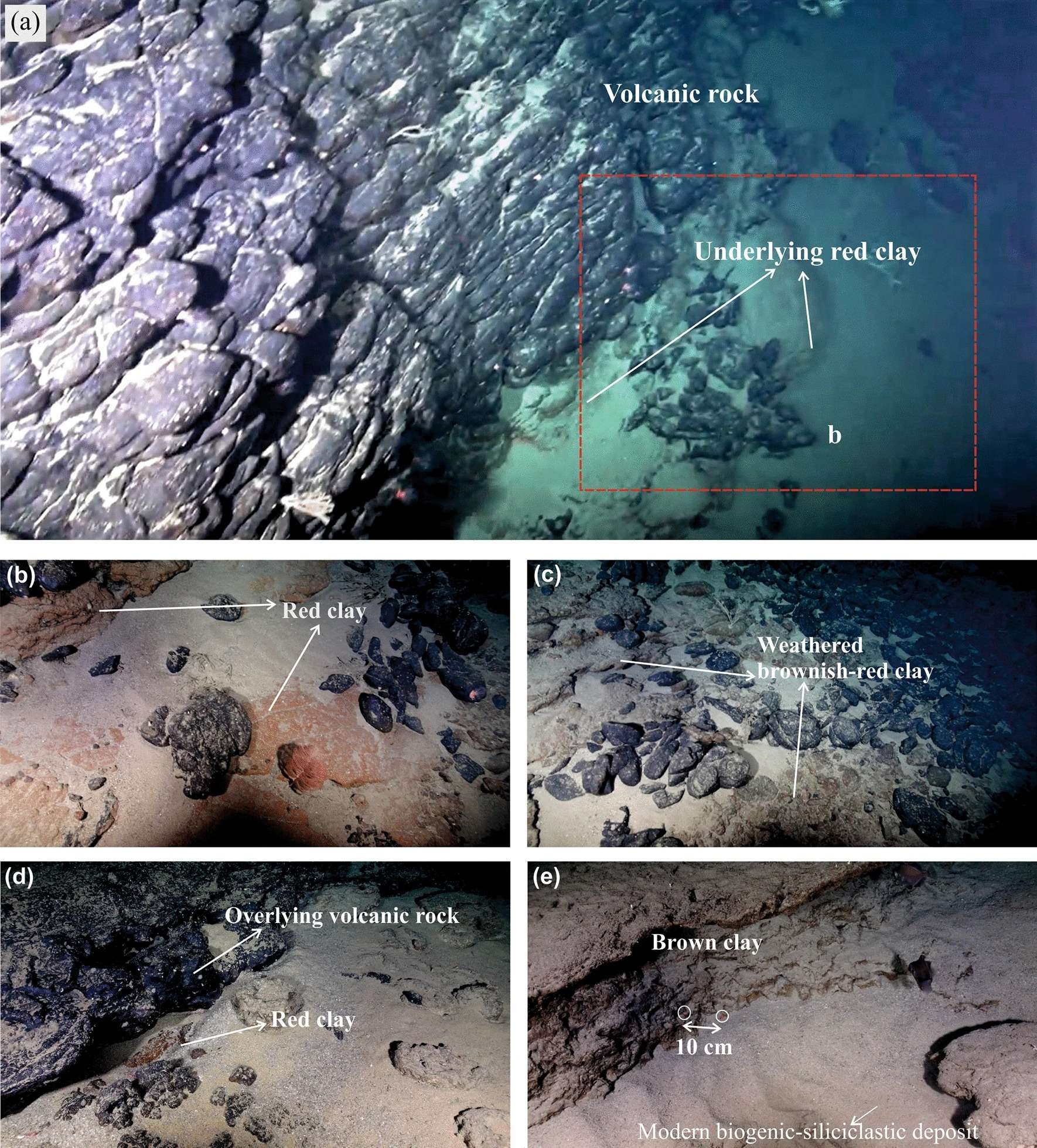
The team discovered extensive layers of red clay more than 2,100 feet underwater, suggesting the area once stood above sea level, hosting tropical soil. As marine geologist Bramley Murton pointed out: “You just don’t find red clay on the seabed.” The clay layers closely resemble tropical soil deposits.
Clues Confirming an Ancient Island
Further mineralogical study of the red clay indicated it was formed under tropical weather conditions, suggesting the land was once exposed to the atmosphere with a humid, tropical climate. The 2023 research reinforced the idea that this seabed formation was once a lush island.
Murton illustrated the discovery: “Imagine a lush tropical island slipping beneath the waves and lying frozen in time. That’s what we’ve uncovered.” The clay also contained minerals associated with volcanic rock transformations, including goethite, hematite, kaolinite, and oxidized magnetite.
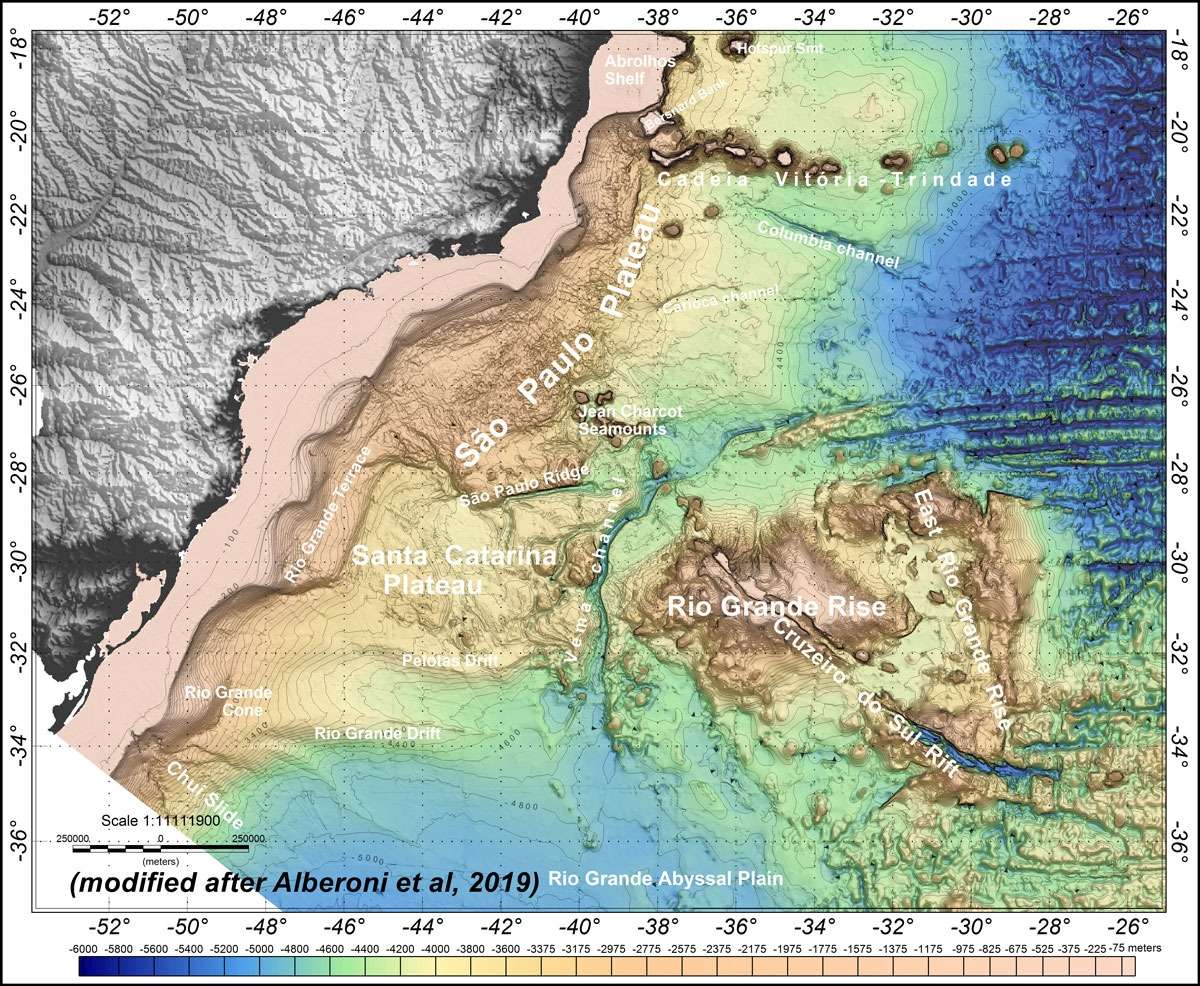
The Geological Evolution of the Rio Grande Rise
The formation originated during a volcanic period triggered by a mantle plume beneath the Atlantic mid-ocean ridge, producing intense volcanic activity. The structure was once a Cretaceous-era analog to Iceland, densely vegetated and up to five times larger than present-day Iceland.
As volcanic forces waned, this plateau shifted closer to South America and eventually sank below the ocean surface. Luigi Jovane, a USP marine geologist, noted the chemical and mineral resemblance between the found red clay and Brazil’s widely known terra roxa (red earth), confirming its island origins.
Dating and Composition of the Submerged Island
Geochronological analysis reveals that the red clay formed following the last volcanic episode, which occurred approximately 45 million years ago.
The region’s formation date is estimated between 30 and 40 million years ago. In an official release, Jovane explained that the red clay resulted from tropical weathering of volcanic rocks. He stated:
“Geologically speaking, we discovered that the clay was formed after the last volcanic activity occurred 45 million years ago. The formation therefore dates from between 30 million and 40 million years ago.”
Economic Significance of the Rio Grande Rise
Aside from its geological importance, the Rio Grande Rise harbors mineral riches critical for modern industries. Deposits of tellurium, nickel, cobalt, and lithium are present, elements essential for advancing sustainable technologies such as battery manufacturing and renewable energy solutions.
These minerals could be pivotal in transitioning from fossil fuels. Jovane stressed the importance of evaluating environmental impact and sustainability if extraction proceeds, observing:
“When you interfere with an area, you have to know how this will affect animals, fungi, and corals, and understand the impact you’ll have on the cumulative processes involved.”
Brazil Seeks Sovereignty Over the Underwater Territory
Following the confirmation of valuable mineral deposits, Brazil has submitted a formal claim to extend its continental shelf, aiming to assert sovereignty over the Rio Grande Rise and secure rights to its resource extraction.
The claim is complex since the region currently falls under the jurisdiction of the International Seabed Authority, governing mining activities in international waters. Brazil’s petition is under consideration and must demonstrate that potential mining would meet sustainability standards.
- Categories:
- Science










0 comments
Sign in to Comment