
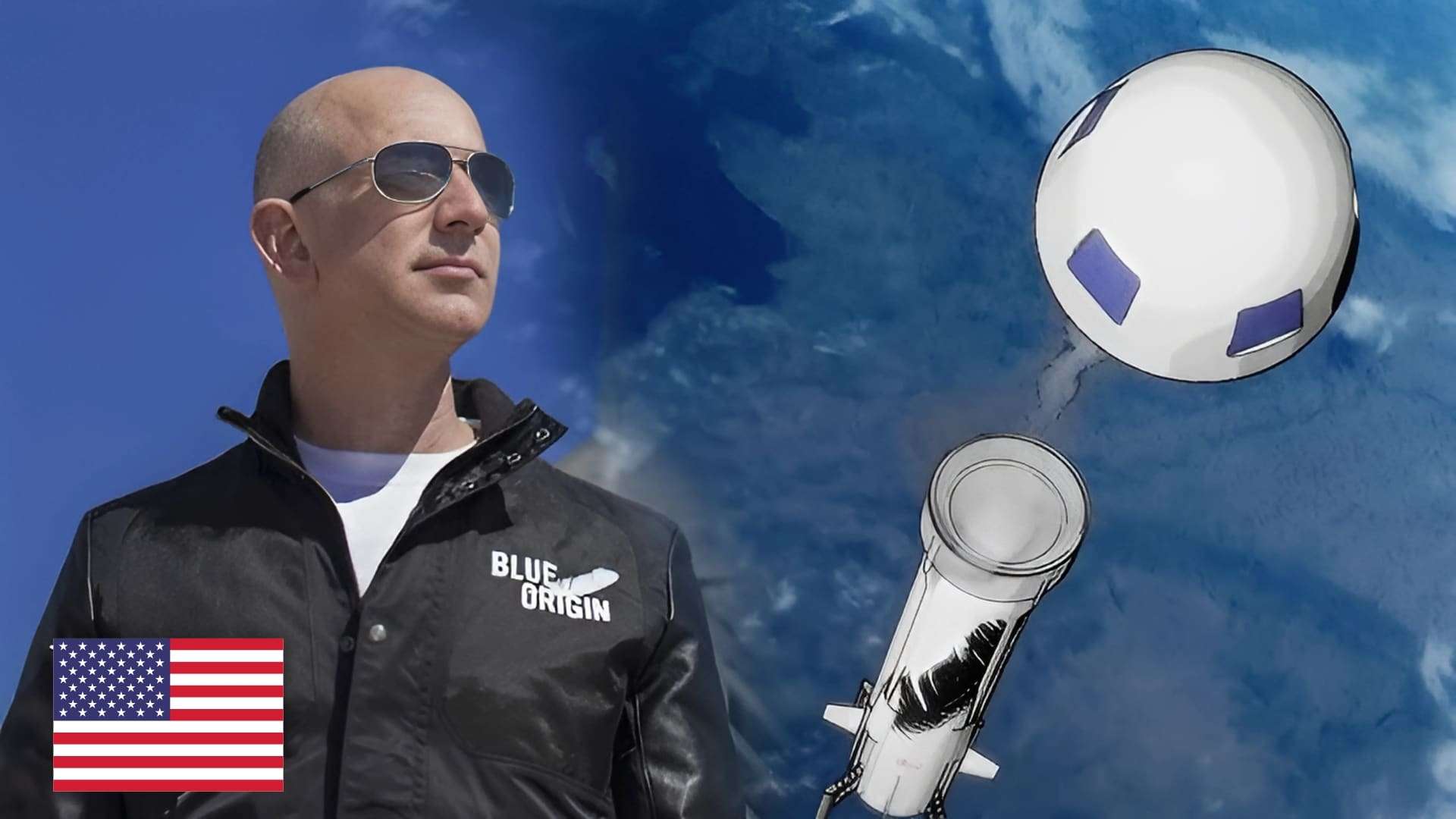
For over twenty years, the International Space Station (ISS) has served as a vital platform for humans in orbit. Yet, with its planned retirement in 2031, a new chapter in space architecture and exploration is emerging. This transition has ignited intense competition among private companies aiming to pioneer the next generation of orbital habitats. Leading this charge, Jeff Bezos and his aerospace firm Blue Origin are unveiling an ambitious new project destined to transform human life in orbit.
Introducing Orbital Reef: The Next-Gen Space Habitat
The Orbital Reef station is planned to orbit at an altitude similar to that of the ISS but is conceived as a multifunctional platform combining scientific research with high-end space tourism. In collaboration with top industry partners, Blue Origin aims to construct a versatile habitat where individuals can reside, conduct experiments, and enjoy the unique experience of space.
Occupying 823 cubic meters, the station will offer lavish living spaces, communal zones, and state-of-the-art laboratories. The initial launch phase is targeted for 2027, with full operational capacity by 2030. Starting with the capacity to host ten residents, its modular build enables expansion to accommodate future growth.

Redefining Humanity’s Cosmic Future
Contrary to common perspectives focused on planetary colonization, Jeff Bezos envisions orbital habitats as the cornerstone of humanity’s sustainable existence beyond Earth. “The future lies in space stations like Orbital Reef, where life, work, and exploration coexist without dependence on a single planet,” Bezos shared during an interview with The New York Times. This vision informs the station’s design, which emphasizes comfort, adaptability, and long-term sustainability.
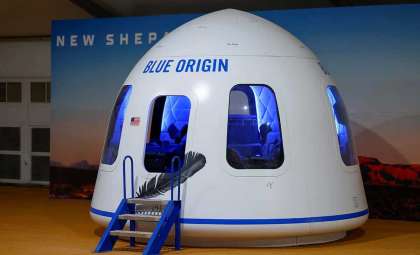
Expansive windows will provide inspiring vistas of Earth and the cosmos, fostering a deep connection with the universe. Each compartment is crafted to marry aesthetics with practical living requirements, ensuring an unmatched orbital experience.
Collaborative Pioneers Driving Innovation
Orbital Reef’s success relies on the expertise of several major aerospace players. Sierra Space contributes its innovative LIFE (Large Integrated Flexible Environment) expandable modules that form the backbone of the habitat. Their adaptable design is essential for sustained human presence. The dependable Dream Chaser spacecraft from Sierra Space will manage crew and cargo transfers.
Amazon will provide vital logistical support, ensuring efficient supply management for the station’s operations. Despite facing some hurdles, Boeing remains a critical technical partner, bringing its aerospace engineering proficiency to the project.
Such a partnership underscores Orbital Reef’s distinctive nature. Mike Griffin, a spokesperson for the Space Tourism Society, noted, “It transcends luxury—this project unites elite talent and cutting-edge tech to create a truly sustainable space habitat.”
Facing Off in the New Space Race
With the ISS nearing the end of its mission, the commercial space travel sector is rapidly evolving. Orbital Reef competes with ventures like Haven-1, a premium space station initiative led by cryptocurrency pioneer Jed McCaleb. Scheduled to debut in 2025 aboard a SpaceX Falcon 9 rocket, Haven-1 targets ultra-wealthy clientele with exclusive offerings.
Despite competition, Blue Origin’s commitment to cooperative development and robust infrastructure endows Orbital Reef with a strategic upper hand. Its focus on both sustainable operation and luxury ensures it will appeal widely, from tourists and scientists to entrepreneurs.
What Makes Orbital Reef Unique
More than just a space station, Orbital Reef is designed as a dynamic ecosystem blending luxury with technological innovation. Its spacious modules, panoramic windows, and modular design cultivate an immersive and adaptable environment. Visitors can expect roomy private quarters, vibrant communal areas, and advanced laboratory facilities.
Thanks to Sierra Space, the station supports extended stays comfortably. The modular construction grants flexibility to evolve based on the needs of occupants—whether they are tourists, researchers, or space-based entrepreneurs.
The Emerging Era of Space Tourism
NASA’s recent $130 million investment in Orbital Reef signals confidence in its potential to revolutionize space exploration. As companies like Blue Origin spearhead these ventures, the boundary between exploration and commercial enterprise narrows. This transition marks a new era that makes space reachable—though primarily to an exclusive audience.
Dr. Emily Richards, a specialist in space habitat architecture, emphasizes, “Orbital Reef is about building a sustainable, enriching lifestyle in space—not just short visits.” The project’s blend of luxury and function highlights the maturation of space tourism into a sophisticated sector expanding human presence beyond Earth.
Looking Ahead to New Frontiers
Jeff Bezos’s Orbital Reef project exemplifies an ambitious vision for humanity’s place among the stars. By merging upscale amenities with pioneering technology and collaborative efforts, Blue Origin aims to elevate expectations of living and working off-world.
As the station’s launch draws nearer in 2027, it ignites widespread imagination, heralding a future where space is not just an exploration zone for scientists but a vibrant, inhabitable destination for humankind.
- Categories:
- News










0 comments
Sign in to Comment