

Off the coast near Copenhagen, the discovery of a submerged wooden vessel has reshaped current knowledge about medieval sea trade in Northern Europe. Unearthed amid seabed explorations linked to urban expansion, this wreck revealed itself as far more significant than typical findings, with its size, preservation, and construction surpassing any previously known 15th-century crafts.
While earlier Baltic excavations uncovered smaller ship remnants often found in fragments without clear context, this particular vessel—named Svælget 2—boasts a fully intact hull, rigging gear, and onboard features. Materials sourced from both Pomerania and the Netherlands indicate a direct involvement in extensive maritime trade routes existing before the rise of Atlantic commerce.
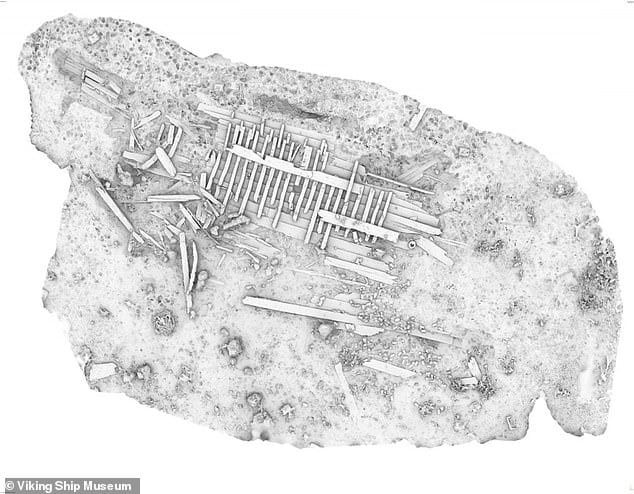
Excavated in 2025, this vessel is now recognized as the largest cog ever documented. Measuring 28 meters in length and able to transport 300 tons, it provides concrete evidence on the scale, design, and operation logistics of a medieval trading system previously understood mainly from historical texts.

Reevaluating Northern Europe’s Maritime Commerce
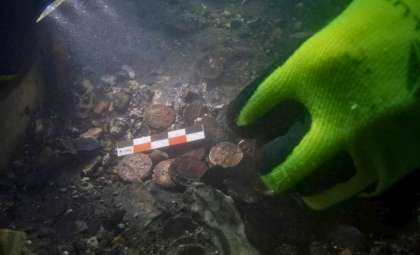
The find of Svælget 2 extends beyond a remarkable archaeological feat; it presents tangible evidence of a transition toward large-scale trade within pre-modern Europe. Conservation work continues at Denmark’s National Museum in Brede as of early 2026, with ongoing analysis of objects linked to the ship’s usage, including painted wooden dishes, bronze cooking containers, rosary beads, and intricately carved sticks possibly intended for drying stockfish.
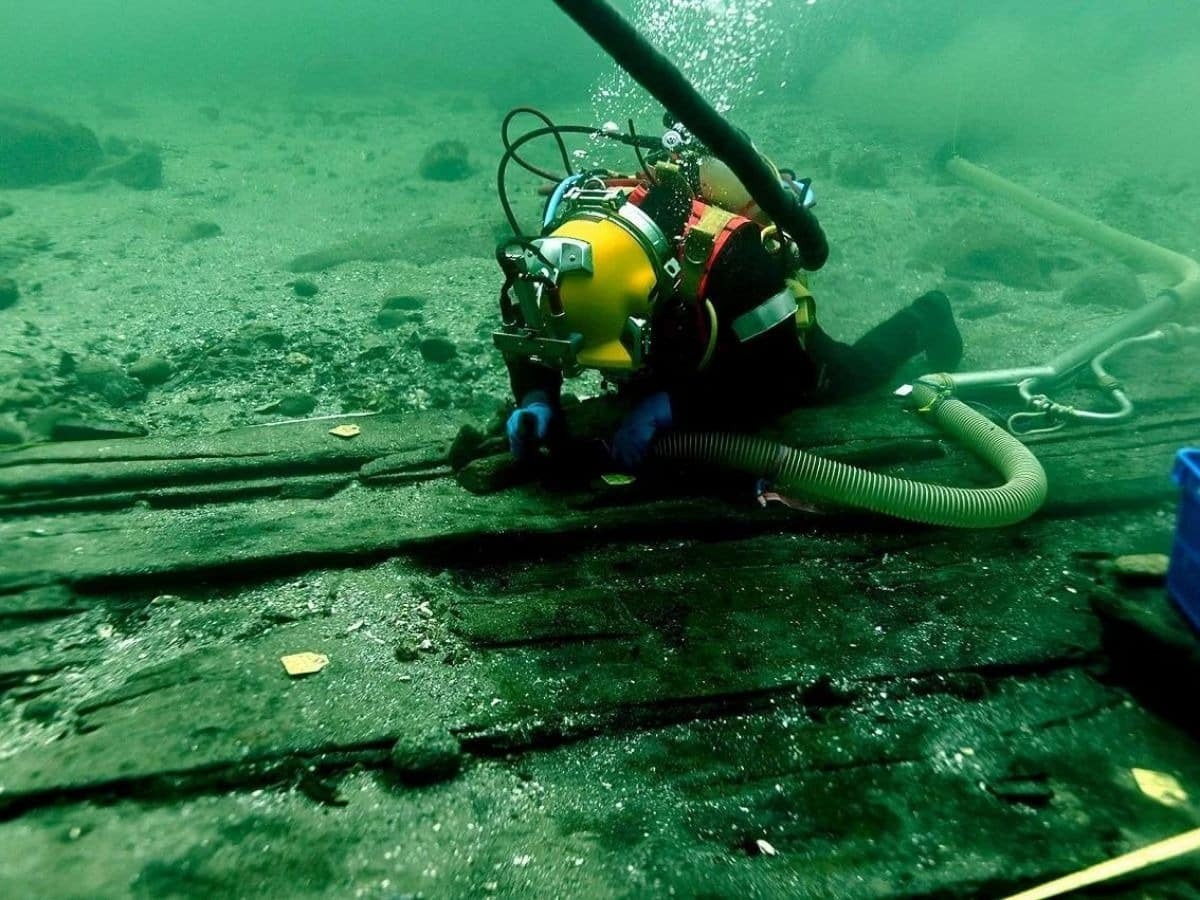
According to the Viking Ship Museum official statement, the ship’s origin likely traces back to shipyards in the Low Countries, renowned for their skill in building sizable cogs. The vessel’s construction combines Dutch framing methods with Pomeranian planking, hinting at cooperative shipbuilding practices across regions—a finding that supports historians’ views on increasing Northern European economic interconnectedness in the early 1400s.
In an era when global maritime operations are scrutinized for sustainability and efficiency, Svælget 2 offers historical insight into international maritime infrastructure developed to support growing trade networks governed by decentralized political systems. The vessel also illuminates the challenges of hauling bulk goods like salt, timber, and grain before the rise of oceanic empires.
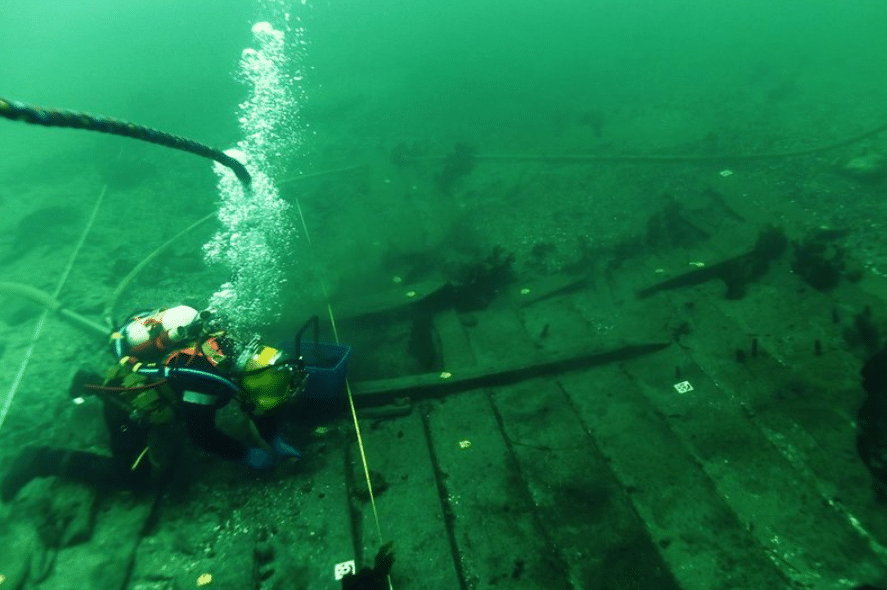
Despite the abundant structural data found, the exact cargo remains unidentified. As highlighted by a technical report in the Daily Mail, experts propose that lightweight or buoyant goods may have scattered during sinking due to the uncovered hold. The lack of ballast suggests the ship was fully laden when it sank.
Architectural Details Reveal Changing Living Conditions for Crew
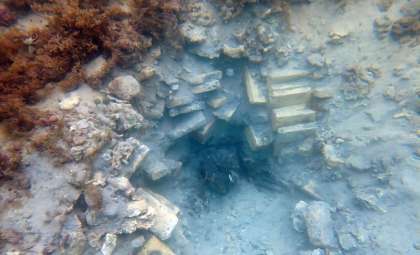
A standout feature of this wreck is the presence of an onboard galley, with a cooking area built from around 200 bricks and 15 ceramic tiles—a first within Danish maritime finds. This points to enhanced crew amenities surpassing previous ideas about medieval working ships, which typically had exposed decks and limited food storage.
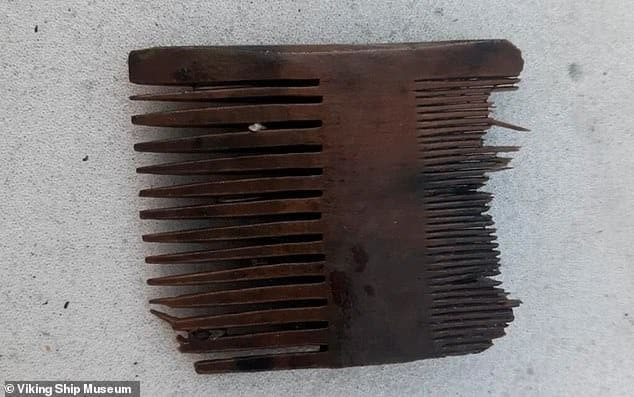
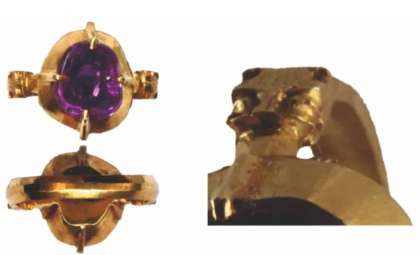
Recovered artifacts, including leather shoes, wooden combs, and devotional objects, reveal details about daily life on board. These suggest a higher level of personal care and comfort than seen in earlier open-deck vessels like those from the Viking age, implying longer journeys that required improved onboard conditions.
“The sailor brought his comb to keep his hair neat and his rosary to say his prayers,” excavation leader Otto Uldum shared with the museum’s press office. “We have the remains of the pots his food was cooked in and the bowls he ate from. These personal objects show us that the crew brought everyday items with them.”

Researchers emphasize that Svælget 2 shows no indicators of military equipment. The ship lacked weapons, reinforced structures, or mounts, confirming its exclusive use as a trading vessel during a period when piracy and maritime conflict were common in the Baltic and North Sea.
Challenges Around Preservation and Funding
Preservation of Svælget 2 is complicated by logistical and financial hurdles. The Danish National Museum is currently overseeing conservation, yet plans for public exhibition are not finalized. While the Danish government partially supports the effort, sustaining long-term maintenance demands ongoing institutional commitment, posing challenges for funding.
Funding came from By & Havn, the public-private consortium managing Copenhagen’s port growth. Project managers confirmed early collaboration with archaeologists during seabed exploration, though the magnitude of the find was unexpected.
Additionally, no EU-wide framework exists for managing medieval artifacts shared across borders, despite the vessel having origins in contemporary Poland and the Netherlands. Present bilateral cultural agreements provide limited guidance on protecting heritage with multinational roots.
- Categories:
- News









0 comments
Sign in to Comment