
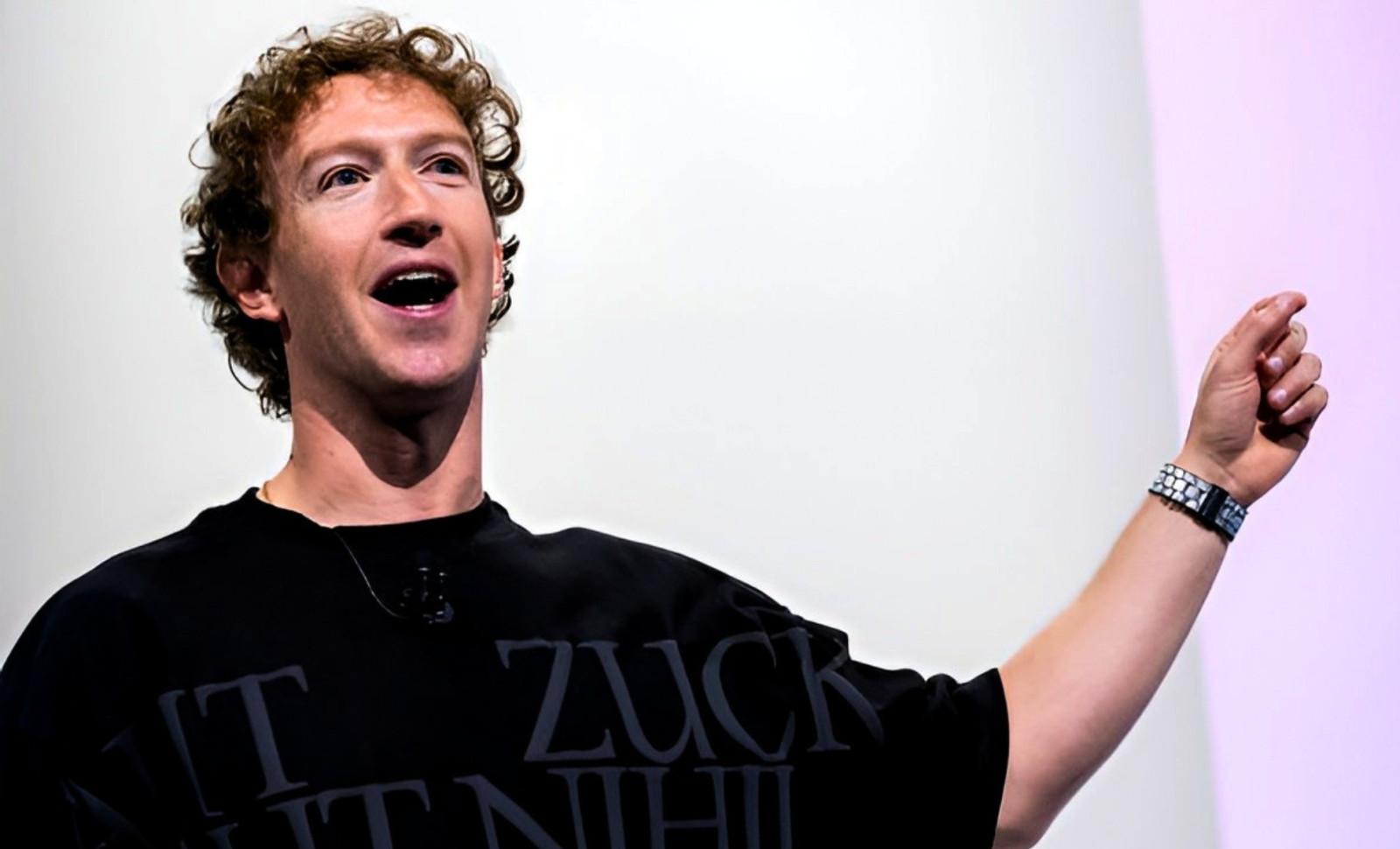
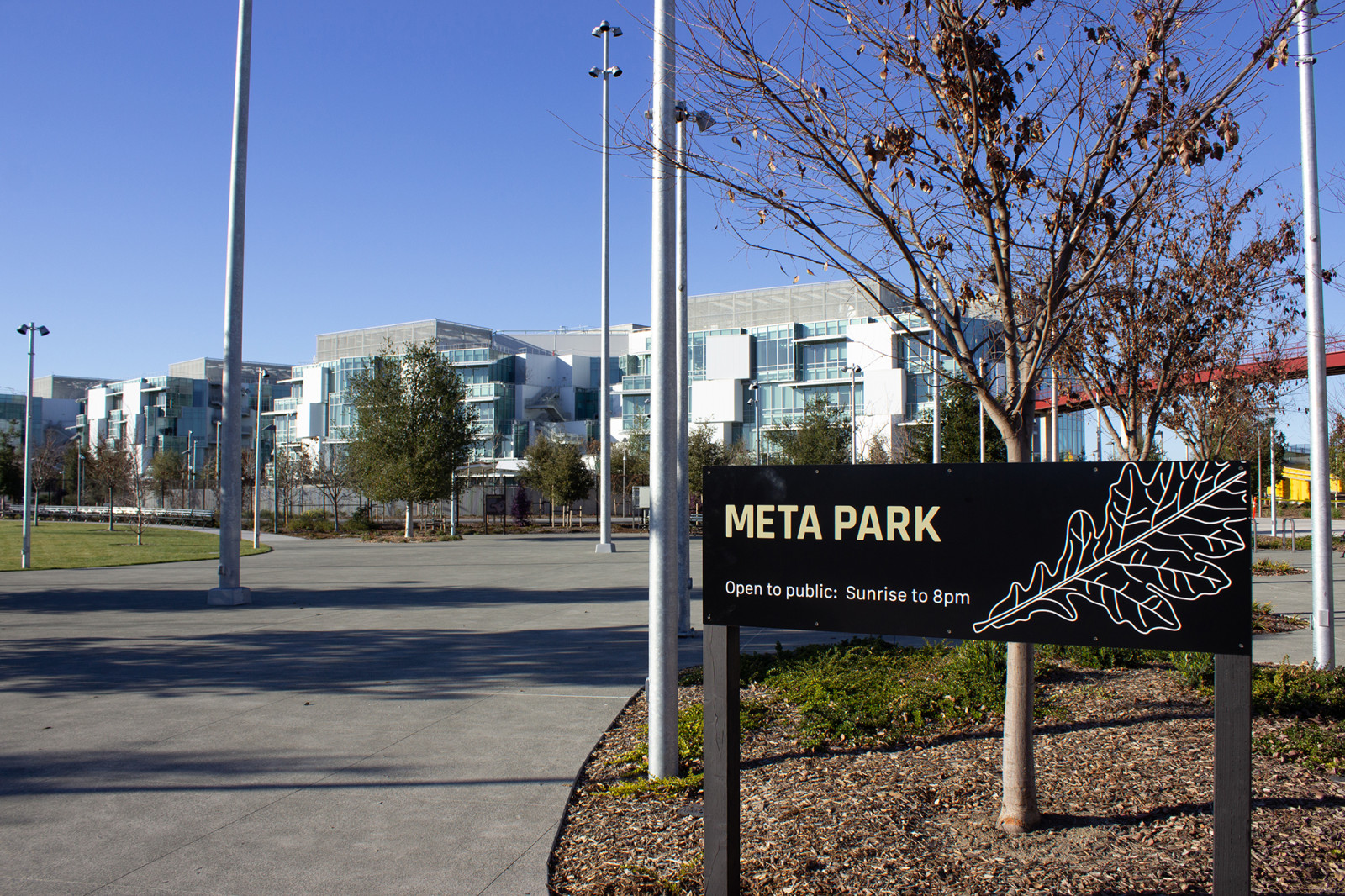
The executive briefing space at Meta’s Menlo Park headquarters remains familiar, with whiteboards covering the walls and a long conference table equipped with cameras for remote participants. However, an unconventional attendee now joins these meetings—a software-based AI companion.
Mark Zuckerberg initiates select discussions by launching a specialized AI assistant on his laptop. This tool has been crafted using extensive internal data, engineering plans, and prior operational insights. Unlike a typical participant, the AI remains silent during meetings, compiling summaries and highlighting potential oversights afterwards.
The assistant’s role is not to code or authorize expenditures but instead to observe, analyze, and flag discrepancies. A Wall Street Journal article revealed instances where the AI pinpointed duplicated efforts—such as two independent teams unknowingly developing overlapping computer vision projects.

An AI-Driven Executive Aide
Over the last year and a half, Meta has rapidly expanded its AI infrastructure, maintaining some of the industry’s most extensive training hardware setups. A segment of this technology is now dedicated exclusively to supporting the CEO’s decision-making.
Zuckerberg described the AI assistant as a tool to maintain comprehensive awareness amid a company employing more than 78,000 staff members. The system gathers data from product status boards, engineering reports, and strategic plans, delivering tailored briefings for Zuckerberg’s review. It can also highlight when a project deviates from its original goals.
"Empowering Individuals and Simplifying Structures"
Meta’s adoption of AI-enhanced productivity goes beyond executive use. In a recent earnings presentation, Zuckerberg shared the company’s shift in how work is organized.
“We’re developing AI-native tools to boost individual output at Meta,” he explained. “This enables us to empower individual contributors and flatten organizational hierarchies.” He added optimistically, “This approach will not only increase productivity but also enhance job satisfaction.”
This strategy is reflected in project design, where tasks that once needed large groups can now be handled by highly skilled individuals. AI utilization has even been integrated into performance reviews for employees.
Existing AI Utilities at Meta
Meta’s workforce already employs various AI-powered tools that preview the CEO’s assistant’s capabilities. Among them is My Claw, a personal AI agent able to access work chats and documents to communicate with colleagues or other AI agents.
Another innovation, Second Brain, developed internally using Anthropic’s Claude model, indexes project-related materials and answers intricate queries. Employees liken it to an AI chief of staff.
Additionally, Meta has created an internal chat platform where AI agents can independently interact with one another, evoking the pioneering spirit of Facebook’s early days with the motto “move fast and break things.”
How the CEO’s AI Assistant Operates
For Zuckerberg, this AI assistant addresses a critical challenge: streamlined access to information. Instead of relying on multiple management layers for updates, the system supplies direct answers. The Wall Street Journal noted that this bypassing of human intermediaries accelerates Zuckerberg’s access to relevant data.
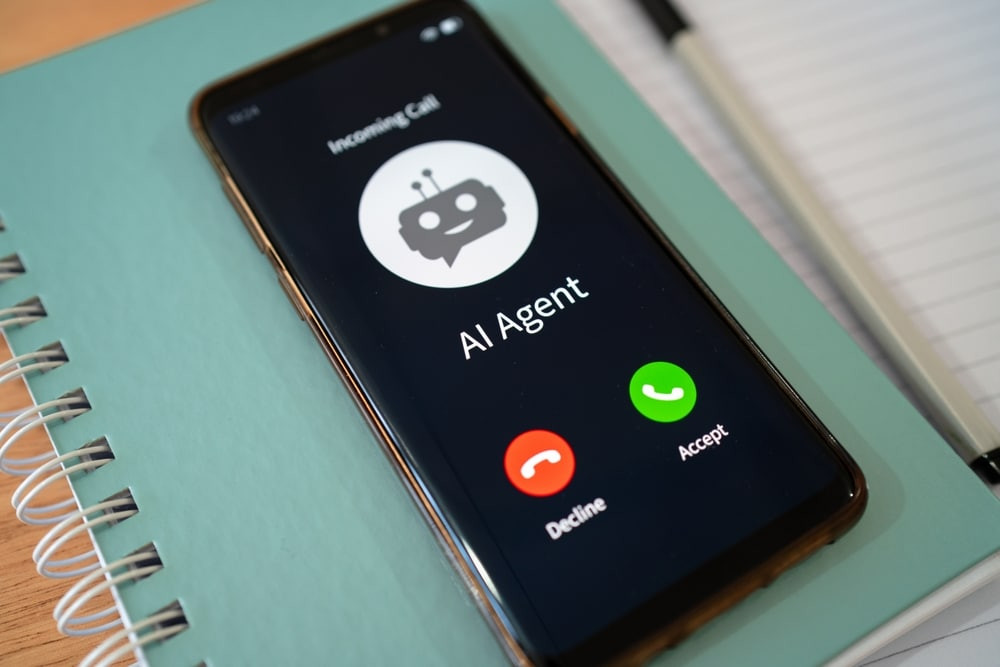
The assistant remains in testing phases and does not independently make decisions. Its main function is to present information, highlight irregularities, and detect connections that human staff might overlook. One notable success was identifying redundant funding between two teams developing similar computer vision features, a problem rectified after Zuckerberg’s intervention.
"Creating Personal Superintelligence for All"
This project fits into Zuckerberg’s broader ambition for AI. In a July 2025 message on Meta’s website, he outlined the company’s aim to deliver superintelligence—AI surpassing human cognitive abilities in reasoning, memory, and knowledge—to individuals everywhere.
“I am highly hopeful that superintelligence will accelerate human progress,” Zuckerberg stated. He emphasized that Meta’s strategy differs from other firms by focusing on highly personalized AI helpers assisting users in achieving their goals.
“This contrasts with others who advocate for centralized superintelligence systems automating all work and providing humans with the benefits,” he explained.
Investing Heavily in AI Development
Meta has committed significant resources to realize this vision. The company invested $14.3 billion in Scale AI and brought on its CEO, Alexandr Wang, to helm Meta Superintelligence Labs as chief AI officer. They have also recruited talents from leading AI organizations such as OpenAI, Google, and Anthropic.
Zuckerberg acknowledged the massive financial and safety challenges ahead, estimating the superintelligence push could reach “hundreds of billions of dollars.” Nonetheless, he stressed that building a free society depends on empowering individuals as much as possible.
Currently, Zuckerberg continues to lead meetings, evaluate products, and make ultimate decisions. The AI assistant does not replace his role but ensures essential data is at his fingertips during those moments.
- Categories:
- News











0 comments
Sign in to Comment