
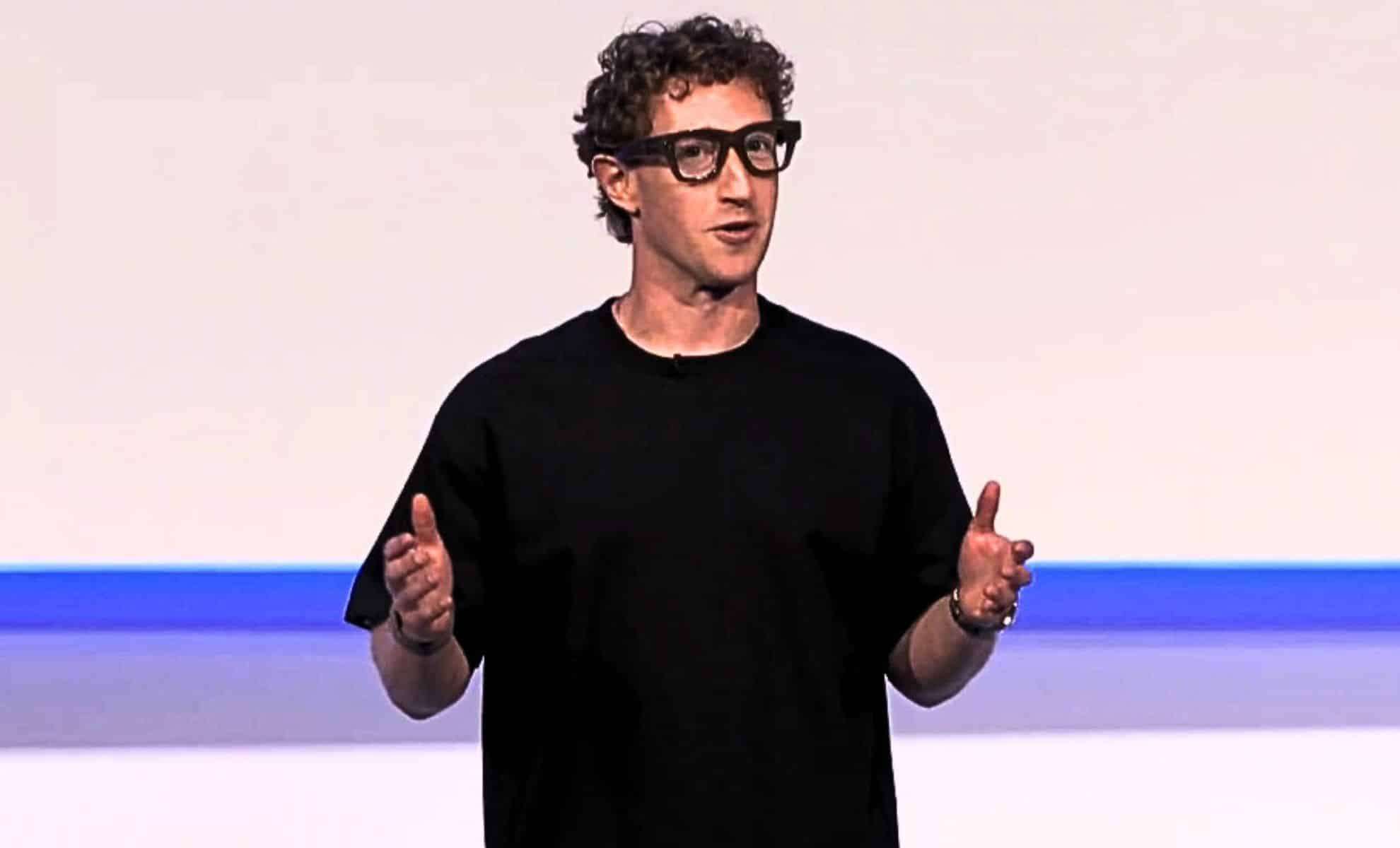
At Meta Connect 2025, Mark Zuckerberg introduced the new Ray-Ban Meta Display smart glasses with great anticipation. Promoted as a breakthrough in wearable AI technology, the live demonstration was supposed to showcase how seamlessly these glasses integrate AI assistance into daily life. Instead, technical difficulties turned the presentation into a vivid illustration of the challenges behind innovative tech launches.
These smart glasses feature a 12MP wide-angle camera, embedded display, directional microphones, and open-ear speakers, designed to offer hands-free navigation, messaging, and AI-powered interactions. Complementing the hardware is the Neural Band wrist device, which interprets muscle signals to trigger commands using subtle hand gestures.
However, when Zuckerberg took the stage, the prime features stumbled. The voice assistant failed to respond to activation prompts, video calls couldn’t be completed, and gesture controls were ineffective. Caught off-guard, Zuckerberg repeatedly called out “Hey Meta” before conceding, “I don’t know what to tell you.”


Inside the Glitch: Meta’s Internal Overload
Meta CTO Andrew Bosworth later clarified that the issue wasn’t hardware-related but stemmed from a demo configuration error. Instead of connecting to a robust production server, the devices were linked to a development server, creating a bottleneck.
When several speakers repeatedly triggered the “Hey Meta” command, all devices inside the venue responded simultaneously. This surge of requests overwhelmed the system, effectively causing a denial-of-service scenario. As Bosworth described it, “We DDoS’d ourselves.”
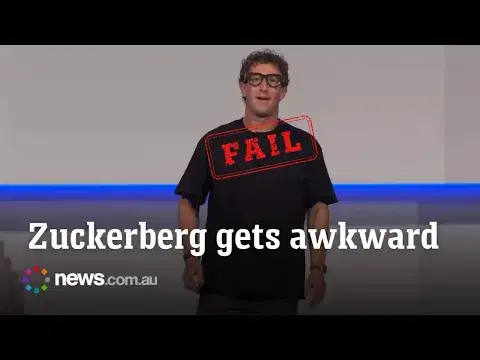
A distributed denial-of-service (DDoS) attack is typically an external interference that floods servers with malicious traffic. In this unusual instance, Meta's own ecosystem inadvertently replicated this effect, degrading system responsiveness. Bosworth assured that this was a demonstration mishap, emphasizing, “You guys know we can do video calling.”
Cooking Segment Fails to Impress
During a follow-up segment, culinary influencer Jack Mancuso collaborated with Zuckerberg to highlight the glasses’ LiveAI cooking assistant. The goal was for the glasses to guide users through recipes interactively. When Mancuso asked, “What do I do first?” the AI incorrectly responded, “You’ve already combined the base ingredients.” despite the bowl being empty.
Attempting to lighten the moment with a joke about poor Wi-Fi, Mancuso’s humor was met with knowing silence from the audience. This instance symbolized the larger problem: although the hardware presented as sleek and polished, the AI’s performance remained inconsistent during crucial moments.

Priced at $799 and bundled with the Neural Band wrist device, the glasses boast a display capable of reaching 5,000 nits peak brightness at 600×600 pixels, ensuring visibility even in sunlight. Despite these advanced specifications, the event exposed lingering issues with system dependability under stress.
Setbacks But Not Defeats
Though the live event was marred by errors, initial hands-on reviews from journalists were more positive. Private trials reportedly showed responsive AI features, smooth display overlays, and intuitive gesture controls. Additionally, many appreciated the design, which retains Ray-Ban’s classic aesthetic without overtly broadcasting its tech nature.
Meta’s stock remained stable despite the public demonstration setbacks. However, as the wearable AI market intensifies—with tech giants like Apple, Google, and Amazon ramping up efforts—Mistakes on the stage underscore the increasing pressure on companies to deliver flawless experiences. Gartner forecasts that global expenditure on wearable AI devices will exceed $42 billion by 2027, driven by applications in health, navigation, and productivity.
Meta’s vision is heavily invested in AI-powered augmented reality. Recent patent filings indicate active research in adaptive displays and multi-input neural interfaces. Nevertheless, this week's hiccup highlights how complex it remains to move from prototype to seamless user-ready technology.
- Categories:
- News













0 comments
Sign in to Comment