
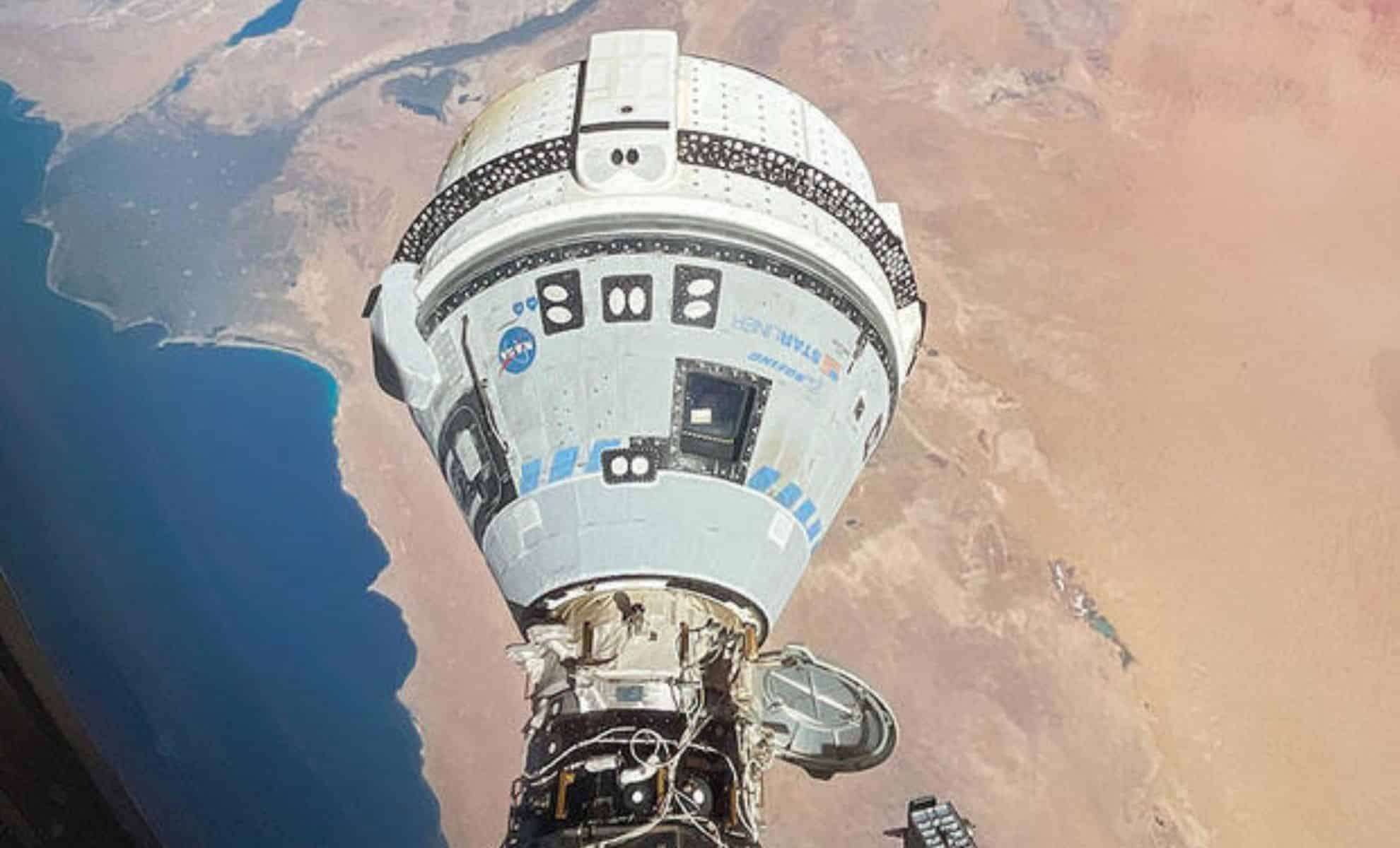
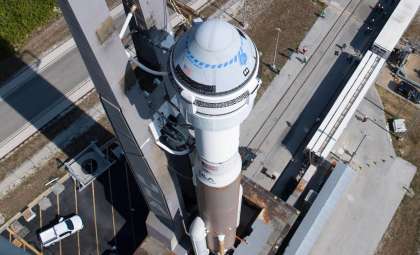
NASA and Boeing have postponed the Starliner crew's journey back from the International Space Station (ISS) due to persistent technical complications affecting the spacecraft.
Test pilots Butch Wilmore and Suni Williams, who arrived at the ISS on June 5, were initially scheduled for a week-long stay. However, they continue to orbit while engineers work to resolve critical issues with the Starliner capsule, notably thruster malfunctions and helium leaks discovered during docking operations.
Ongoing Technical Issues and Diagnostics
The postponement follows a series of thruster failures experienced on June 6 as the Starliner spacecraft neared the ISS. Five thrusters failed to fire correctly, raising serious concerns about propulsion reliability. Although technicians managed to reactivate four thrusters, investigations into the underlying causes are still underway.

Steve Stich, NASA’s commercial crew program leader, stressed the importance of caution, stating, “We’ll come home when we’re ready,” emphasizing that no set return date has been established. This reflects the priority placed on comprehensive testing and ensuring spacecraft safety for the astronauts.
The thruster difficulties were compounded by helium leaks found during early inspections after docking. Engineers suspect worn seals may have compromised thruster function. In response, NASA and Boeing executed hot-fire ground tests on a spare thruster unit in New Mexico.
These experiments are designed to mimic in-flight conditions and collect data to pinpoint the problem. NASA’s recent statement noted, “Teams are reviewing the test results, with leadership planning to discuss preliminary insights soon.”
Starliner Test Underlines Challenges and Safety Priorities
This flight represents the first manned test mission for Boeing’s CST-100 Starliner, a pivotal test in NASA’s Commercial Crew initiative. This program aims to ensure dependable transport of astronauts to and from the ISS, alongside the capabilities of SpaceX’s Crew Dragon. The technical setbacks reveal the complexity involved in developing and certifying new spacecraft systems.
They also highlight the rigorous safety checks necessary for crewed spaceflights. Mark Nappi, Boeing’s Starliner program lead, stated, “Resolving these issues quickly and thoroughly remains our top priority to guarantee a safe journey home for our crew and overall mission success.” This dedication to safety is critical as NASA and Boeing work to make Starliner a reliable option for upcoming missions.
The delays and additional troubleshooting may affect NASA’s wider schedule for manned spaceflights. The Commercial Crew Program is vital for sustaining continuous U.S. presence aboard the ISS and supporting diverse scientific and international projects.
Next Steps and Return Outlook
Return plans for the crew are still undecided, pending further testing and evaluation to confirm full operational capability of the Starliner. NASA and Boeing are continuing thruster test firings while the capsule remains docked, gathering data to refine their understanding. The results will be key to defining the timeline for returning the astronauts safely to Earth.
The agencies are also examining mission data for any repercussions on forthcoming flights, including Crew-1 and Crew-2 missions, which are essential components of NASA’s sustained human spaceflight efforts.
In addition, NASA and Boeing are exploring possible design improvements and enhanced safety protocols to avoid such problems in future missions. Insights gained from this mission will contribute not only to the Starliner program but also to NASA’s broader human space exploration strategies.
- Categories:
- Astronomy ,
- News ,
- Nasa ,
- Aircraft





0 comments
Sign in to Comment