
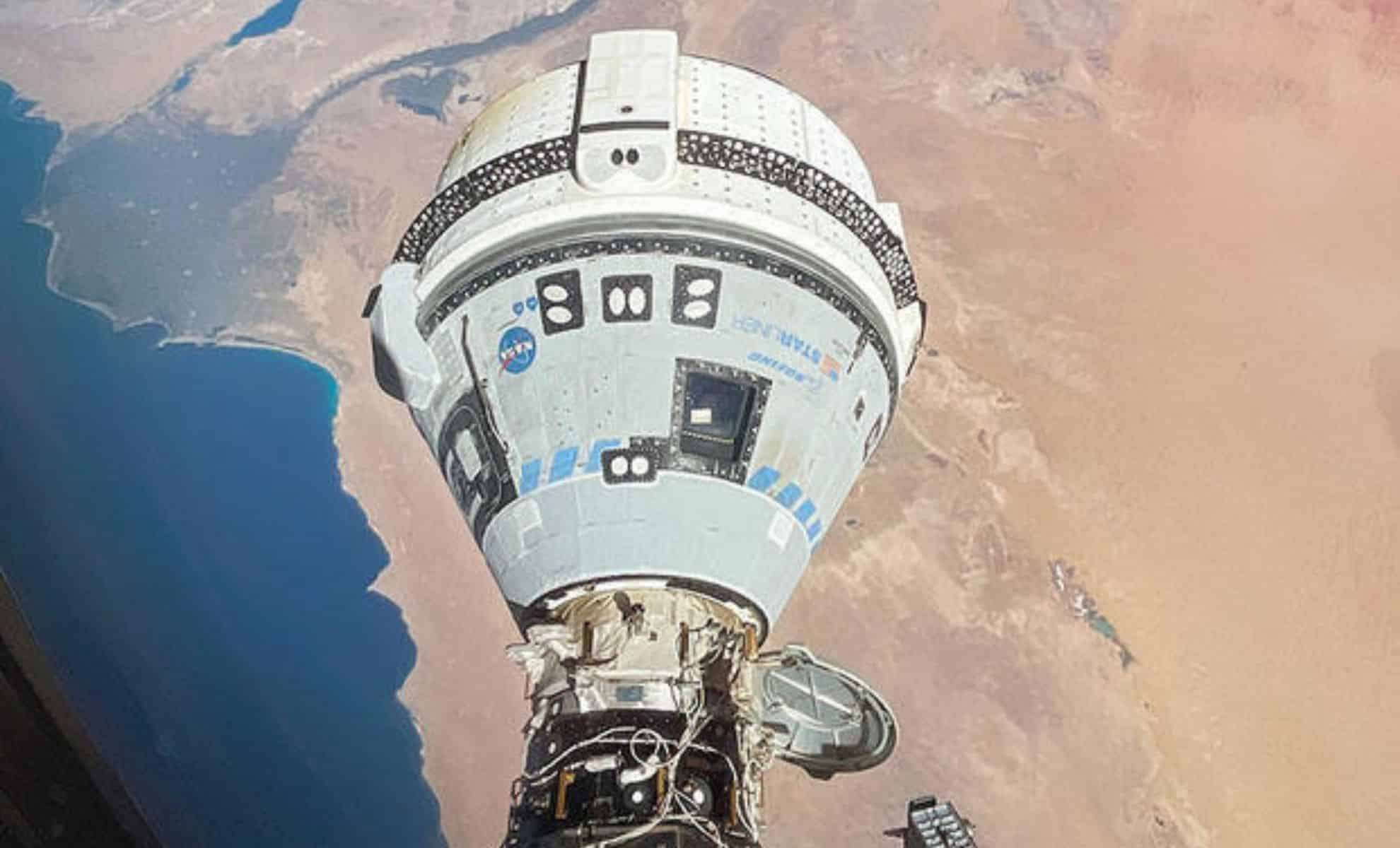
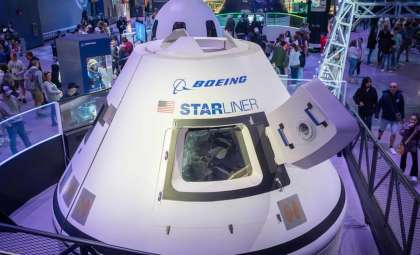
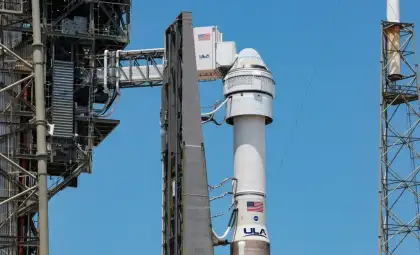
Boeing’s Starliner spacecraft, carrying its inaugural astronaut team from the International Space Station (ISS), will now return later than planned. NASA officials have set a new return milestone for June 26.
Overview of the Mission and Return Delays
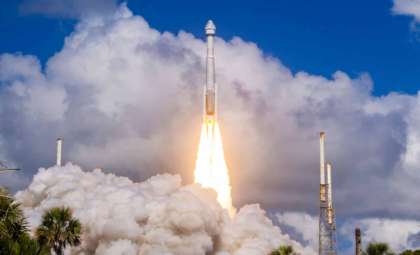
NASA astronauts Butch Wilmore and Suni Williams launched aboard Starliner on June 5. During the 24-hour transit to the ISS, the spacecraft experienced complications, including four helium leaks and failures in five of its 28 maneuvering thrusters. Mark Nappi, the program manager for Boeing’s Starliner, stated, "We’ve identified that our helium system isn't functioning as originally designed. While still manageable, the system is not performing as intended." He further mentioned Boeing’s commitment to completely resolve these problems before the Starliner’s next flight. “On the positive side, the extended stay at the ISS allows us to collect valuable data to deepen our understanding of these issues.”

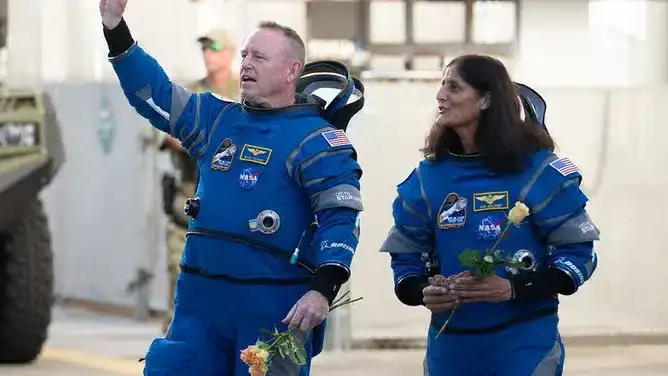
This operation is a pivotal moment for Boeing, serving as the final major test before NASA can approve the Starliner for regular astronaut missions, complementing SpaceX’s Crew Dragon as America’s second crewed spacecraft.
Steve Stich, NASA’s commercial crew program manager, explained the decision behind the delay: “With a crew aboard, we need to thoroughly examine every aspect to ensure no issues remain. We’re also reviewing how different systems interact to make sure everything is functioning safely before returning.”
He added, “I appreciate that the vehicle remains docked longer. This provides a chance to observe thermal performance and battery charging cycles in the station’s environment, which is vital for future missions. There is a benefit in prolonging the vessel’s stay on the ISS.”
Historical Setbacks and This Mission’s Context
Boeing’s Starliner initiative has encountered significant challenges over time. The 2019 uncrewed test mission was marred by software errors, design flaws, and management difficulties that prevented docking with the ISS. While a successful uncrewed test was accomplished in 2022, the current crewed flight has exposed persistent concerns.
NASA stressed the importance of verifying all systems function flawlessly before Starliner’s Earth return. “This inaugural crewed flight is a crucial final evaluation in a program that has faced delays and budget overruns, before the spacecraft receives certification for routine missions,” the agency noted.
Designed for missions up to six months, the Starliner can remain docked for a maximum of 45 days during this flight. The return trip is projected to take roughly six hours, with potential touchdown locations in Utah or New Mexico deserts and alternative sites depending on weather conditions.
Next Steps and Ongoing Development
The repeated postponements and technical challenges in Boeing’s Starliner highlight the difficulty in perfecting dependable crewed spaceflight technology. As NASA works toward certifying this spacecraft for ongoing missions, these final assessments are essential to confirm the vehicle’s reliability and crew safety. Successfully certifying Starliner would represent a major achievement, providing a vital alternative to SpaceX’s Crew Dragon and strengthening U.S. capabilities for human spaceflight.
NASA’s insistence on rigorous testing before certification demonstrates its strong commitment to protecting astronauts and ensuring mission success. The outcomes of this mission will greatly influence Boeing’s role in the exploration of space and NASA’s future astronaut transport plans. Careful observation and analysis will continue as the mission progresses toward the updated return schedule.
These delays also emphasize the significance of collaboration between NASA and its commercial partners in troubleshooting and solving technical hurdles. Such partnerships will remain crucial as the space industry moves forward toward sustained human presence beyond Earth.






0 comments
Sign in to Comment