
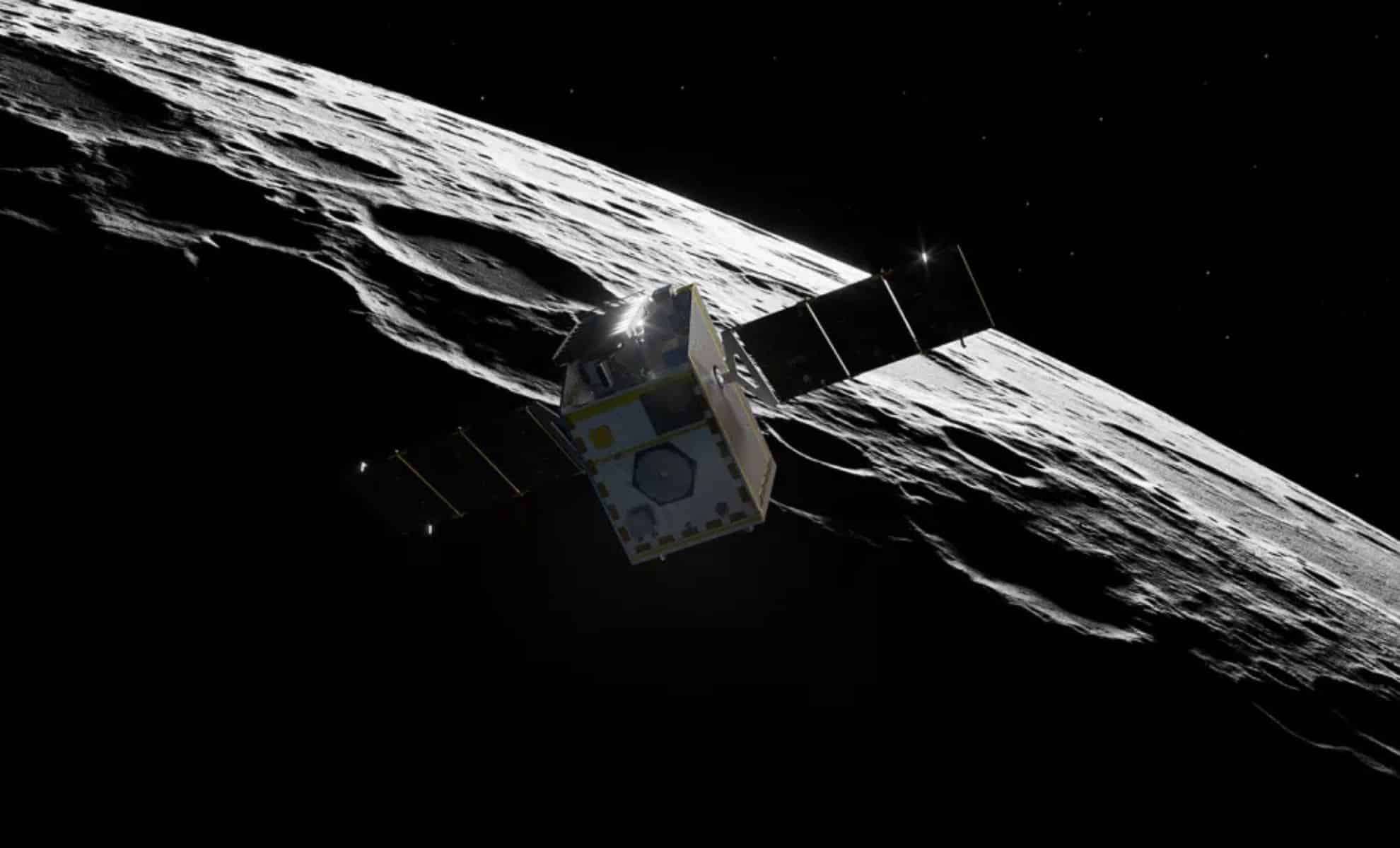
Scheduled for launch on February 26, 2025, NASA’s Lunar Trailblazer mission aims to revolutionize lunar exploration by mapping the Moon’s water in unprecedented detail, all while conserving fuel using an ingenious flight path. Although compact and lightweight, this mission promises to yield vital scientific insights critical for upcoming human and robotic ventures on the lunar surface. Taking advantage of a novel low-energy transfer route, the spacecraft will leverage gravity assists from the Earth, Sun, and Moon to reduce propulsion demands and optimize fuel usage.
The space vehicle, with a mass of just 440 pounds (200 kilograms), carries two cutting-edge instruments designed to chart lunar water deposits, focusing especially on the permanently shadowed craters around the South Pole, locations believed to contain hidden ice. This effort promises to produce some of the most comprehensive maps of water distribution on the Moon, a resource critical for sustained lunar operations.
Exceeding Expectations: Lunar Trailblazer’s Global Collaboration and Advanced Instrumentation
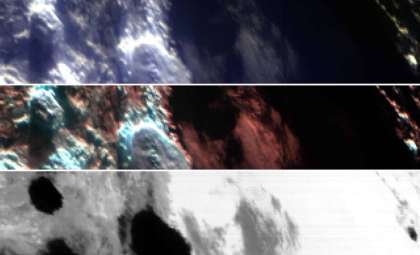
Though modest in scale, Lunar Trailblazer stands out by integrating sophisticated technology and a broad multinational team. It features two advanced instruments: the High-resolution Volatiles and Minerals Moon Mapper (HVM3) and the Lunar Thermal Mapper (LTM). Working together, these devices will provide detailed insights into the lunar surface’s composition and thermal characteristics. The HVM3 instrument uses infrared spectroscopy to detect water and minerals, while the LTM device measures surface temperatures to better understand water retention in shadowed areas.

“Our compact international team reflects a scope usually seen in larger projects,” stated Andy Klesh, project systems engineer for Lunar Trailblazer at NASA’s Jet Propulsion Laboratory (JPL). “Unlike typical small missions narrowly focused on single objectives, we carry two high-end instruments. This mission truly goes beyond what’s expected.” This collaborative effort across nations and institutions highlights the global spirit of space exploration and the power of diversified expertise.
An Innovative and Fuel-Conscious Route to the Moon
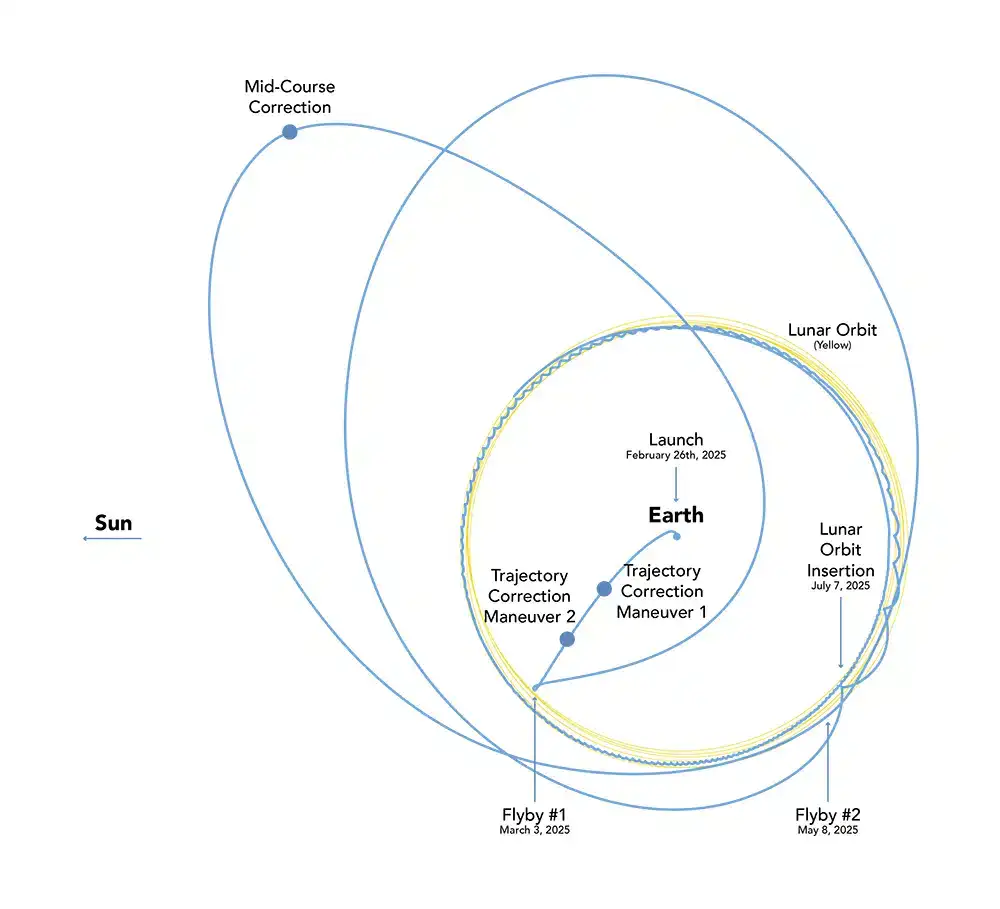
Lunar Trailblazer distinguishes itself through its fuel-saving trajectory. Following launch on a SpaceX Falcon 9 rocket, it will initially pass beyond the Moon, then utilize several Earth flybys to gradually adjust its orbit in a series of gravity-assisted maneuvers. This method drastically limits fuel consumption compared to direct transfers.
“The rocket’s initial thrust sends the spacecraft past the Moon into deep space,” explained Gregory Lantoine, mission design and navigation lead at JPL. “Subsequent lunar flybys and Earth loops harness gravity to naturally modify its path, enabling orbital capture around the Moon with very little propulsion.” Embracing these gravitational assists ensures maximum fuel reserves remain for detailed scientific observations once in lunar orbit.
Innovation and Versatility: The Hallmarks of Lunar Trailblazer
As a participant in NASA’s SIMPLEx (Small Innovative Missions for Planetary Exploration) program, Lunar Trailblazer exemplifies a flexible approach to planetary exploration, emphasizing innovative technology and openness to risk. This mission’s success relies heavily on a cooperative international framework involving agencies like NASA, Caltech, Oxford University, and others. The team’s ability to adapt and creatively solve challenges is central as it manages state-of-the-art instruments under a tight budget and schedule.
“We are a compact mission with ambitious scientific targets, so our success depends on embracing flexibility,” said Lee Bennett, operations lead at IPAC. “Our international team integrates expert engineers, scientists from numerous institutions, and emerging talent including students who get a unique chance to contribute to a NASA mission.” This blend of experience and fresh perspectives fosters an inspiring environment driving the mission forward.
Unveiling Lunar Water: Paving the Path for Next-Generation Exploration
Lunar Trailblazer marks a significant advance in mapping and understanding the Moon’s water reserves, a critical asset for sustaining future exploration activities. By pinpointing water ice, particularly in shadowed polar regions, the mission equips NASA and private enterprises with information essential for establishing lunar habitats. The ice deposits have promising potential for supplying water, supporting life support, and generating fuel needed for extended stays on the Moon.
Once in orbit, Lunar Trailblazer will complete about 12 lunar circuits daily, capturing data from varying sunlit conditions to compose high-resolution surface maps. These detailed datasets are invaluable for planning upcoming robotic and crewed missions. By mission end, Lunar Trailblazer will have enriched our understanding of lunar surface conditions, laying groundwork for sustainable exploration in the decades ahead.
- Categories:
- News







0 comments
Sign in to Comment