
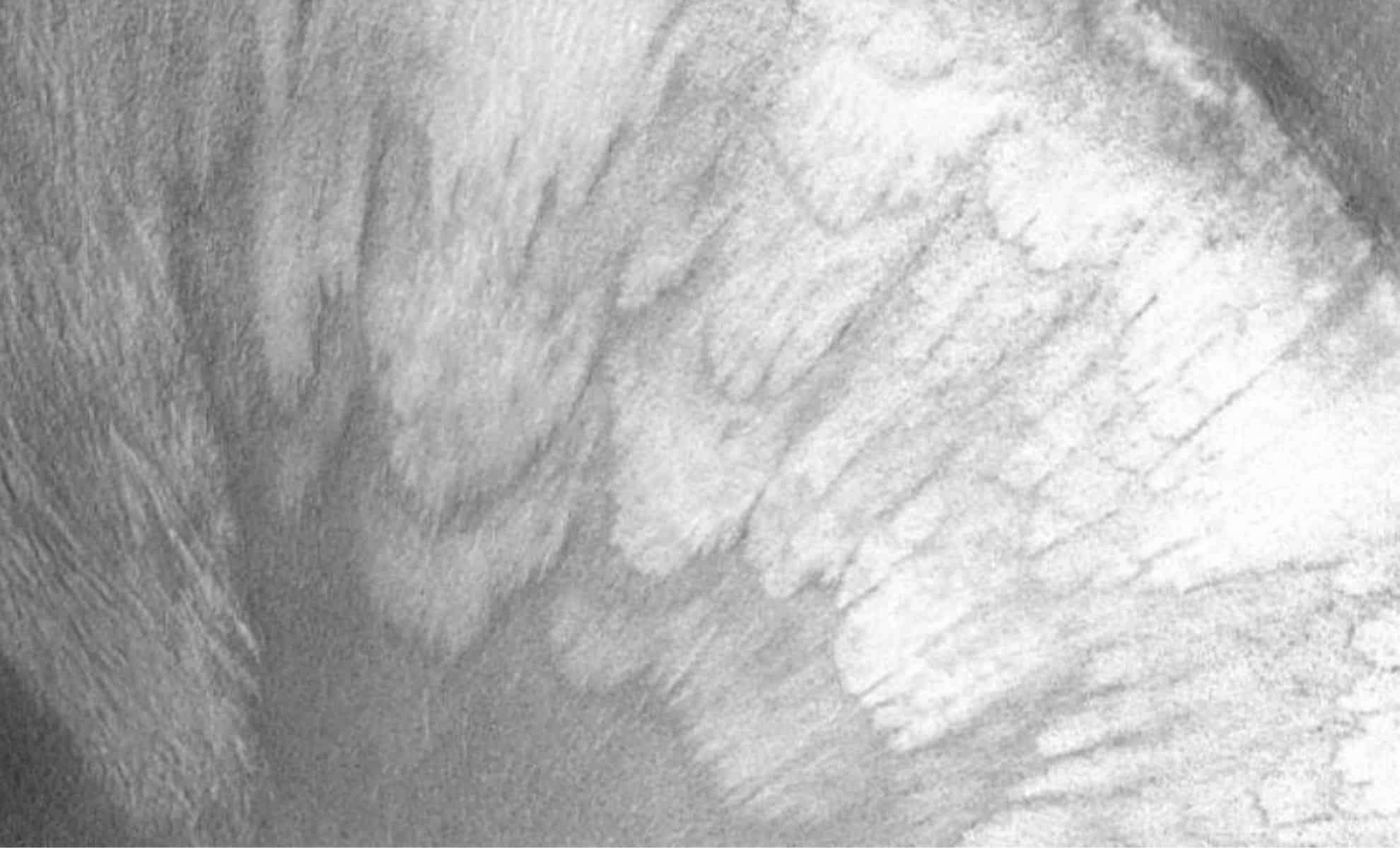
A recent scientific breakthrough has identified that Mars' terrain closely mirrors some of Earth's coldest environments. Reported in Icarus, research led by the University of Rochester uncovers wave-shaped soil formations on Mars that strongly resemble those in Earth's icy regions. These observations deepen our understanding of Mars’ climatic evolution and its possible capacity to have supported life.
Martian Soil Patterns Mirror Earth's Frozen Landscapes
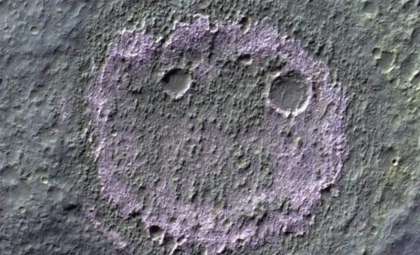
The investigation involved analyzing detailed satellite imagery of Martian craters, comparing them to Earth's solifluction lobes found in polar areas like the Arctic and mountainous zones such as the Rockies. These wave-like structures arise from cycles of freezing and thawing and display remarkable consistency between the two planets.
"These formations," explains Rachel Glade, co-author of the paper, "are expansive, slowly shifting granular patterns similar to everyday fluid dynamics, like paint dripping down a surface."

What differentiates Mars’ patterns is their scale. Glade notes, "On average, Martian lobes rise about 2.6 times higher than those on Earth," a difference attributed to Mars’ weaker gravitational pull, allowing these features to grow larger before collapsing.
Insights into Mars’ Ancient Climate
Researchers propose that the Martian lobes likely formed through freeze-thaw processes, yet on Mars, sublimation—where ice converts straight to vapor—likely drove these changes instead of liquid water thawing. This finding offers clues about Mars’ climate history, pointing toward past icy conditions that may have influenced its surface.
“Understanding the formation of these patterns provides key information about Mars’ historic climate, particularly the presence of cycles involving freezing and thawing,” states JohnPaul Sleiman, lead author and doctoral researcher at the University of Rochester.
Although further investigation is required to establish whether these features are recent or ancient, the study enhances knowledge of the planet's climatic development.
Implications for Life on the Red Planet
The revelation of Earth-like geological features on Mars carries significant consequences for assessing the planet's past environment and its potential to have hosted life. These findings suggest that Mars experienced natural processes resembling those on Earth, which may have formed favorable conditions for life forms. The presence of solifluction lobes—wave-shaped landforms produced by freeze-thaw activity—indicates that Mars once faced icy environments with possible water or ice-sublimation mechanisms suitable for sustaining microbial organisms.
As JohnPaul Sleiman remarks, “This work helps us pinpoint indicators of past or current habitable conditions on other worlds, advancing our search for life.” By analyzing these patterns, scientists infer that Mars may have held environments similar to Earth’s cold, alpine regions—places often regarded as hospitable for microorganisms.
- Categories:
- News






0 comments
Sign in to Comment